Kid Boots
1926
No user ratings available yet
Diversity score: 1.5 out of 10
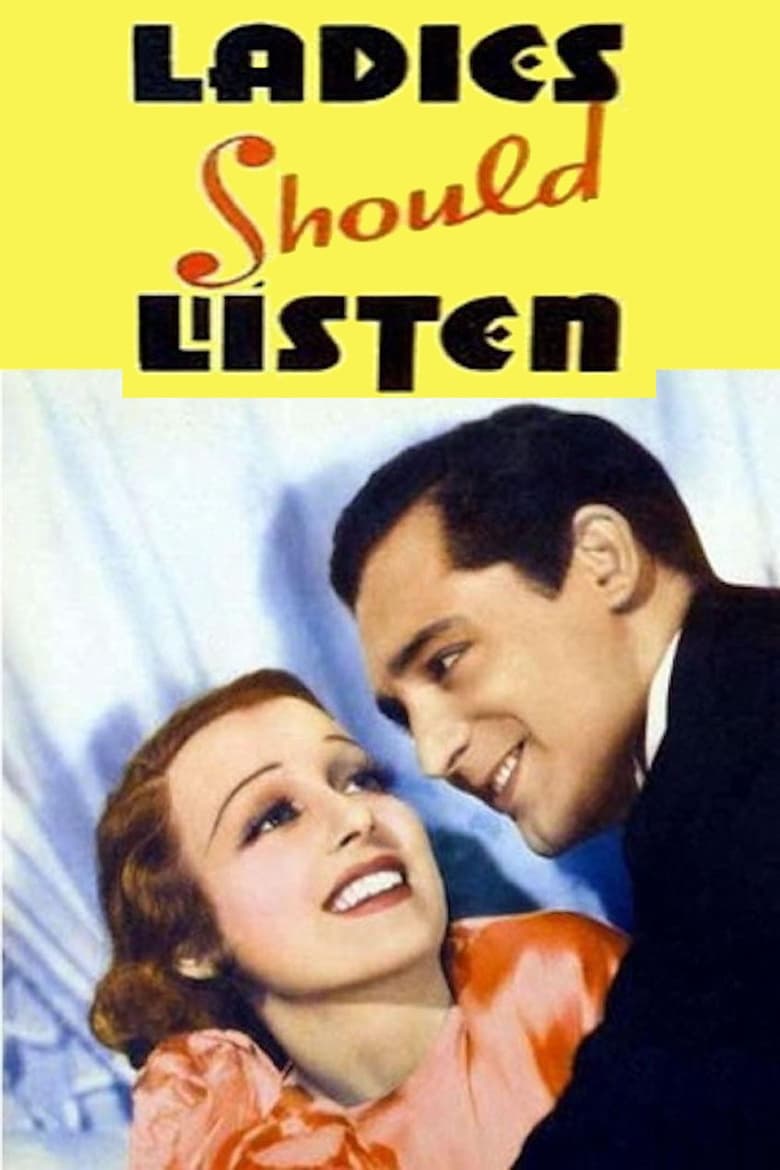
1934
NRDirector
Frank Tuttle
Runtime
62 minutes
Average Rating
No ratings yetSynopsis
The switchboard operator in an apartment building falls in love with a businessman who lives in the building, whom she has gotten to know only over the phone. When she discovers that the man's current girlfriend is actually part of a scheme to swindle him out of some mineral rights he owns, she devises a plot to save him and expose the con artists.
Overall Score
Limited
Category Breakdown
LGBTQ+ Representation
The film lacks LGBTQ+ characters or non-cisnormative identities. The romantic plot remains strictly within the heteronormative binary common to 1930s comedies.
Gender Representation
The female lead subverts traditional hierarchies by using wit and strategic deception to navigate high society. She acts as the primary driver of the plot through intellectual agency.
Racial & Ethnic Diversity
The cast and setting depict a homogeneous group of white, upper-class urbanites. There is no significant racial or ethnic diversity within the central narrative arc.
Religious & Cultural Diversity
The story explores moral relativism by framing social deception as a tool for empowerment. However, it remains rooted in the socioeconomic structures of its era.
Disability Representation
There is no representation of physical, sensory, or neurodivergent identities. The character roster does not include characters with disabilities.
Strengths
Areas for Improvement
AI Analysis
Ladies Should Listen is a period-specific romantic comedy that finds its strength in its protagonist's agency. The female lead avoids the passive tropes of the era, instead using cunning and intellect to manipulate her environment and protect her romantic interest. This provides a refreshing subversion of gendered expectations for 1934. However, the film's scope is extremely narrow. It focuses almost exclusively on a homogeneous, white, upper-class demographic, leaving virtually no room for racial, ethnic, or LGBTQ+ representation. The lack of intersectional depth prevents the film from engaging with a broader social spectrum. Ultimately, while the film offers a progressive take on female intellect, it remains a product of its time, confined by the social constraints and demographic homogeneity of the early studio system.
1926
1932
1939
1933
1934
1939
1934

1937
1941

1941

1933
1932
No reviews yet. Be the first to share your thoughts on this movie!
Use the rating form above to leave a star rating and optional review.