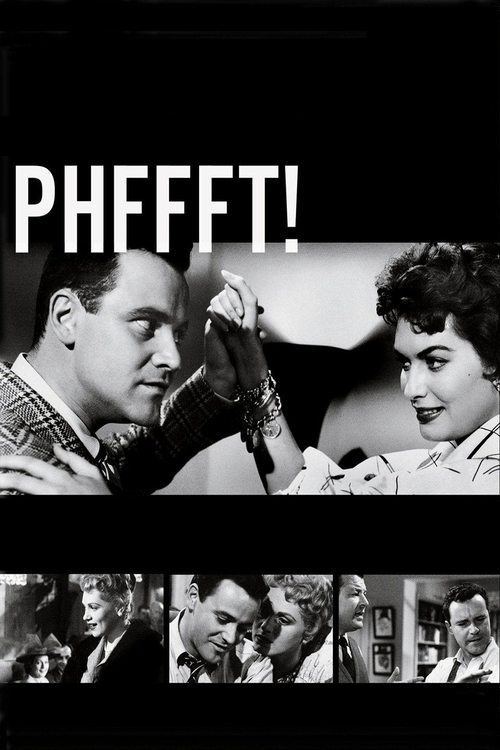
Phffft
1954
No user ratings available yet
Representation score: 0.4 out of 10
Representation Score
Minimal
1931
PassedDirector
William A. Seiter
Runtime
63 minutes
Average Rating
No ratings yetNew Showbiz Analysis
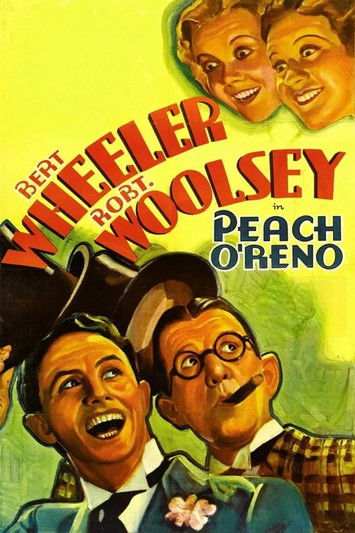
Peach-o-Reno is a domestic comedy that explores the breakdown of a long-term marriage. While it engages with the shifting social mores of the early 1930s regarding divorce and legal autonomy, the scope remains narrow. The film offers some progressive movement by depicting women's ability to drive the story through Aggie's decision to leave her marriage, which disrupts the cliché of the submissive wife. However, the narrative remains rooted in a conventional family structure. Ultimately, the film reflects the homogeneous casting and social standards of its era, lacking multi-layered complexity.
Category Breakdown
The film focuses solely on heterosexual marital conflicts. There are no representations of LGBTQ+ identities or critiques of heterosexuality.
Aggie demonstrates a significant role in driving the story by choosing divorce, challenging traditional domestic hierarchies. However, it is unclear if female characters truly drive the plot or follow male-led legal decisions.
The story centers on a standard Western domestic dispute. There is no evidence of a diverse cast or any subversion of Anglo-centric casting norms.
By centering on divorce and the secular legal processes of Reno, the film departs from traditionalist depictions of family stability. It prioritizes legal autonomy over religious morality.
The narrative contains no mention of characters with visible or invisible disabilities. There is no indication of how neurodivergence or physical health is addressed.
Present on Screen
Limited or Absent
Official Synopsis
After a quarrel at their 25th wedding anniversary, Joe and Aggie Bruno decide to divorce each other, and both leave for Reno. So do their daughters Prudence and Pansy, but they want to get their parents back together. Joe and Aggie, accidentally, are becoming clients at the same law-firm, Wattles and Swift, which is the biggest and most successful in town.
1954
1938
1941
1963

1932
1942
1929
1937
No reviews yet. Be the first to share your thoughts on this movie!
Use the rating form above to leave a star rating and optional review.