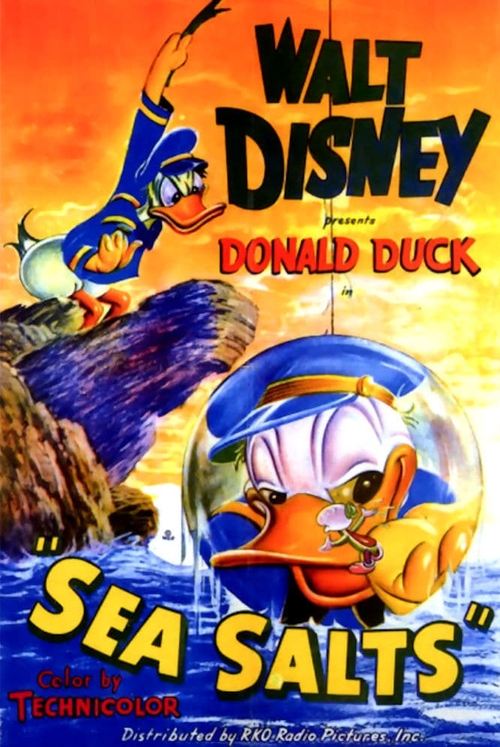
Sea Salts
1949
No user ratings available yet
Diversity score: 3.2 out of 10
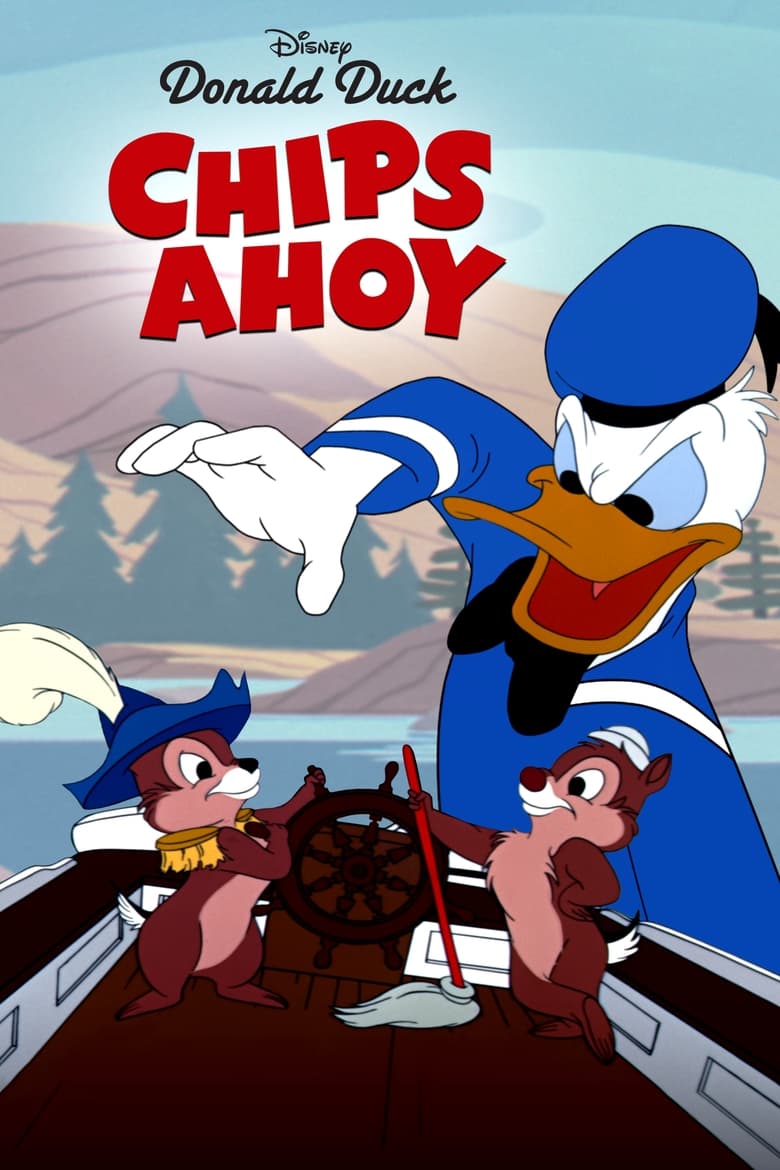
1956
NRDirector
Jack Kinney
Runtime
6 minutes
Average Rating
No ratings yetSynopsis
Chip and Dale are starving in their tree home when they notice a plentiful supply of acorns on an island in a lake. To get to the island, they borrow a miniature model ship of Donald's to sail on. The irate Donald, however, doesn't appreciate them stealing his ship and makes several attempts to get it back and thwart their scheme to get to their acorn paradise. Chip and Dale are, of course, always one step ahead of Donald.
Overall Score
Minimal
Category Breakdown
LGBTQ+ Representation
The narrative focuses entirely on a resource-driven conflict between Chip, Dale, and Donald Duck. There is no presence of non-heteronormative identities or same-sex intimacy.
Gender Representation
The cast consists solely of anthropomorphic male characters. The film lacks female characters and relies on competitive male aggression and slapstick rivalry.
Racial & Ethnic Diversity
Set in a naturalistic forest and lake, the characters are animal archetypes. They lack explicit racial or ethnic signifiers, reflecting a homogeneous character set.
Religious & Cultural Diversity
The story follows a basic survivalist premise centered on food. It avoids complex ideological frameworks or critiques of Western institutions and religion.
Disability Representation
There is no evidence of characters with visible or invisible disabilities. Physical movements are driven by slapstick requirements rather than representing neurodivergence or impairment.
Strengths
Areas for Improvement
AI Analysis
This animated short is a product of its era, functioning as a standard comedic vignette. The narrative architecture is built upon traditional slapstick conflict and does not attempt to address identity-based themes or disrupt social expectations. The film relies on character-driven physical humor rather than social or cultural commentary. Because the cast is limited to established animal archetypes, the work lacks any intentional intersectional casting or subversion of mid-century tropes. Ultimately, the lack of representation is a reflection of the period's animation standards, focusing on localized, transactional conflicts rather than exploring systemic power dynamics or diverse human experiences.
1949
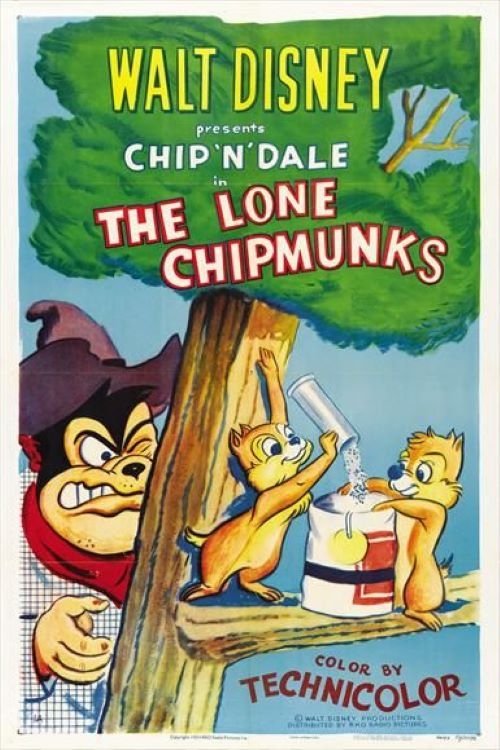
1954
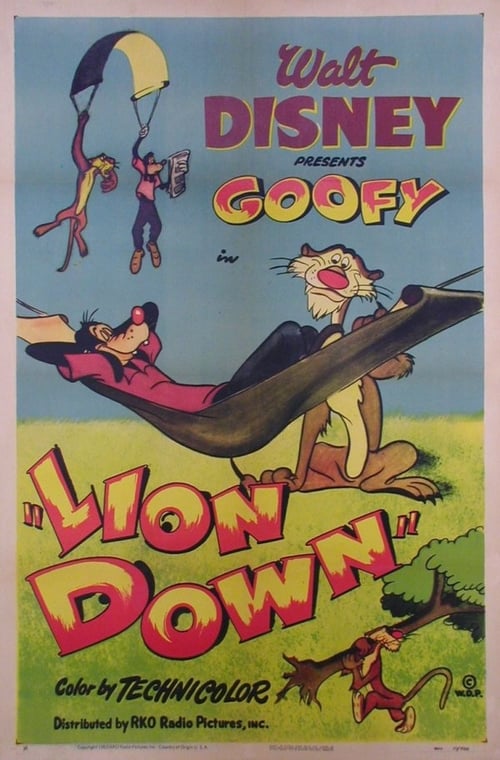
1951
1950
No reviews yet. Be the first to share your thoughts on this movie!
Use the rating form above to leave a star rating and optional review.