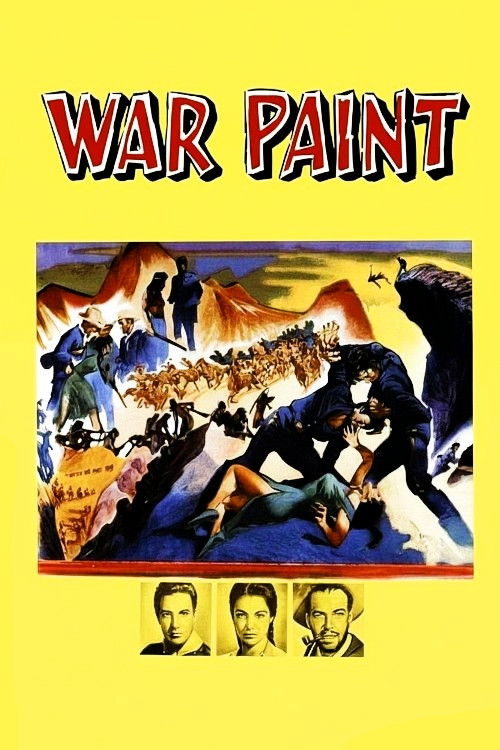
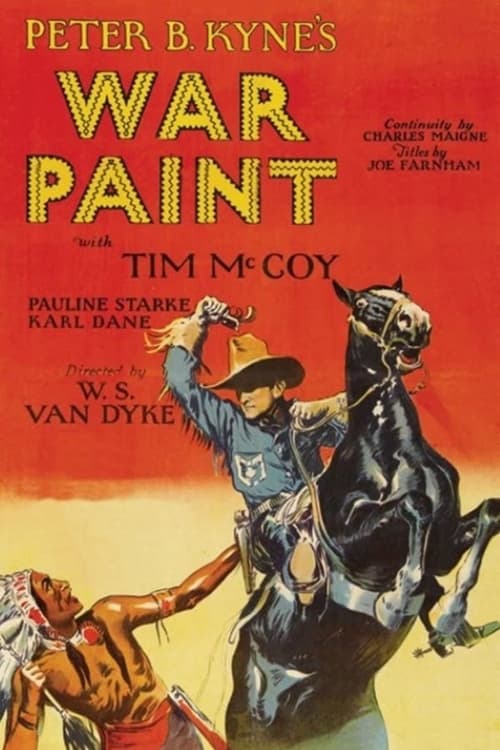
War Paint
1953
No user ratings available yet
Representation score: 1.0 out of 10
Representation Score
Minimal
1926
PassedDirector
W.S. Van Dyke
Runtime
60 minutes
Average Rating
No ratings yetNew Showbiz Analysis
War Paint is a classic example of early Hollywood cinema, adhering closely to the social norms and filmmaking standards of the 1920s. It fails to provide meaningful opportunities for underrepresented groups, instead relying on well-established Western genre conventions. One of the film's biggest shortcomings is its approach to racial representation. By using white actors to play Indigenous roles, the film perpetuates outdated casting practices rather than striving for authenticity. Overall, the film upholds the status quo of its era, lacking depth in addressing diverse identities and failing to challenge traditional gender roles or cultural norms.
Category Breakdown
The film does not include any representation of LGBTQ+ identities. The story follows typical romantic themes from the 1920s, focusing on traditional heterosexual relationships.
Female characters play key roles in the romantic storyline but remain confined within the conventions of silent-era filmmaking. The film does not challenge traditional ideas of masculinity or the dominance of men.
The film casts white actors in roles meant for Indigenous characters, reinforcing outdated casting practices. This approach fails to provide authentic representation of Arapahoe characters.
The story upholds the traditional Western frontier myth and the social order of the time. It reflects the cultural and moral norms of the 1920s.
The film does not feature any characters with visible or invisible disabilities. There is also no representation of neurodivergent individuals.
Present on Screen
Limited or Absent
Official Synopsis
An Indian chief of the Arapahoe escapes the reservation where he has been living and takes along some of his warriors. The cavalry is sent out for them.
1953
1954

1966
1966
1951
1964
1955
1960
No reviews yet. Be the first to share your thoughts on this movie!
Use the rating form above to leave a star rating and optional review.