
Dude Duck
1951
No user ratings available yet
Diversity score: 2.2 out of 10
1945
NRDirector
Jack Kinney
Runtime
8 minutes
Average Rating
No ratings yetSynopsis
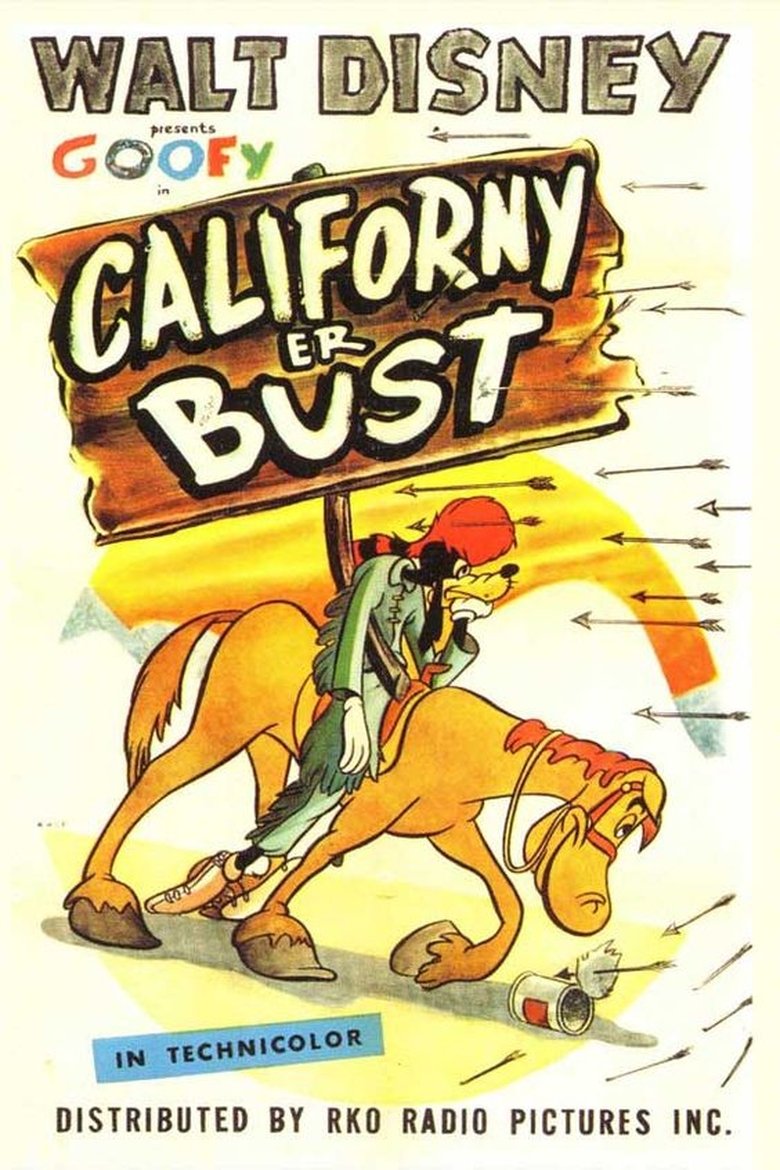
A narrator tells the story of how the Western pioneers (all being Goofy lookalikes) are travelling in covered wagons across the frontier. They run into some Indians (who are also Goofy lookalikes) and battle breaks out between them. Suddenly a tornado comes by and sweeps up the covered wagons, dropping them into various states such as "Wash", "Organ", and "Californy."
Overall Score
Limited
Category Breakdown
LGBTQ+ Representation
The film operates within a traditional heteronormative framework. There are no depictions of non-cisnormative identities or same-sex intimacy.
Gender Representation
The narrative centers on masculine-coded conflict between pioneers and Indigenous groups. It lacks female agency or any subversion of mid-century gender hierarchies.
Racial & Ethnic Diversity
Indigenous characters function as a collective comedic foil rather than nuanced subjects. The use of character lookalikes for different races suggests a reliance on historical caricatures.
Religious & Cultural Diversity
The story adheres to a traditional Western frontier mythos. It utilizes the Wild West setting for slapstick rather than offering any cultural critique.
Disability Representation
The film provides no specific details regarding characters with physical or neurodivergent disabilities.
Strengths
Areas for Improvement
AI Analysis
This animated short prioritizes gag-driven slapstick and archetypal conflict over nuanced character development. By using a repetitive 'lookalike' aesthetic for both pioneers and Indigenous characters, the film emphasizes visual uniformity and physical comedy over identity-specific storytelling. The narrative structure reinforces mid-century social constraints, focusing on frontier battles and environmental chaos. It relies heavily on established Western tropes and historical caricatures common to the 1940s animation era. Ultimately, the film lacks intersectional representation or any attempt to disrupt traditional social hierarchies, functioning instead as a product of its specific historical period.
1951
1934
1949
1966
1954
1953
1945
1941
1952
1950
1947
1942
No reviews yet. Be the first to share your thoughts on this movie!
Use the rating form above to leave a star rating and optional review.