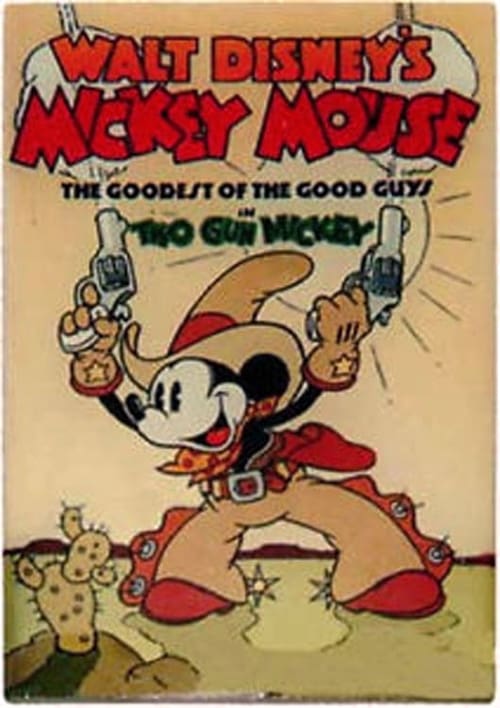
Two-Gun Mickey
1934
No user ratings available yet
Diversity score: 1.8 out of 10
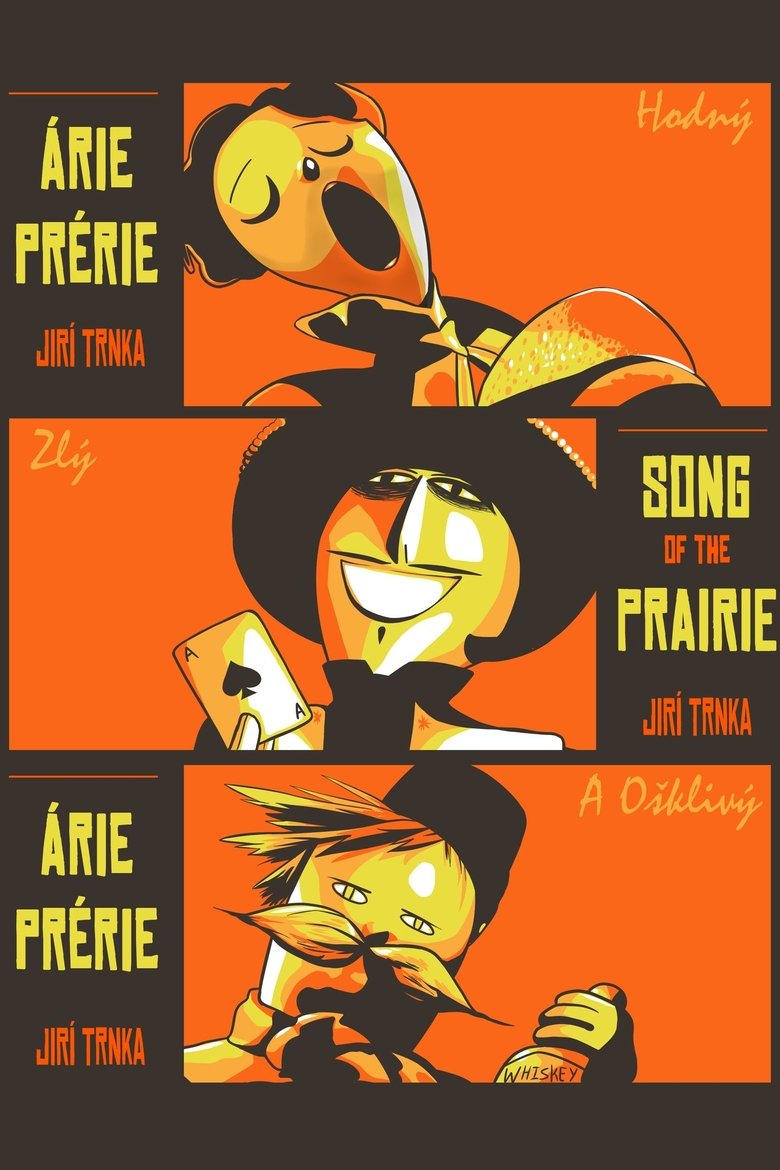
1949
Director
Jiří Trnka
Runtime
23 minutes
Average Rating
No ratings yetSynopsis
An animated singing western short in which a cowboy takes on the villain to save his beloved.
Overall Score
Minimal
Category Breakdown
LGBTQ+ Representation
The film contains no depictions of gender identity or sexual orientation. The focus on environmental and seasonal shifts precludes any queer-coded subtext or character-driven identity politics.
Gender Representation
The narrative avoids human social hierarchies entirely. By centering on the natural landscape, the film bypasses traditional gendered power dynamics and masculinity or femininity.
Racial & Ethnic Diversity
Stylized, folkloric animation focuses on the landscape rather than people. There are no human or anthropomorphic figures present to represent specific racial or ethnic identities.
Religious & Cultural Diversity
The film presents a pastoral view prioritizing nature over human institutions. It avoids engagement with social or political structures like religion or the family unit.
Disability Representation
There are no characters or entities depicted with physical, sensory, or neurodivergent traits. The focus on environmental metamorphosis offers no platform for disability representation.
Strengths
Areas for Improvement
AI Analysis
Jiří Trnka’s short is a lyrical exploration of natural cycles rather than a vehicle for social commentary. It functions as a technical exercise in animation, focusing on the rhythms of the environment. Because the work lacks human agency and identity-driven conflict, it exists outside the realm of social dynamics. The absence of human characters makes most diversity metrics inapplicable to this specific piece. Ultimately, the film is a neutral, aesthetic work. It does not actively subvert or reinforce social hierarchies because it avoids human societal frameworks altogether.
1934

1951
1945

1965
1963
1966
No reviews yet. Be the first to share your thoughts on this movie!
Use the rating form above to leave a star rating and optional review.