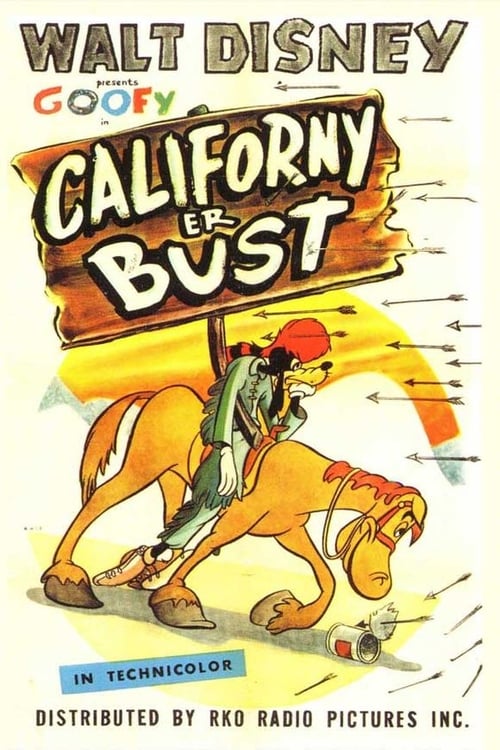
Californy 'Er Bust
1945
No user ratings available yet
Diversity score: 2.3 out of 10
1951
NRDirector
Jack Hannah
Runtime
8 minutes
Average Rating
No ratings yetSynopsis
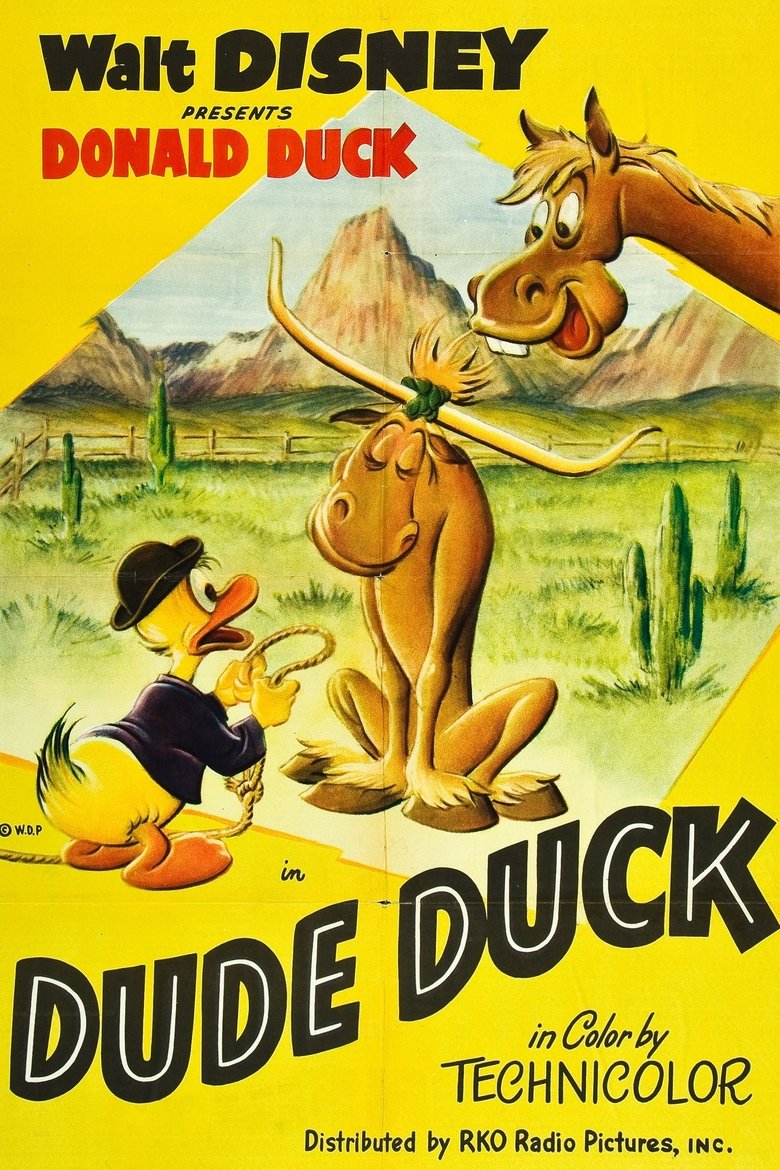
Donald is vacationing at a dude ranch. After all the beautiful women pick the best horses, Donald ends up with the sad sack Rover Boy. But Rover Boy wants nothing to do with Donald.
Overall Score
Limited
Category Breakdown
LGBTQ+ Representation
The film focuses on heterosexual romantic competition involving women selecting horses. There is no evidence of non-cisnormative identities or critiques of heteronormativity.
Gender Representation
Traditional gender roles define the narrative architecture. Women act as selectors, while the male protagonist navigates a social hierarchy of seeking and losing.
Racial & Ethnic Diversity
The Western setting and 1951 release date suggest adherence to the homogeneous demographic norms of mid-century animation. No non-white characters are identified.
Religious & Cultural Diversity
The story operates within the Western genre, emphasizing rugged individualism. It lacks any critique of Western institutions or promotion of moral relativism.
Disability Representation
There is no discernible evidence regarding the portrayal of physical or neurodivergent disabilities in this work.
Strengths
Areas for Improvement
AI Analysis
Dude Duck is a product of its 1951 temporal context, utilizing standard comedic tropes that reinforce traditional social and gender hierarchies. The narrative follows a conventional structure centered on romantic competition and social standing. The film aligns with the conservative storytelling standards of the early 1950s animation industry. It lacks intentional efforts to disrupt conventional expectations or provide intersectional depth. Ultimately, the work functions as a standard genre piece that reflects the era's mainstream social hierarchies rather than subverting them.
1945
1934

1965
1966
1948
1953
1949
1950
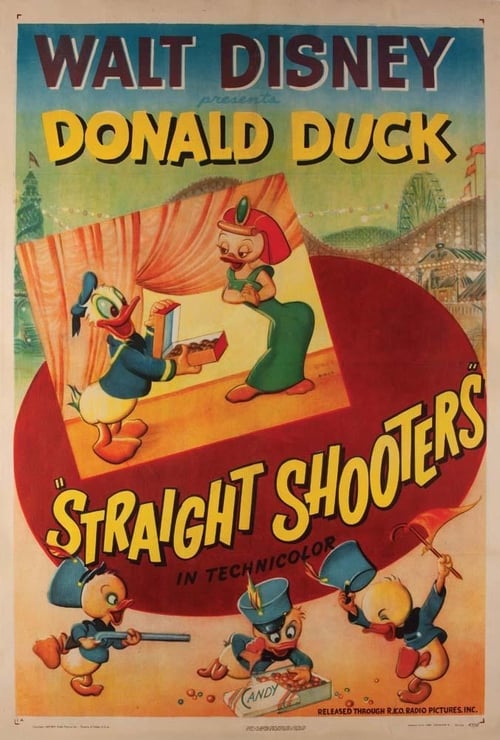
1947
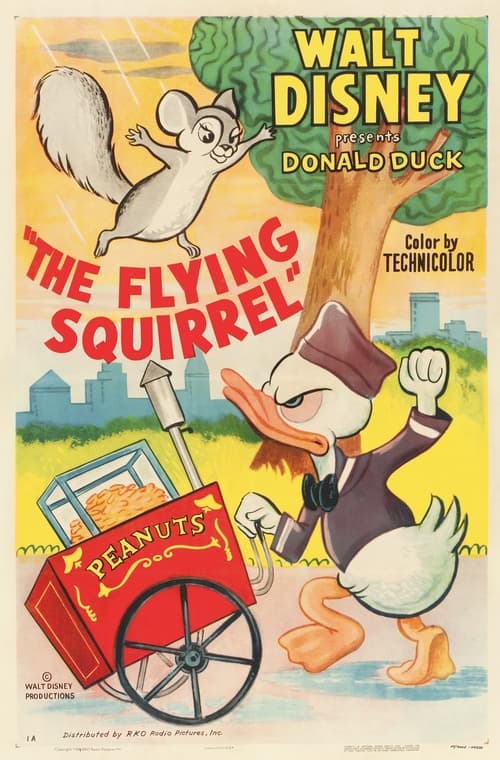
1954
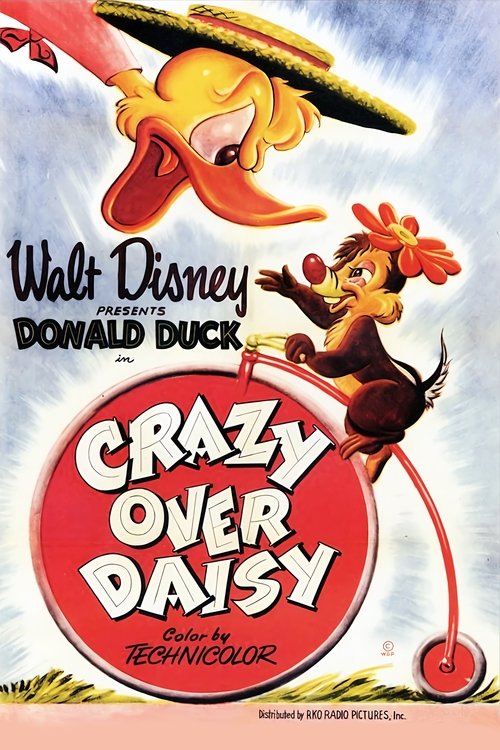
1950
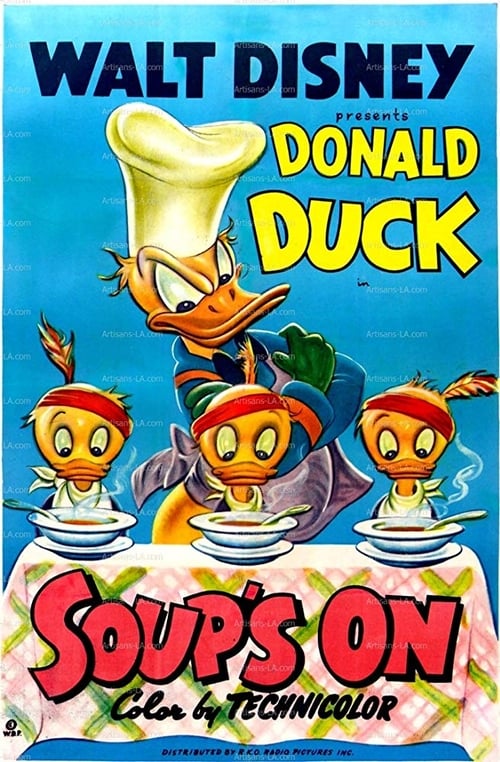
1948
No reviews yet. Be the first to share your thoughts on this movie!
Use the rating form above to leave a star rating and optional review.