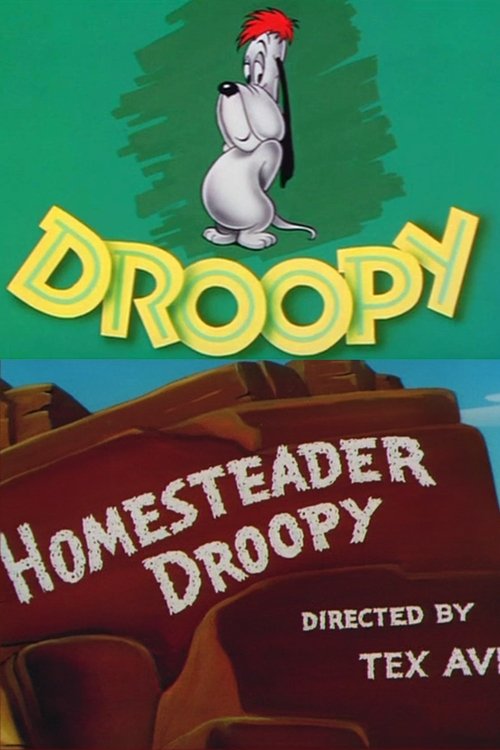
Homesteader Droopy
1954
No user ratings available yet
Representation score: 0.7 out of 10
Representation Score
Minimal
1934
NRDirector
Ben Sharpsteen
Runtime
8 minutes
Average Rating
No ratings yetNew Showbiz Analysis
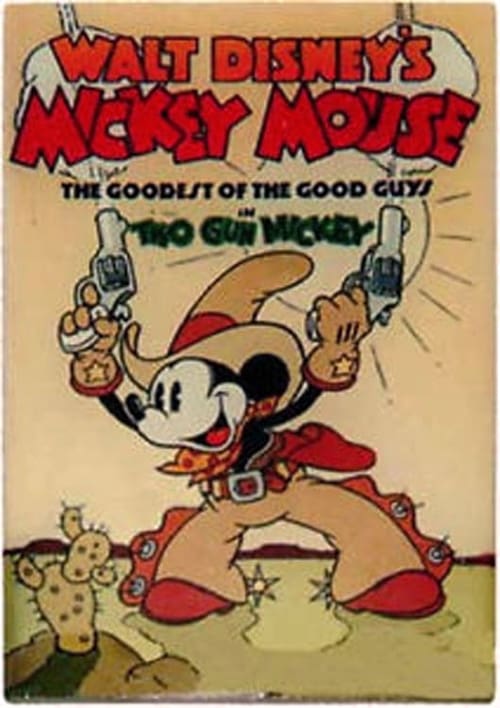
Two-Gun Mickey is a product of its time, functioning as a typical Western genre piece that upholds established social hierarchies. While Minnie starts with a degree of independence, the narrative quickly shifts back to traditional gender roles by requiring a male hero to solve the conflict. The film's world is culturally and racially uniform, adhering to the Anglo-centric frontier clichés common in 1930s American animation. It lacks any meaningful representation of LGBTQ+ identities or nuanced portrayals of disability, using traits like Pegleg Pete's wooden leg simply as character shorthand. Overall, the film prioritizes traditional morality and the restoration of social order through individualist heroism, offering little challenge to the status quo.
Category Breakdown
The film does not include any representation of LGBTQ+ identities or non-straight characters. The story operates within a framework that assumes everyone is straight and cisgender.
Minnie initially shows some independence by carrying money and being capable. However, the plot requires Mickey to step in and save her, reinforcing traditional gender roles where men are expected to protect women.
The film's setting is homogeneous and focuses on an Anglo-centric frontier. There is no indication of racial blending or diverse casting.
The narrative centers on traditional Western themes and individualist heroism, supporting the maintenance of social order without challenging Western institutions.
Pegleg Pete's wooden leg is used as a standard trait for an outlaw character, serving as a simple visual identifier rather than a nuanced depiction of a physical impairment.
Present on Screen
Limited or Absent
Official Synopsis
Minnie rides into town and takes a large sack of money out of the bank. Pegleg Pete gathers his gang to take it from her, and they chase her out of town. Lonesome cowboy Mickey, who met Minnie earlier and was told she could take care of herself, sees this chase unfolding from his high perch, and rides down to save the day.
1954

1951
1953
1951
1944
1942
1935

1930
No reviews yet. Be the first to share your thoughts on this movie!
Use the rating form above to leave a star rating and optional review.