Moolaadé
2004
No user ratings available yet
Representation score: 5.0 out of 10
Representation Score
Fair
2014
UnratedDirector
Zeresenay Mehari
Runtime
96 minutes
Average Rating
No ratings yetNew Showbiz Analysis
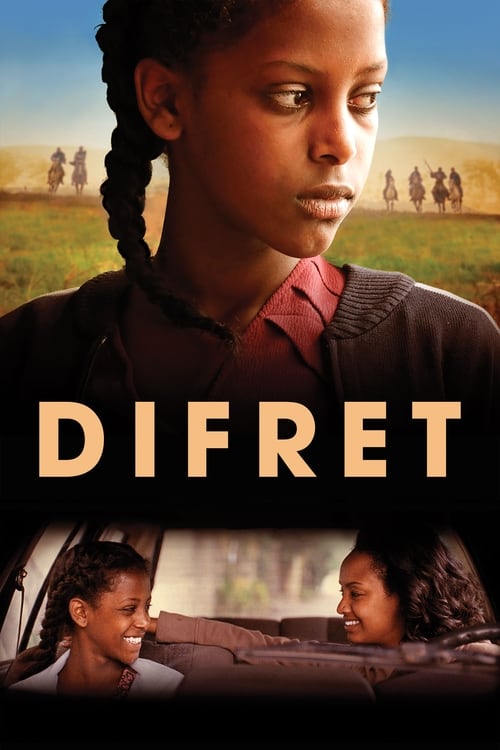
Difret is a progressive drama that centers on the intellectual and physical ability to act of its female protagonists. By focusing on the intersection of individual rights and systemic legal structures, the film avoids common clichés of passive victimhood. The film excels in its authentic Ethiopian setting and its refusal to rely on external savior narratives. It provides a sophisticated critique of how traditional institutions can obstruct human rights and individual autonomy. While the film lacks LGBTQ+ or disability representation, its core strength lies in its powerful deconstruction of patriarchal social contracts and its commitment to socially conscious storytelling.
Category Breakdown
The film addresses a struggle against forced marriages and patriarchal traditions but does not include explicit LGBTQ+ characters or non-assuming gender matches what was assigned at birth identities.
The narrative centers on women who play a significant role in driving the story, such as Hirut who physically resists her abduction and Meaza who uses legal authority to challenge systemic issues.
The film offers an authentic Ethiopian perspective that avoids Western-centric 'white savior' clichés through specific cultural casting.
The story critiques how customary laws can be oppressive tools. It examines the tension between modern legal reforms and ancestral customs regarding human rights.
There are no prominent depictions of physical or neurodivergent disabilities that significantly impact the narrative arc.
Present on Screen
Limited or Absent
Official Synopsis
Three hours outside of Addis Ababa, a bright 14-year-old girl is on her way home from school when men on horses swoop in and kidnap her. The brave Hirut grabs a rifle and tries to escape, but ends up shooting her would-be husband. In her village the practice of abduction into marriage is common and one of Ethiopia’s oldest traditions. Meaza Ashenafi, an empowered and tenacious young lawyer, arrives from the city to represent Hirut and argue that she acted in self defense. Meaza boldly embarks on a collision course between enforcing civil authority and abiding by customary law, risking the ongoing work of her women’s legal aid practice to save Hirut’s life.
2004

2014
2014

2019
2020
2017
2020

2010
No reviews yet. Be the first to share your thoughts on this movie!
Use the rating form above to leave a star rating and optional review.