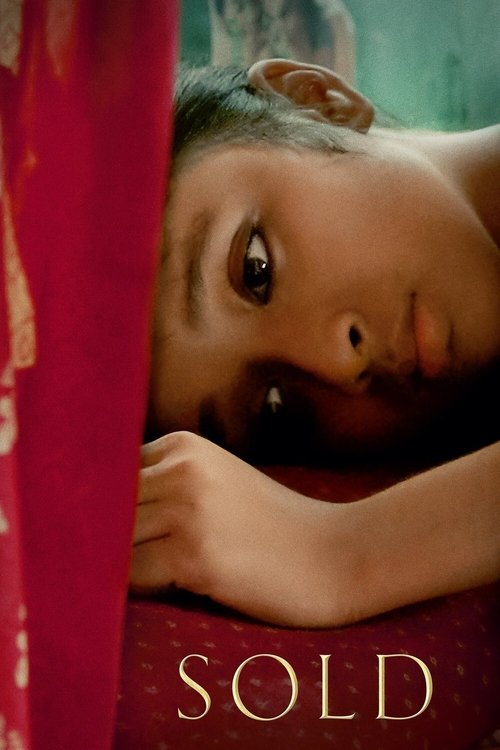
Sold
2016
No user ratings available yet
Representation score: 8.2 out of 10
Representation Score
Fair
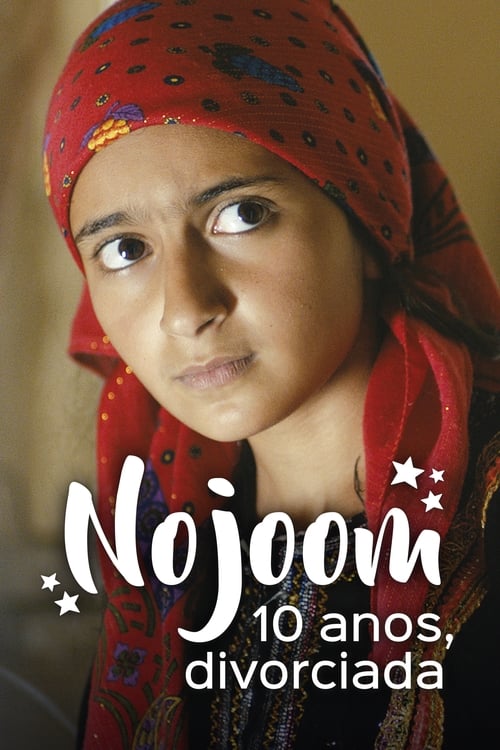
2014
Director
Khadija Al-Salami
Runtime
96 minutes
Average Rating
No ratings yetNew Showbiz Analysis
The film disrupts patriarchal and tribal hierarchies by highlighting the lived experience of a child. It challenges established customs through the lens of individual ability to act. The narrative structure emphasizes the tension between institutionalized law and personal autonomy. It portrays the pursuit of legal rights as a necessary rebellion against corrupt social structures. While the film excels in critiquing gender and cultural issues, it lacks representation for LGBTQ+ identities and disability, focusing strictly on the issue of child marriage.
Category Breakdown
The film does not include any LGBTQ+ characters or themes. It focuses solely on the gendered power dynamics of heterosexual child marriage.
The film challenges traditional gender roles by centering a young female protagonist. She drives the plot by seeking legal recourse against oppressive male authority figures.
The documentary provides an authentic look into Yemeni culture. It avoids a Western perspective by focusing on a non-Anglo-Saxon subject with strong narrative influence.
The narrative criticizes religious and tribal institutions that enable systemic harm. It emphasizes individual human rights over adherence to oppressive traditional customs.
There are no depictions of physical or neurodivergent disabilities in the film.
Present on Screen
Limited or Absent
Official Synopsis
Ten-year-old Nojoom was forced to marry a 30-year-old man. The dowry offered the family a small income and 'one less mouth to feed'. Nojoom discovers that her life will take a turn for the worse. Her husband is indifferent to her age. Every day after she is wedded, the child works under harsh conditions and every night, the child-bride is raped by a man 20 years older than her. A legitimate and acceptable arrangement for all, except for Nojoom.
2016
2004
2012
1994
2016
2016
2015
2017
No reviews yet. Be the first to share your thoughts on this movie!
Use the rating form above to leave a star rating and optional review.