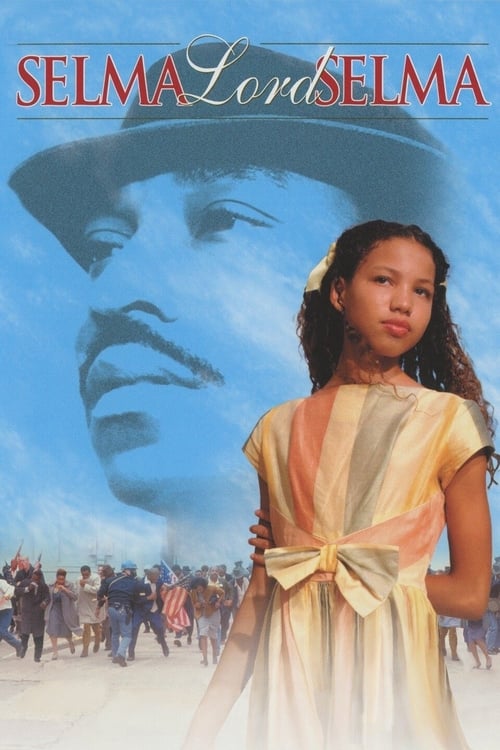
Selma, Lord, Selma
1999
No user ratings available yet
Representation score: 5.6 out of 10
Representation Score
Fair
1993
Director
Eric Laneuville
Runtime
101 minutes
Average Rating
No ratings yetNew Showbiz Analysis
The film is a powerful study of racial ability to act, successfully disrupting traditional historical clichés by centering Black protagonists. It provides a sophisticated critique of systemic oppression through the lens of the Little Rock Nine. However, the narrative is limited by its period-specific focus, resulting in a lack of LGBTQ+ representation. The gender balance also leans toward the male experience of the era's leadership structures. Ultimately, the film's strength lies in its cultural depth and its ability to portray the Black community as a source of moral and communal authority against a corrupt state.
Category Breakdown
The film focuses on the historical realities of the 1950s Civil Rights Movement and does not include any LGBTQ+ characters or non-straight relationships.
The plot centers on male students, but Black women are shown as key figures in the community, providing significant emotional support and ability to act.
The film centers the Black experience and provides high ability to act to the Little Rock Nine, avoiding the white savior cliché with a predominantly Black cast.
The narrative highlights the moral authority of the Black church and non-violent resistance, critiquing Southern legal structures as oppressive.
There are no prominent depictions of physical or neurodivergent disabilities that serve as central narrative drivers within this biographical context.
Present on Screen
Limited or Absent
Official Synopsis
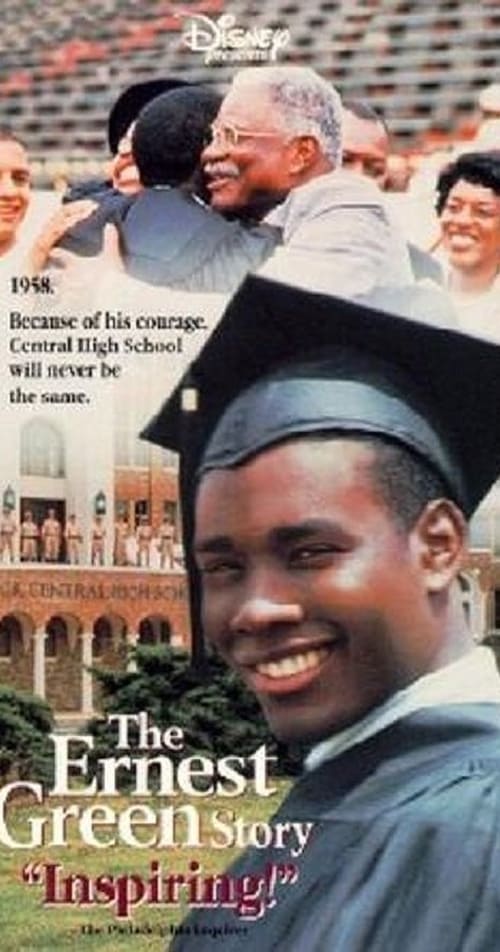
Follows the story of Ernest Green, one of the Little Rock Nine who were the first blacks to integrate into an all white school.
1999
1990

1999
1996
2000

2010
1988

2019
No reviews yet. Be the first to share your thoughts on this movie!
Use the rating form above to leave a star rating and optional review.