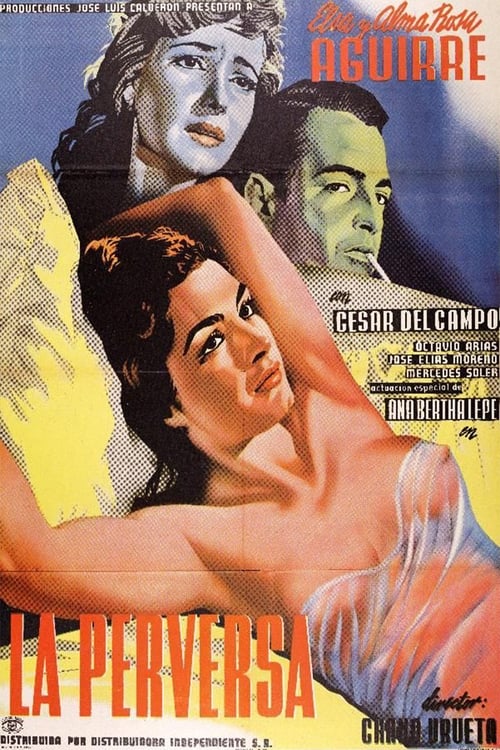
La perversa
1954
No user ratings available yet
Representation score: 1.7 out of 10
Representation Score
Minimal
1955
Director
Chano Urueta
Runtime
105 minutes
Average Rating
No ratings yetNew Showbiz Analysis
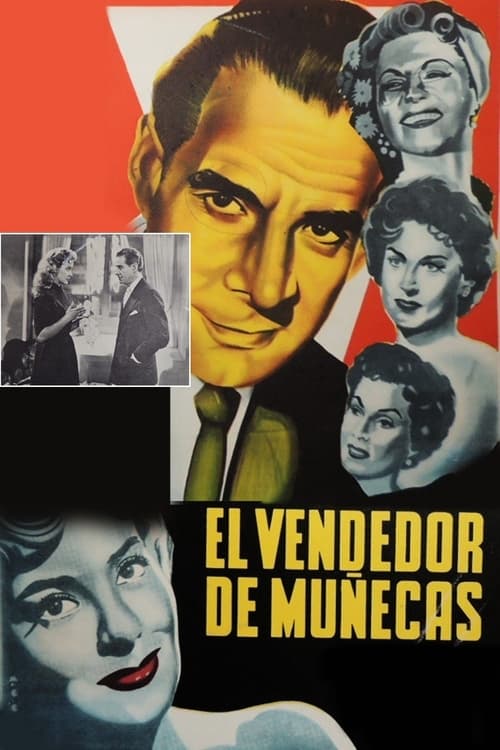
Chano Urueta’s film is a dark melodrama centered on the commodification of women. The narrative structure relies on a patriarchal figure who treats people as both aesthetic and economic objects. This creates a rigid hierarchy where female autonomy is nonexistent. While the film offers a glimpse into the social anxieties and class structures of mid-century Mexican cinema, it reinforces exploitative themes rather than challenging them. The 'doll' metaphor strips characters of their ability to act independently, focusing instead on the transactional nature of class mobility. Ultimately, the film emphasizes the male protagonist's control at the expense of the women he seeks to refine and sell.
Category Breakdown
The film centers on relationships that assume everyone is straight or cisgender. It doesn't include any characters who challenge traditional gender roles or question the status quo.
Women are shown as passive figures without much control over their lives. The male lead has total control, defining the women around him based on how useful they are to him.
This Mexican production provides insight into a non-Anglo-Saxon society. However, the story mainly focuses on class differences rather than racial dynamics.
The story explores moral ambiguity and the corruption of social institutions. It presents a cynical view of social climbing within a traditional framework.
There are no characters with physical or neurodivergent disabilities in the film.
Present on Screen
Limited or Absent
Official Synopsis
A man sells his wife, and takes care of street women turning them into ladies to sell to rich men.
1954

1956

2018
1961
1974
1969
1950
1949
No reviews yet. Be the first to share your thoughts on this movie!
Use the rating form above to leave a star rating and optional review.