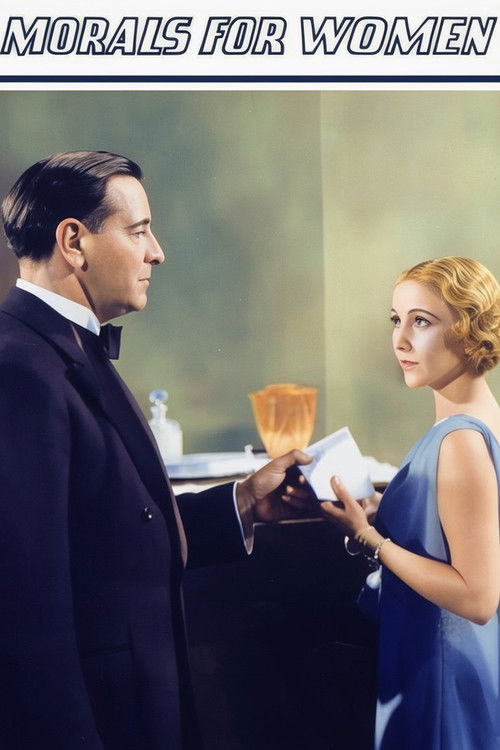
Morals for Women
1931
No user ratings available yet
Representation score: 3.3 out of 10
Representation Score
Limited
1925
NRDirector
Walter Lang, Dorothy Davenport
Runtime
77 minutes
Average Rating
No ratings yetNew Showbiz Analysis
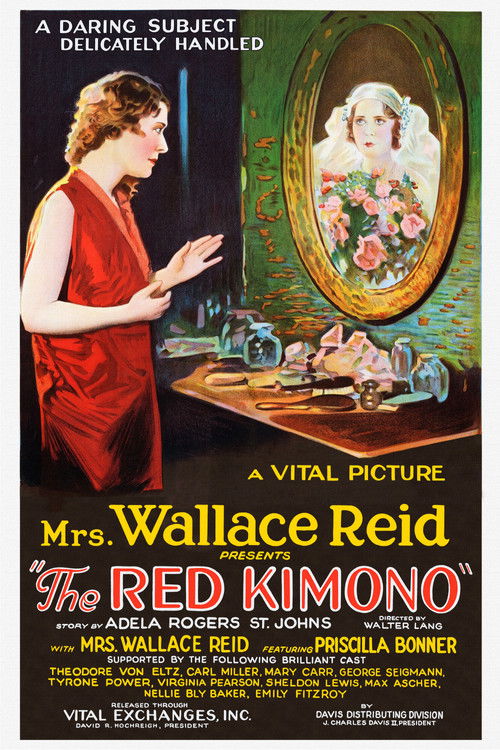
The Red Kimona distinguishes itself in the silent era by focusing on interracial dynamics and female empowerment. By highlighting a romance between a white woman and a Japanese man, it deviates from the typical Western-centric casting of the 1920s. However, the film is heavily influenced by the melodramatic conventions of its time. The narrative centers on moralistic outcomes and social taboos instead of critiquing the economic or cultural structures impacting the characters. While it avoids the complete absence of representation found in many contemporary films, it remains confined by traditionalist constraints that hinder a more modern, multi-layered perspective.
Category Breakdown
The film does not include any LGBTQ+ characters or themes. The main storyline revolves around a cross-cultural romantic tragedy.
The protagonist plays a significant role in driving the plot, but the story is still influenced by the era's focus on female social ruin.
The film breaks the era's homogeneity by featuring a romance between a white woman and a Japanese man. It addresses the complexities of interracial relationships.
The movie explores the tension between personal desires and cultural customs through a social melodrama. It does not provide a critical look at economic systems or moral relativism.
There are no characters with visible or invisible disabilities playing key roles in the plot.
Present on Screen
Limited or Absent
Official Synopsis
A woman is abandoned by her lover and prostitution is the only way she has to survive.
1931

1929
1935
1920
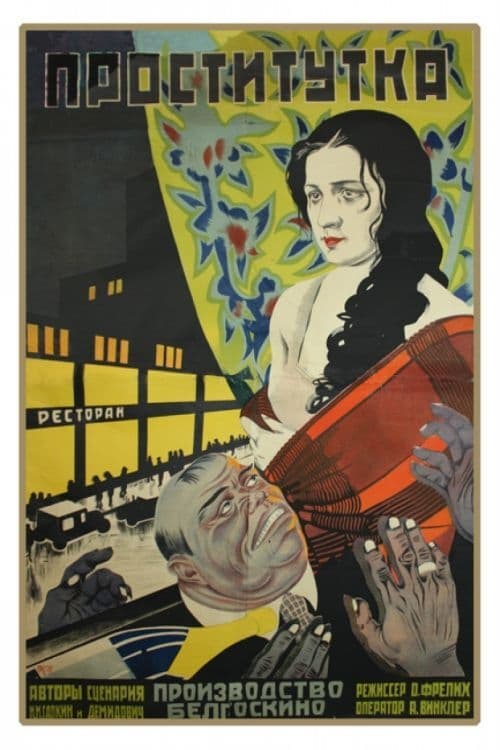
1927

1956
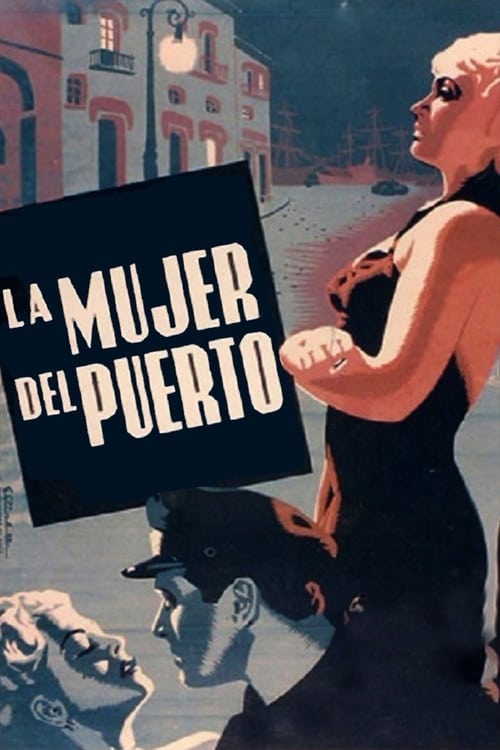
1949
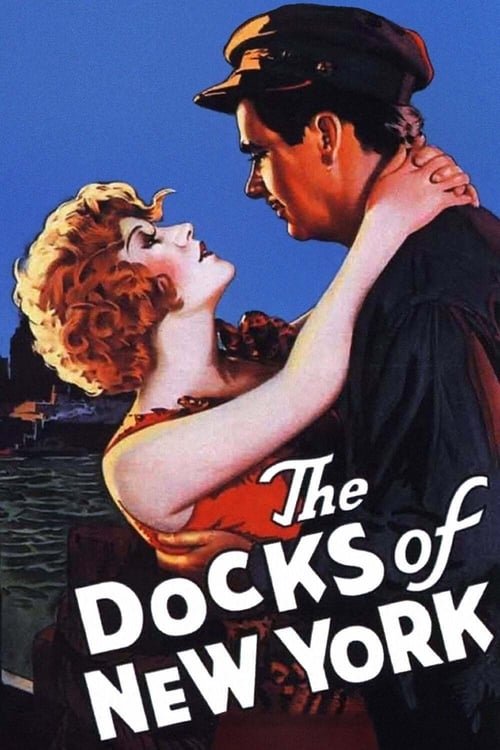
1928
No reviews yet. Be the first to share your thoughts on this movie!
Use the rating form above to leave a star rating and optional review.