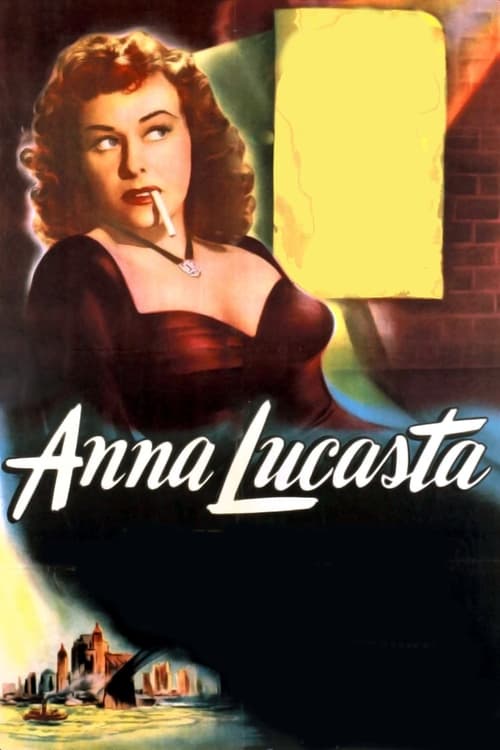
Anna Lucasta
1949
No user ratings available yet
Representation score: 0.6 out of 10

Representation Score
Minimal
1958
ApprovedDirector
Arnold Laven
Runtime
97 minutes
Average Rating
No ratings yetNew Showbiz Analysis
Anna Lucasta functions as a traditional mid-century moral drama that upholds established social hierarchies. The film's structure supports conventional standards of virtue and family stability rather than challenging them. While the film adds some ethnic texture through its Italian-American characters, it lacks multi-layered complexity. The narrative reinforces the gendered and cultural norms of the 1950s.
Category Breakdown
The film does not include any visible or implied LGBTQ+ characters. Romantic relationships are confined to heterosexual couples.
The story uses the 'fallen woman' cliché, which centers female identity around moral purity. Anna shows some involvement in the plot but her actions are largely defined by her relationships with men.
The cast is primarily white, reflecting the casting norms of the time. It includes an Italian-American character, adding some ethnic specificity, but remains within an Anglo-centric context.
The story operates within a traditional moral and religious framework focused on redemption. It emphasizes restoring social stability over questioning moral norms.
There is no representation of physical or neurodivergent disabilities in the film.
Present on Screen
Limited or Absent
Official Synopsis
The estranged family of a reformed prostitute calls her back home to get her married to an affluent acquaintance out of greed.
1949
1962
1958
1961

1946
1962
1956
1964
No reviews yet. Be the first to share your thoughts on this movie!
Use the rating form above to leave a star rating and optional review.