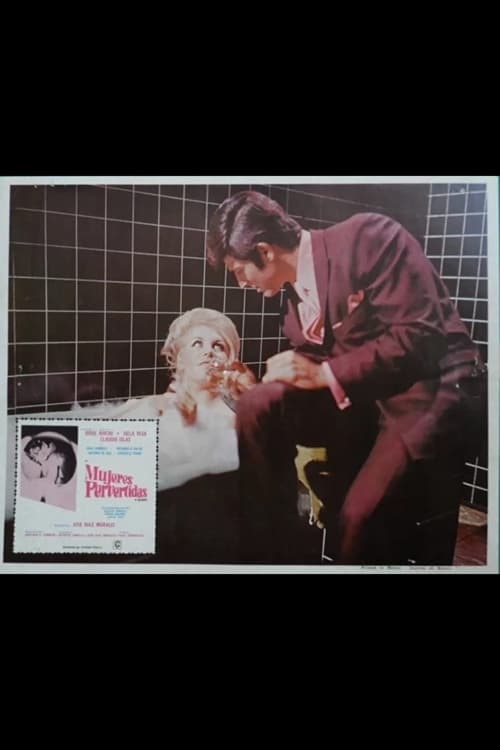
La hora desnuda
1971
No user ratings available yet
Representation score: 3.0 out of 10

Representation Score
Fair
1947
Director
José Díaz Morales
Runtime
84 minutes
Average Rating
No ratings yetNew Showbiz Analysis
Back Streets of Juarez presents a localized social drama that captures the socioeconomic realities of mid-century Mexico. By focusing on the landscapes of Mexico City and Ciudad Juárez, the film provides a non-Western perspective that avoids Anglo-centric clichés. However, the film seems confined by the cinematic conventions of its time. The emphasis on prostitution suggests a reliance on traditional stereotypes, such as the 'fallen woman,' which may prioritize victimization over complex female empowerment. Ultimately, while the film offers authentic regional representation, it lacks specific evidence of multi-layered depth or narrative subversion that would move beyond a typical period melodrama.
Category Breakdown
The film does not explicitly show non-straight or non-cisgender identities or same-sex relationships. Instead, it focuses on gender roles and social stigma.
Women play central roles in the drama through the theme of prostitution. However, the film likely depends on the 'fallen woman' stereotype common in 1947 melodramas.
The film features a majority cast from non-Anglo-Saxon backgrounds, rooted in Mexico City and Ciudad Juárez. It offers authentic regional representation but does not disrupt racial stereotypes.
Themes of smuggling and prostitution hint at a critique of systemic corruption. It is unclear if the film follows secular or traditional religious moral frameworks.
There is no clear evidence of characters with visible or invisible disabilities.
Present on Screen
Limited or Absent
Official Synopsis
In Ciudad Juárez, a prostitute decides to go straight when her drug-dealer lover is trapped. She marries a rich man, but a pimp from her past reappears unexpectedly.
1971

1956
1951
1950
1963

1974

1982
1943
No reviews yet. Be the first to share your thoughts on this movie!
Use the rating form above to leave a star rating and optional review.