
DAU. Brave People
2020
No user ratings available yet
Diversity score: 4.7 out of 10
2020
Director
Anatoly Vasiliev, Ilya Khrzhanovsky
Runtime
132 minutes
Average Rating
No ratings yetSynopsis
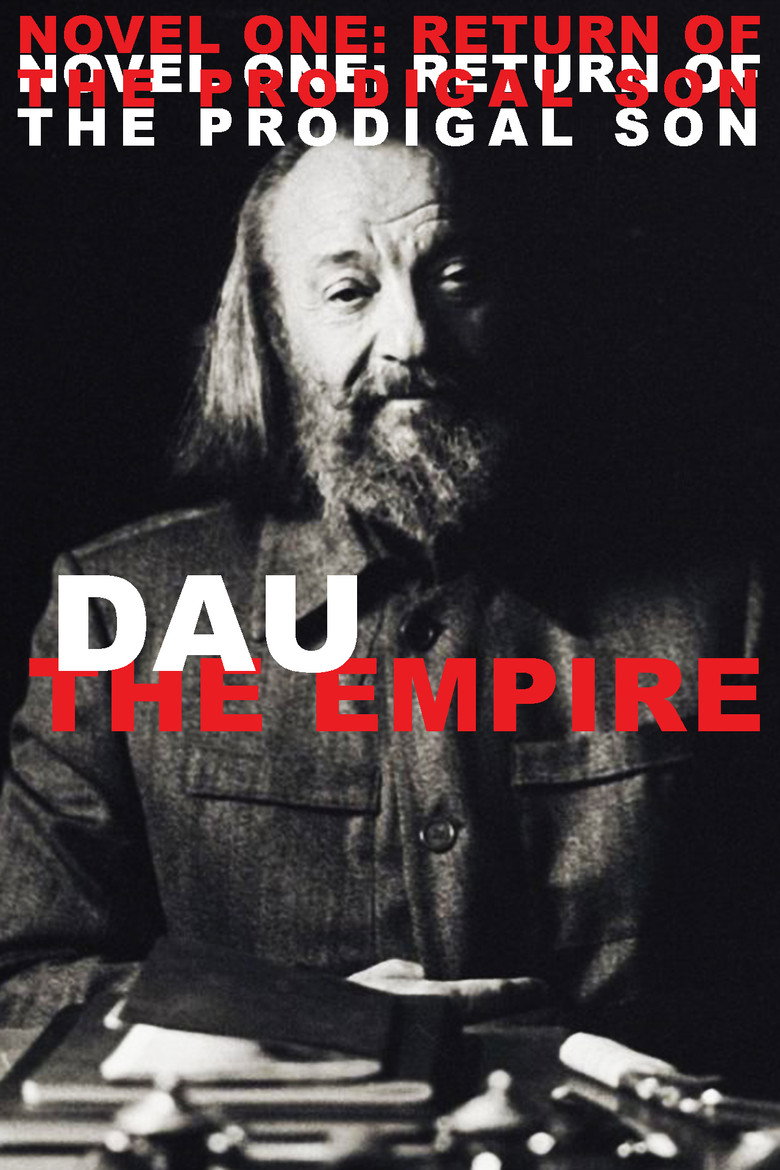
«The Return of the Prodigal Son» is the first volume from the film (novel) of Anatoli Vassiliev’s «Empire» inside the Dau cycle. The story is about inner kinship, which is much closer than blood, about inevitable betrayal, about almost fatherly love and forgiveness. Cigarettes (papirossa), images from «Faust» and «Don Juan», walks in the Soviet Park of culture... And a terrible, narrow gap inside the brutal regime where you have to be skilled enough to survive... Yes! and they also play gorodki (skittles) with childish passion!
Overall Score
Fair
Category Breakdown
LGBTQ+ Representation
The film focuses on the psychological mechanics of a simulated Soviet microcosm. It lacks explicit LGBTQ+ identities or narratives designed to critique heteronormativity, prioritizing existential and systemic pressures instead.
Gender Representation
Gender roles appear tethered to the oppressive social strata of the simulated environment. Women rarely drive the plot through agency, appearing instead as subjects to the overwhelming weight of the institution.
Racial & Ethnic Diversity
The cast is predominantly Slavic to maintain the historical logic of the Soviet-era setting. The narrative does not utilize color-blind casting, resulting in a highly homogeneous demographic profile.
Religious & Cultural Diversity
The film excels at deconstructing traditional institutional pillars and stable social orders. It portrays authority as corrupt and irrational, framing the breakdown of morality as a byproduct of the system.
Disability Representation
Psychological fragility is explored, but these elements function as symptoms of an oppressive environment. There is a risk of using psychological states as atmospheric devices rather than granting characters autonomous agency.
Strengths
Areas for Improvement
AI Analysis
The film functions as a philosophical laboratory rather than a vehicle for identity politics. It prioritizes a deep systemic critique of authority and moral relativism over demographic inclusivity. While the work achieves high marks for its sophisticated cultural deconstruction, it remains limited by its hyper-specific historical simulation. This focus results in low scores for racial and LGBTQ+ representation. Ultimately, the narrative architecture is designed to examine the collapse of social frameworks, often treating individual identities as subjects to the overwhelming weight of the institutional system.
2020
2012
1987

2018
1981
1991
1932
2010
1994

1984
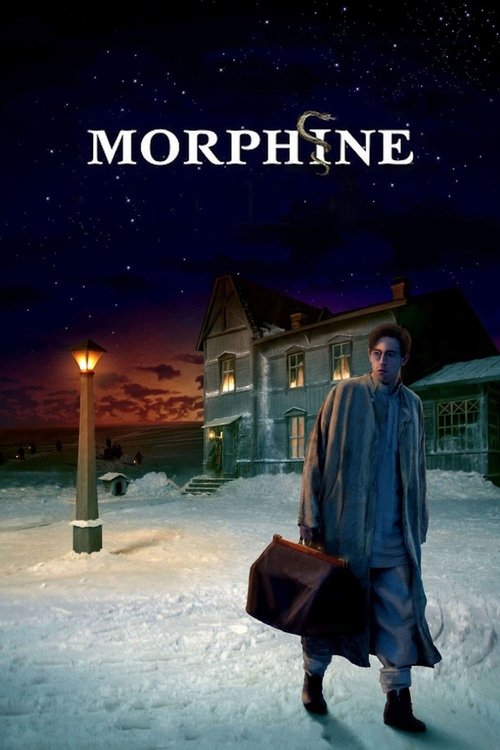
2008
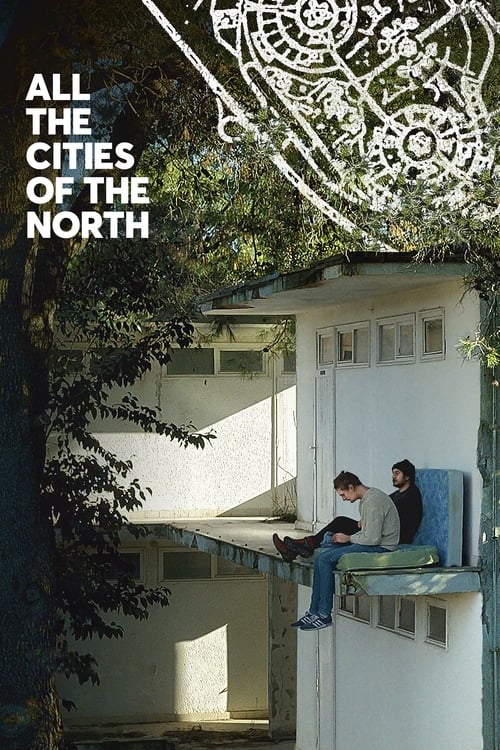
2016
No reviews yet. Be the first to share your thoughts on this movie!
Use the rating form above to leave a star rating and optional review.