
Dovlatov
2018
No user ratings available yet
Diversity score: 4.7 out of 10
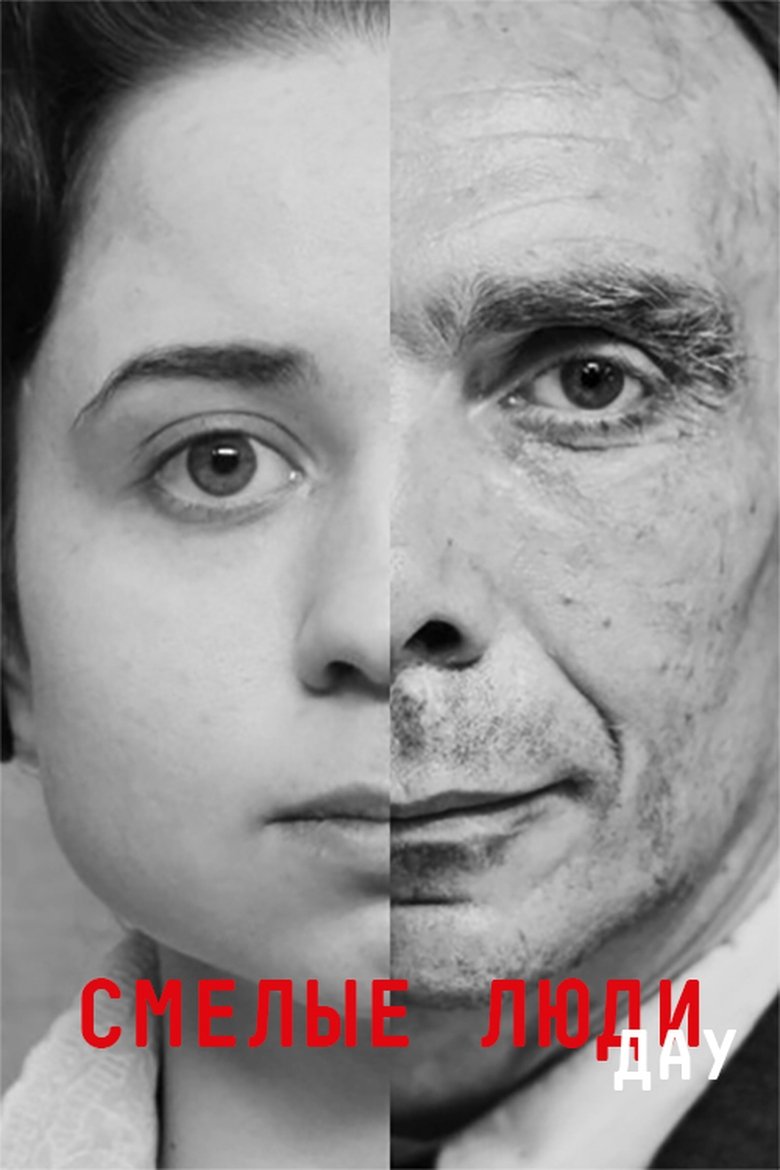
2020
Director
Ilya Khrzhanovsky, Alexey Slyusarchuk
Runtime
153 minutes
Average Rating
No ratings yetSynopsis
It is 1953, Stalin has just died. It is a troubled and uncertain period for the whole of the Soviet Union, particularly for the state security services. In the Institute, a secret research facility, the scientists continue their theoretical and experimental work. Every night they strain their ears to listen for footsteps in the dark corridors: who have they come for this time? Who has reported on who? Having survived the fear and humiliation of an interrogation, the Head of the Theoretical Department, Andrei Losev, refuses to cooperate with the security services, only to face a new ordeal back in his own home.
Overall Score
Fair
Category Breakdown
LGBTQ+ Representation
The film focuses on the psychological pressures of a simulated totalitarian state. It lacks explicit LGBTQ+ identities or non-cisnormative gender expressions, prioritizing the tension between individuals and the institution.
Gender Representation
Gender roles are largely dictated by a rigid, simulated Soviet environment. The narrative explores the psychological toll of these roles without overtly prioritizing female agency or the deconstruction of masculinity.
Racial & Ethnic Diversity
The setting reflects the historical and geographic context of the mid-20th century Soviet Union. There is no evidence of race-bent casting or intentional efforts to diversify this historically homogeneous setting.
Religious & Cultural Diversity
The film excels at critiquing absolute authority and the oppressive nature of total institutions. It uses a simulated environment to explore moral relativism and the fragmentation of truth within a system.
Disability Representation
Themes of mental instability and the breakdown of the self are present. However, these elements reflect environmental pressure rather than characters with agency navigating specific disabilities.
Strengths
Areas for Improvement
AI Analysis
DAU. Brave People is a postmodern critique of systemic power and the erosion of autonomy. Its strength lies in its intellectual subversion of historical structures and its profound deconstruction of institutional authority. However, the film lacks the intersectional, character-driven markers found in contemporary media. It prioritizes the psychological impact of a simulated Soviet state over demographic diversification. Ultimately, the work functions as a sociological study of a controlled environment. It succeeds in challenging political stability but offers limited representation regarding gender, race, or sexuality.
2018
2013
1981
2010
1987
2021

2013
2020
2010
2001
2007
1985
No reviews yet. Be the first to share your thoughts on this movie!
Use the rating form above to leave a star rating and optional review.