Kawasaki's Rose
2009
No user ratings available yet
Diversity score: 4.8 out of 10
2010
Director
Marc Dugain
Runtime
105 minutes
Average Rating
No ratings yetSynopsis
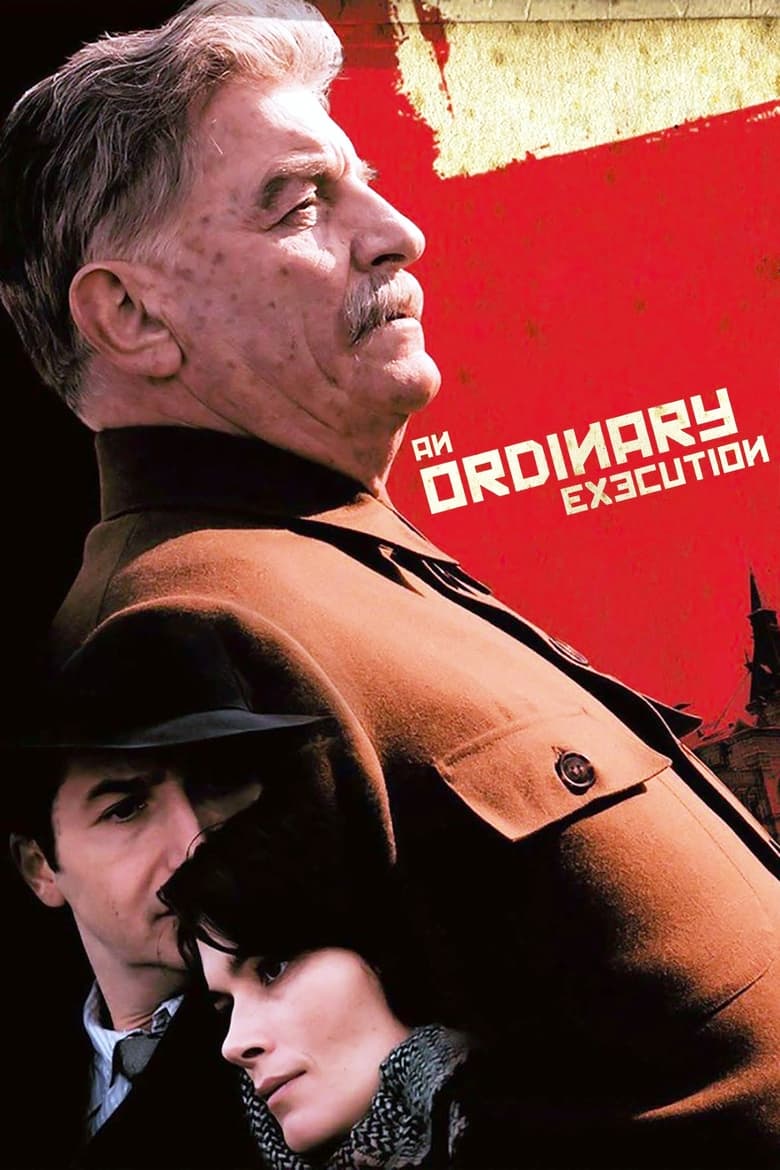
During the last days of Stalin's reign, a doctor (Marina Hands) tries to go unnoticed in a society of mutual dread where a neighbour or colleague might "denounce" you to the authorities at any moment.But tales of her healing touch have spread and one night she is taken away, not to the infamous Lubyanka prison, but to the Kremlin to attend the ailing Comrade Stalin himself. Uncle Joe (André Dussollier), an old man racked with pain but still as watchful and deadly as a snake.
Overall Score
Fair
Category Breakdown
LGBTQ+ Representation
The film lacks explicit evidence of LGBTQ+ characters or narratives. The focus remains on the existential dread of the Stalinist era and political survival.
Gender Representation
A female protagonist drives the plot through her professional competence and specialized skills. This placement disrupts traditional hierarchies within a hyper-masculine, authoritarian regime.
Racial & Ethnic Diversity
Representation reflects the historical ethnic realities of the Soviet Union. The narrative prioritizes internal social stratification over modern intersectional racial diversity.
Religious & Cultural Diversity
The film offers a strong critique of centralized, authoritarian power. It portrays the Soviet state as a predatory entity that erodes individual morality and social trust.
Disability Representation
Stalin’s physical decline and chronic suffering serve as central narrative elements. This explores the vulnerability of power through the lens of physical frailty.
Strengths
Areas for Improvement
AI Analysis
An Ordinary Execution is a historical drama that prioritizes systemic power dynamics over modern identity politics. It succeeds in centering a female professional within a restrictive, high-stakes political environment, providing a lens into how individual agency functions under state-mandated terror. While the film lacks contemporary intersectional markers like LGBTQ+ representation, it excels in its cultural critique of institutional oppression. The narrative effectively uses the physical vulnerability of a dictator to examine the intersection of power and human frailty. Ultimately, the film's diversity is rooted in its historical authenticity and its subversion of traditional gender roles within a specific, oppressive political framework.
2009
1987

2016

2020
2007

1985
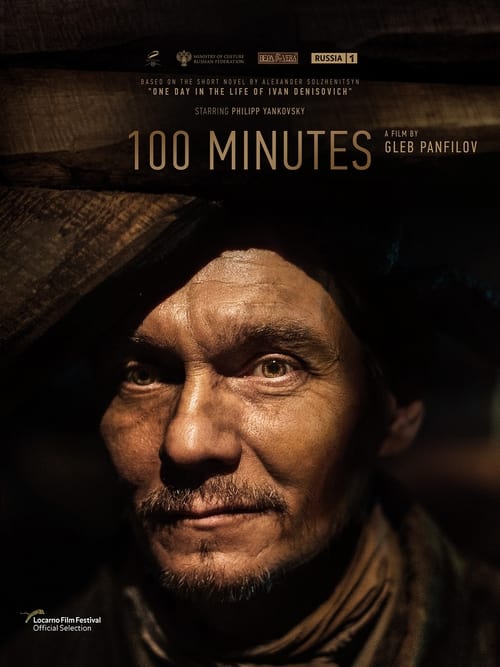
2021

2020

2011
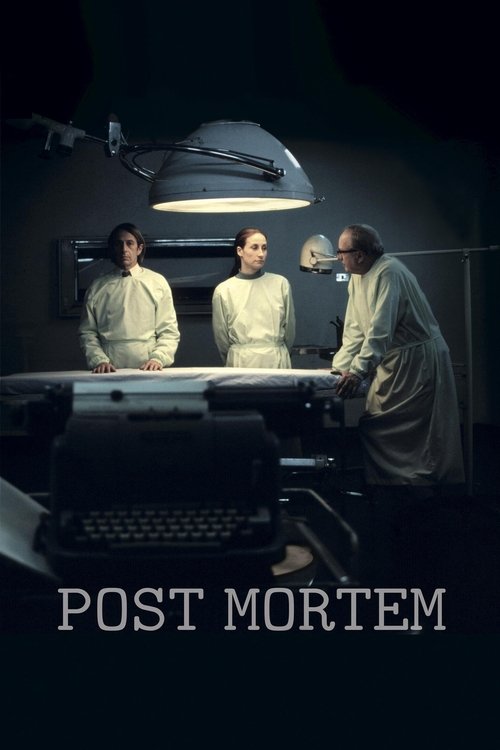
2010

2018
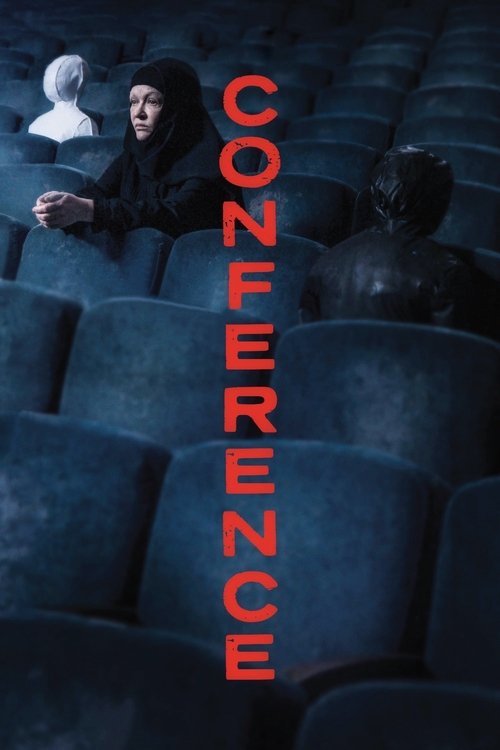
2020
No reviews yet. Be the first to share your thoughts on this movie!
Use the rating form above to leave a star rating and optional review.