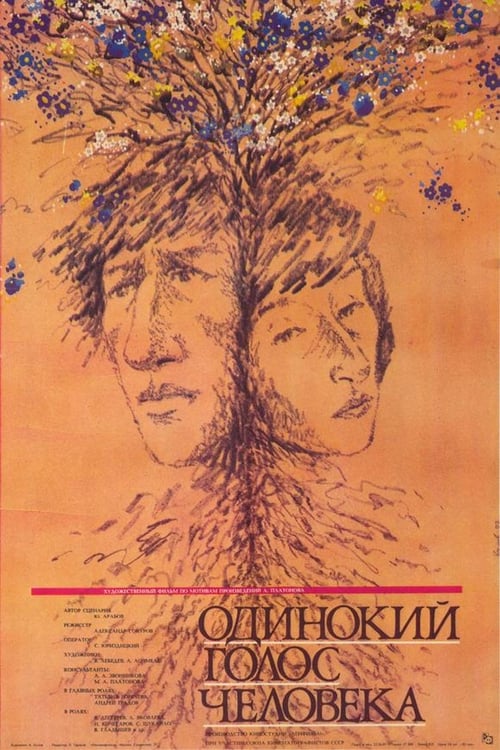
The Lonely Voice of Man
1987
No user ratings available yet
Diversity score: 5.3 out of 10

1932
Director
Vasili Fyodorov
Runtime
91 minutes
Average Rating
No ratings yetSynopsis
Soviet film based on Dostoevsky's autobiographical novel of his prison experiences in Tsarist days.
Overall Score
Fair
Category Breakdown
LGBTQ+ Representation
The film lacks overt representation of non-cisnormative identities. While prison dramas often explore unconventional interpersonal bonds, there is no specific evidence of queer identities present.
Gender Representation
The narrative disrupts traditional gender hierarchies by focusing on survival rather than domestic stability. It replaces conventional patriarchal roles with characters navigating a breakdown of social structures.
Racial & Ethnic Diversity
Set within the Tsarist Russian Empire, the film likely reflects the era's ethnic complexities. It uses the criminal class as a metaphor for those marginalized by the socio-political order.
Religious & Cultural Diversity
The film offers a strong critique of Tsarist institutions and state-sanctioned morality. It frames the marginalized through a lens of systemic victimhood rather than simple moral failing.
Disability Representation
Physical and mental degradation from incarceration serves as a central thematic element. The narrative uses the physical toll of imprisonment to highlight the cruelty of the institution.
Strengths
Areas for Improvement
AI Analysis
House of the Dead functions as a systemic critique of the Tsarist penal system. It prioritizes the deconstruction of historical power dynamics and class hierarchies over modern intersectional visibility. The film's strength lies in its anti-authoritarian framework. By centering the struggle of the individual against a corrupt state, it challenges traditionalist and monarchical structures. However, the work remains limited by the cinematic constraints of the 1930s. It lacks explicit representation of LGBTQ+ identities and diverse global casting, focusing instead on the internal mechanics of imperial oppression.
1987

1974

1961
2010
1991

2011
2021
1962
2020

1937

2020
2011
No reviews yet. Be the first to share your thoughts on this movie!
Use the rating form above to leave a star rating and optional review.