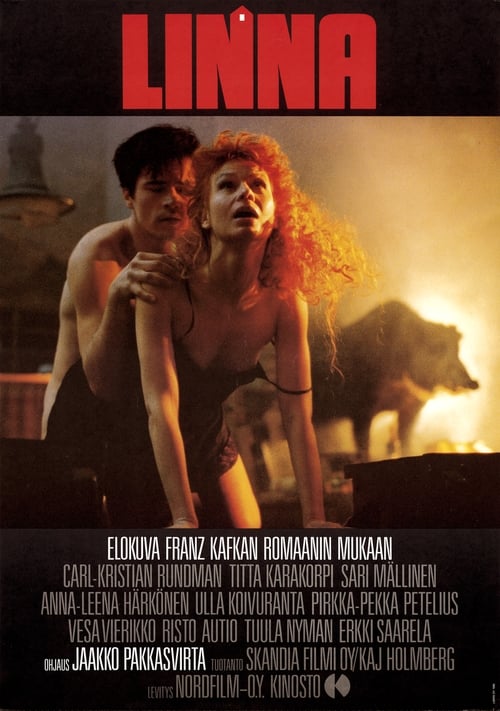
Linna
1986
No user ratings available yet
Representation score: 8.2 out of 10
Representation Score
Fair
1994
Director
Aleksei Balabanov
Runtime
120 minutes
Average Rating
No ratings yetNew Showbiz Analysis
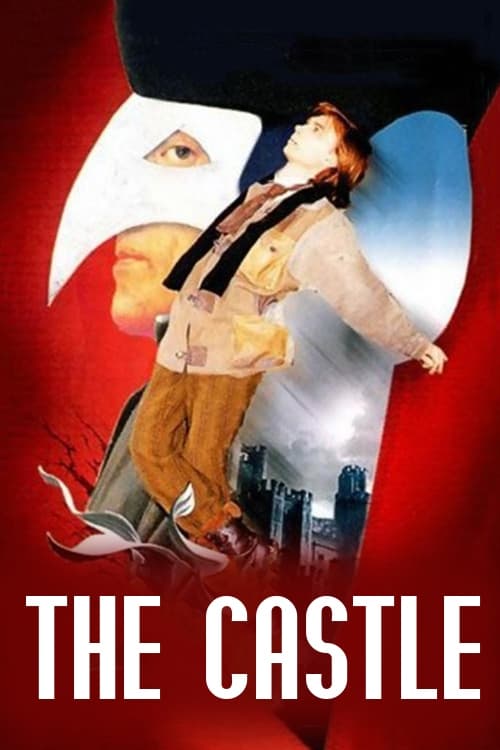
Aleksei Balabanov’s adaptation of Kafka’s work is a study in existential dread and systemic decay. It prioritizes the psychological erosion of the individual over demographic representation, resulting in a film that feels culturally and socially narrow by modern standards. The work succeeds as a postmodernist critique of authority. By dismantling the concept of a stable moral center, it offers a profound look at how individuals struggle against nonsensical, corrupt systems. However, the film offers little in the way of identity-based inclusion. It operates within a rigid historical framework that lacks racial diversity and fails to challenge traditional gender or sexual norms.
Category Breakdown
The film does not feature prominent LGBTQ+ characters or storylines. The narrative centers on an existential struggle within a surreal framework, where sexual identity is largely unexplored.
Gender dynamics reflect a static, decaying social order. The film adheres to traditional roles without challenging hierarchies or elevating women's control over their own lives.
Set in 19th-century Russia, the film presents a culturally homogeneous environment. The cast reflects the historical setting but lacks diverse racial representation.
The film excels at deconstructing traditional institutions and moral relativism. It critiques systemic stagnation by portraying authority as an impenetrable, bureaucratic maze.
Themes of psychological instability and sensory disorientation are prevalent. However, these portrayals tend towards the grotesque rather than empowering those with neurological differences.
Present on Screen
Limited or Absent
Official Synopsis
Closely based on Franz Kafka's book "Das Schloß", the movie shares the same action on a land surveyor who is called to a village to do a job that no one seems to have ordered. Once there, he takes up the struggle against bureaucracy emanating from the castle.
1986

1979
1997
1994
1964
1962

2012
2014
No reviews yet. Be the first to share your thoughts on this movie!
Use the rating form above to leave a star rating and optional review.