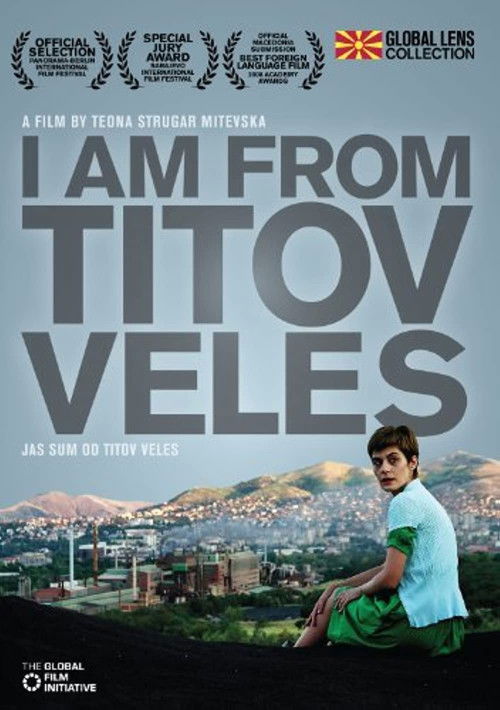
I am from Titov Veles
2007
No user ratings available yet
Representation score: 8.3 out of 10
Representation Score
Good
2016
Director
Dane Komljen
Runtime
100 minutes
Average Rating
No ratings yetNew Showbiz Analysis
Dane Komljen’s work disrupts conventional cinematic expectations by prioritizing systemic decay and historical fragmentation over individualistic storytelling. The film avoids traditional character arcs, opting instead for a contemplative, essayistic approach to the landscape. While the film lacks explicit, character-driven representation, its narrative structure is deeply invested in deconstructing Western industrial and capitalist ideals. It finds meaning in the remnants of society rather than in traditional social hierarchies. The strength of the work lies in its ability to challenge the narrative of modern progress. It offers a skeptical, postmodern view of established institutions through the lens of abandonment and loss.
Category Breakdown
The film's experimental, non-narrative structure avoids traditional romantic clichés. Its focus on fragmented, sensory experiences aligns with queer cinematic aesthetics that prioritize non-linear subjectivity over linear plot progression.
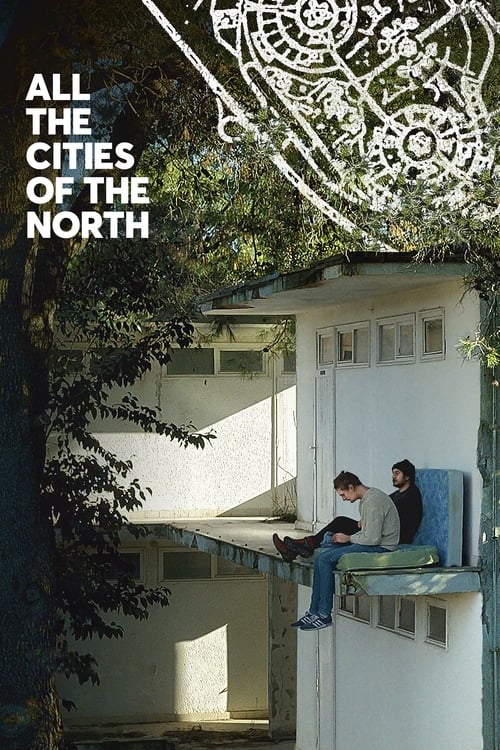
The narrative centers on landscapes and decaying industrial sites rather than traditional gender hierarchies. By focusing on abandoned bungalows and factories, the film disrupts conventional expectations of gendered control over the story.
The film focuses on a desolate, post-industrial landscape. While specific racial representation is unverified, the preoccupation with historical memory and the 'left behind' suggests a metaphor for underrepresented populations.
The imagery functions as a potent critique of industrial capitalism and environmental decay. The focus on revolutionary statues and forgotten decades challenges the perceived progress of Western modernity.
The film explores vulnerability through its focus on lost and abandoned entities. The emphasis on sensory decay suggests a potential focus on heightened or neurodivergent sensory perception.
Present on Screen
Limited or Absent
Official Synopsis
It’s like almost all is lost. Yet still they are here – abandoned bungalows, an artificial lake, dirty plastic bottles, lost donkeys and stray dogs, draining pipes running over fields of salt, deserted factories, statues of revolutionaries, concrete playgrounds covered with weeds, rotten fruit, folded T-shirts, pop songs, decades of forgetting, a single room with a blue tent inside. And it felt like a kiss.
2007
2018
2013
1992
2014

2013
1984
2009
No reviews yet. Be the first to share your thoughts on this movie!
Use the rating form above to leave a star rating and optional review.