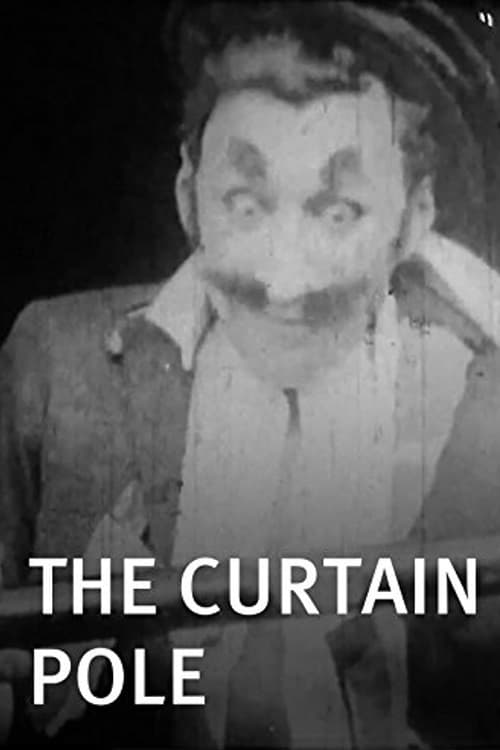
The Curtain Pole
1909
No user ratings available yet
Diversity score: 1.8 out of 10

1928
NRDirector
Fred Guiol, Leo McCarey
Runtime
23 minutes
Average Rating
No ratings yetSynopsis
Schultz raises prize chickens and roosters that are always getting into neighbor Max Davidson's garden and eating the seeds, leading to constant feuding between the two men. When their children announce their engagement the two men decide to bury the hatchet and Davidson suggests a dinner at his house. He gives his young son, Ignatz, two dollars to buy a chicken but the boy pockets the money and kills Schultz' first place rooster instead. Once seated at the table all but Schultz discover what they are eating and desperately try to hide the bad news from Schultz who is sure to kill Davidson if he knows the truth.
Overall Score
Limited
Category Breakdown
LGBTQ+ Representation
The film adheres to a standard heteronormative framework. There are no visible LGBTQ+ characters or narratives addressing non-cisnormative identities.
Gender Representation
The plot is driven by a masculine conflict between two male neighbors. Women occupy peripheral, reactive roles rather than driving the narrative agency.
Racial & Ethnic Diversity
The setting appears localized and homogeneous. There is no indication of a multi-ethnic cast or the subversion of racial hierarchies.
Religious & Cultural Diversity
The story explores domestic dysfunction and neighborly disputes. It functions as a comedic study of social order rather than a critique of Western institutions.
Disability Representation
There is no evidence of characters with physical, sensory, or neurodivergent disabilities.
Strengths
Areas for Improvement
AI Analysis
Pass the Gravy is a product of its era, focusing on a traditional domestic comedy centered on interpersonal conflict. The narrative relies on a masculine-driven feud between neighbors, which limits the scope of gendered agency. The film lacks intentional intersectional representation, following the conventional demographic norms of early 20th-century American cinema. It prioritizes situational humor and domestic chaos over social or systemic critique. Ultimately, the work functions as a character study within a conventional social framework, offering little in the way of diverse perspectives or subverted power dynamics.
1909
1952

1915

1941
1927
1939
1954
1954
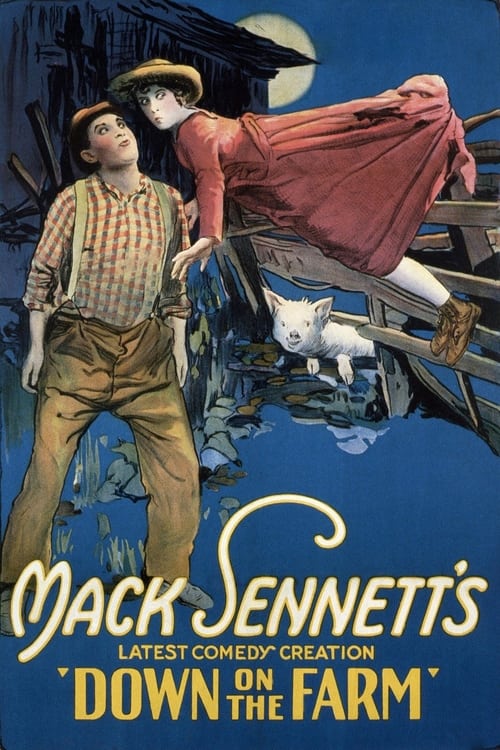
1920
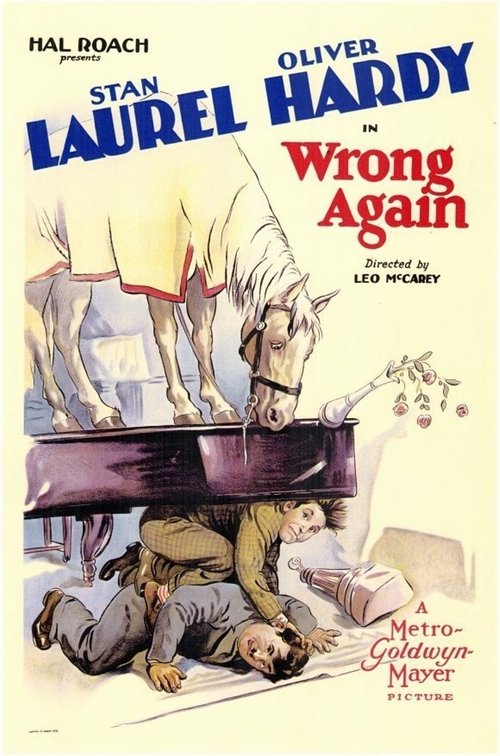
1929
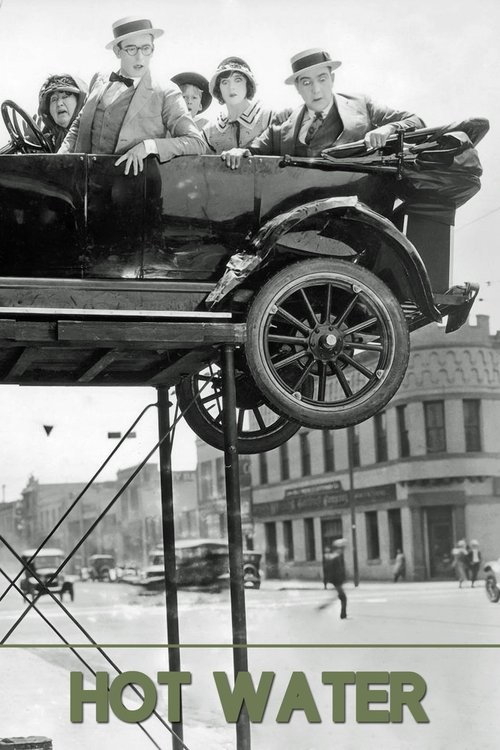
1924
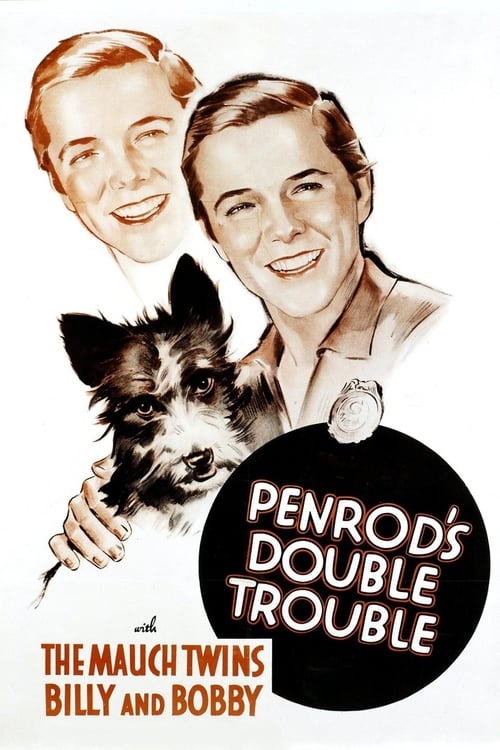
1938
No reviews yet. Be the first to share your thoughts on this movie!
Use the rating form above to leave a star rating and optional review.