Rip, Sew and Stitch
1953
No user ratings available yet
Representation score: 2.7 out of 10
Representation Score
Minimal
1952
ApprovedDirector
Jules White
Runtime
16 minutes
Average Rating
No ratings yetNew Showbiz Analysis
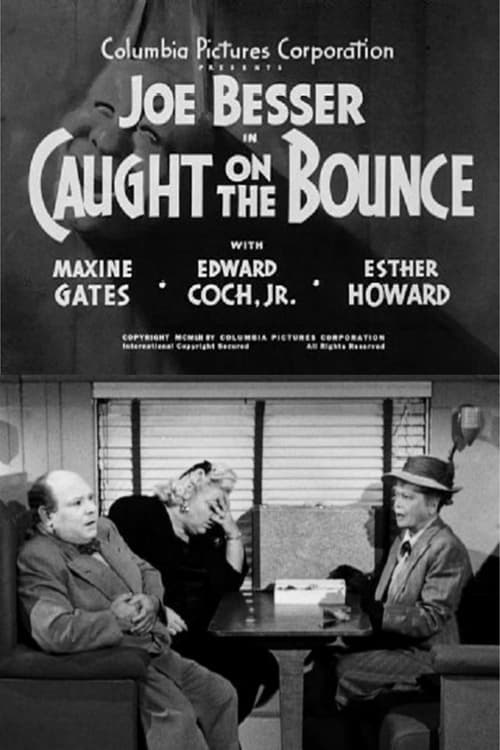
Caught on the Bounce is a classic mid-century slapstick comedy that emphasizes physical humor and formulaic storytelling. The narrative relies on established archetypes and traditional moral structures, such as pursuing a criminal reward to settle personal debts. The film reflects the era's cinematic limitations, featuring a homogeneous cast and a straightforward, goal-oriented plot. It does not aim to subvert systemic power dynamics or explore characters who reflect more than one aspect of diversity.
Category Breakdown
The film does not include any LGBTQ+ characters or non-cisgender identities. The storyline follows a traditional path focused on family finances.
The story revolves around a male protagonist driven by financial needs. The Aunt exhibits ability to act by refusing funds and assisting in capturing a robber, but her role is closely tied to the male lead's journey.
The cast appears uniform, reflecting the typical studio comedies of the early 1950s. There is no representation of non-white or racially diverse characters.
The film operates within a traditional Western framework emphasizing individual debt and legal systems. It upholds binary morality without delving into secular themes or challenging societal norms.
There is no indication that characters with visible or invisible disabilities are part of the story. The narrative centers on a standard crime-and-reward plot.
Present on Screen
Limited or Absent
Official Synopsis
Joe Besser needs money to pay back a loan of $2500 and travels to ask his aunt for the money. She boards the train, along with a man who looks like a wanted bank-robber, and tells Joe she needs $2500 herself and can not help him. Between them they capture the bank robber and split the $5,000 reward.
1953
1940
1953

1940
1953
1947
1955
1956
No reviews yet. Be the first to share your thoughts on this movie!
Use the rating form above to leave a star rating and optional review.