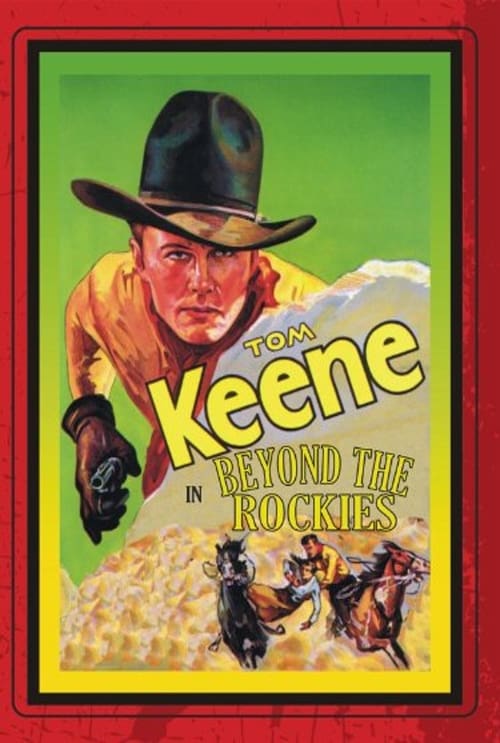
Beyond the Rockies
1932
No user ratings available yet
Representation score: 1.3 out of 10
Representation Score
Minimal
1939
ApprovedDirector
Sam Newfield
Runtime
57 minutes
Average Rating
No ratings yetNew Showbiz Analysis
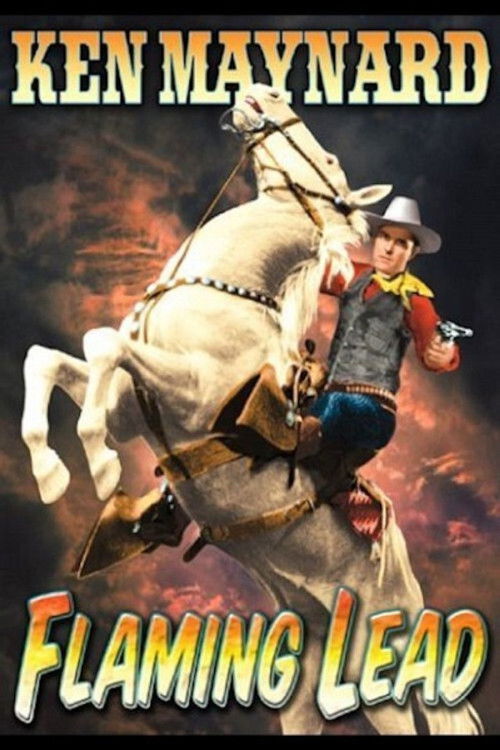
Flaming Lead is a standard 1939 Western that prioritizes genre conventions over social complexity. The plot relies on traditional archetypes, centering men's control over the story while relegating female characters to supporting roles that trigger the main conflict. Representation is minimal, adhering to the era's Anglo-centric and straight-centered standards. The film functions to reinforce established social hierarchies and frontier ideals rather than challenging them. Ultimately, the work offers a conventional viewing experience typical of B-movie productions of its time, lacking any intentionality regarding diverse perspectives.
Category Breakdown
The film follows a traditional action framework without any representation of LGBTQ+ identities or same-sex relationships.
Male characters take the lead in driving the narrative through direct action. Female characters serve mainly as catalysts for the male protagonists, triggering the main conflicts.
The story focuses on Anglo-centric dynamics, with no indication of a diverse cast or the subversion of racial stereotypes.
The film reinforces mid-century American ideals and Western values, emphasizing property protection and individual heroism to restore order.
No characters are shown to have physical or neurodivergent impairments. There is no depiction of disability in the narrative.
Present on Screen
Limited or Absent
Official Synopsis
Cowhand Ken Clark is stranded in Chicago, and temporarily takes a job as a sharp-shooter entertainer in a night club, with the intention of getting enough money together to get back to his beloved Arizona. Frank Gordon, while drunk, is about to be rolled by the club bouncer, but Ken interferes and earns Clark's gratitude. Gordon gets a telegram from Kay Burke, the daughter of his partner in Arizona, notifying him that her father, Jim Burke, has been killed by rustlers.The ranch has a U.S. Army contract to furnish horses, but she sees little hope of being able to make good because the stock is being rustled, and she asks Gordon for his help.
1932
1939
1939
1946
1934

1939
1937

1930
No reviews yet. Be the first to share your thoughts on this movie!
Use the rating form above to leave a star rating and optional review.