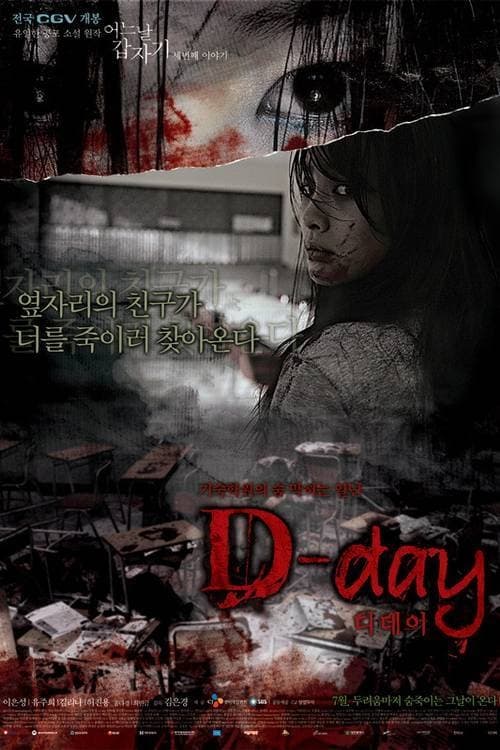
4 Horror Tales: Roommates
2006
No user ratings available yet
Representation score: 3.2 out of 10
Representation Score
Fair
2004
RDirector
Ahn Byeong-ki
Runtime
92 minutes
Average Rating
No ratings yetNew Showbiz Analysis
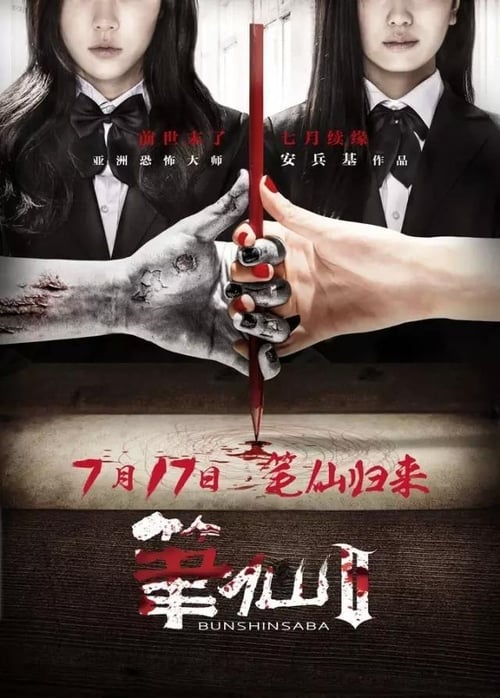
Bunshinsaba functions primarily as a genre-driven horror film designed to evoke fear. Its progressive value lies in subverting gendered power dynamics by positioning a underrepresented female student as a catalyst for systemic upheaval. The film moves away from traditional heroic archetypes by embracing a morally complex approach to justice. While it lacks engagement with contemporary identity politics, it provides nuanced depictions of disability and cultural specificity. Ultimately, the film's strengths are found in its character's ability to drive the story and non-Western perspective rather than intentional social commentary.
Category Breakdown
The film focuses on high school students within a traditional horror framework. It does not include any non-straight or non-cisgender identities or stories that question the assumption that everyone is straight or cisgender.
Yu-jin disrupts traditional gender roles by placing the narrative focus on a female protagonist. She uses a ritualistic tool to exert power, challenging the typical damsel in distress cliché.
As a South Korean production, the film features a culturally homogeneous cast. It offers a specific cultural perspective but lacks complexity in representing multiple aspects of diversity.
The narrative explores social isolation and the failure of traditional authority figures. The Bunshinsaba ritual serves as a critique of social dynamics and institutional protections.
Yu-jin’s blind mother provides significant representation. Her visual impairment is a factual part of her identity and integrated into the protagonist's emotional core.
Present on Screen
Limited or Absent
Official Synopsis
Yu-jin and her blind mother move to a small village from Seoul. On her first day at the new school, Yu-jin gets picked on by her classmates. Along with other victims of hatred, Yu-jin puts a curse on the four girls tormenting them through a Ouija Board. On her second day at school, one of the spellbound bursts into flames and dies just as she sits down where Yu-jin used the board. Next day, another victim burns to death, and now the school is enclosed by horror.
2006
1999
1998
2000
1998
2002
2013
2014
No reviews yet. Be the first to share your thoughts on this movie!
Use the rating form above to leave a star rating and optional review.