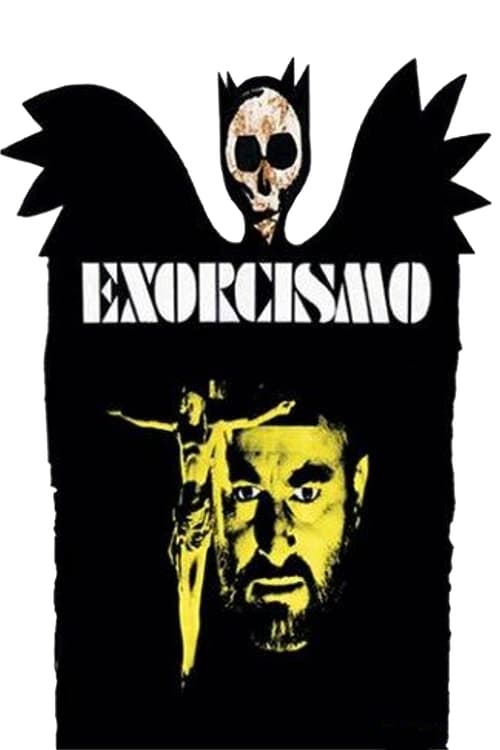
Exorcismo
1975
No user ratings available yet
Representation score: 1.8 out of 10
Representation Score
Limited
1974
Director
Metin Erksan
Runtime
100 minutes
Average Rating
No ratings yetNew Showbiz Analysis
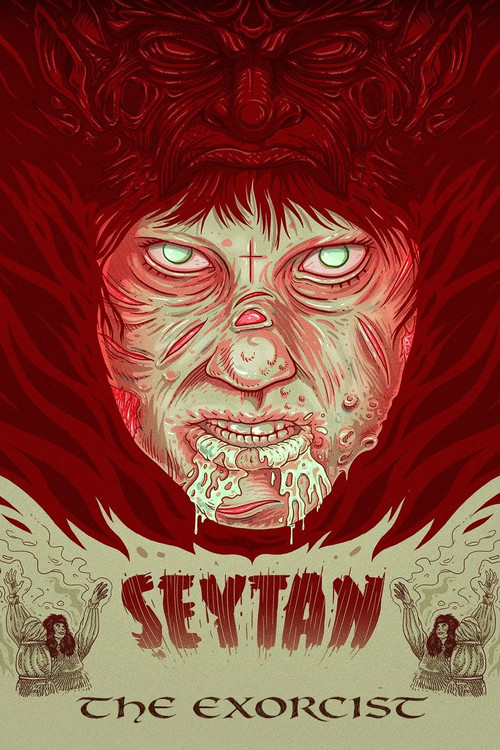
Satan (1974) is a traditional horror film that adheres to established social and religious hierarchies. While it presents a non-Western cultural framework due to its Turkish origins, the narrative structure remains conservative. The film heavily relies on patriarchal clichés, positioning male authority figures as the primary agents of salvation for a female protagonist. This limits the depth of the female character's role within the story. Additionally, the use of psychological instability as a vehicle for supernatural terror indicates a reliance on genre clichés rather than a sophisticated treatment of mental health or diverse identities.
Category Breakdown
The film does not include any LGBTQ+ characters or narratives. The story focuses solely on spiritual conflicts and religious salvation.
Although the main character is a young girl, her role is limited by her possession. The narrative depends on male figures like a psychiatrist and exorcist to provide protection.
As a Turkish production, the film offers a non-Western perspective that breaks away from Anglo-Saxon cinematic norms. However, the cast appears ethnically uniform within its regional context.
The story emphasizes traditional moral and religious authority through the theme of exorcism. It prioritizes institutional salvation over secular or anti-institutional viewpoints.
Psychological distress and possession serve as central plot devices. These elements function primarily as horror mechanics rather than nuanced explorations of mental health or ability to act.
Present on Screen
Limited or Absent
Official Synopsis
12 year-old Gul becomes possessed by Satan after experimenting with a Ouija board. A troubled psychiatrist and an experienced exorcist become the girl’s only hope for salvation.
1975
1961
1975
1977
1974
1961
2015
2024
No reviews yet. Be the first to share your thoughts on this movie!
Use the rating form above to leave a star rating and optional review.