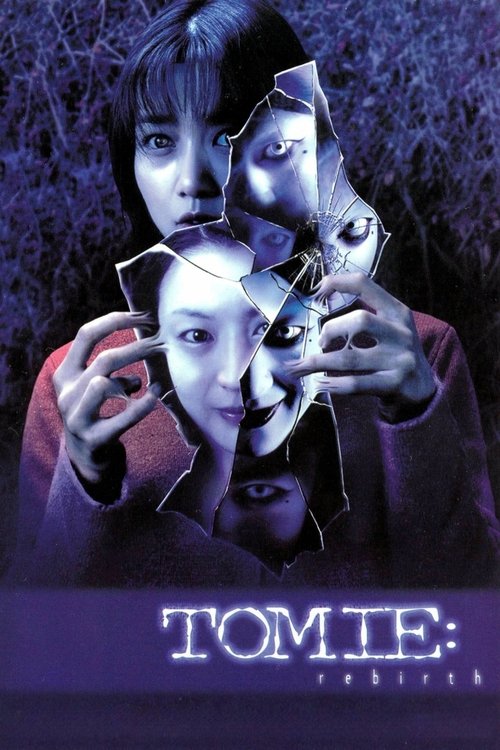
Tomie: Rebirth
2001
No user ratings available yet
Representation score: 3.5 out of 10
Representation Score
Good
2005
Director
Ataru Oikawa
Runtime
74 minutes
Average Rating
No ratings yetNew Showbiz Analysis
Tomie: The film begins with a dark subversion of gendered power dynamics, positioning a female protagonist as a catalyst for systemic chaos. This dismantling of masculine stability provides a unique psychological edge to the horror genre. However, the film's scope is narrow. The narrative remains tightly focused on a localized Japanese setting, which limits racial and ethnic breadth. The lack of LGBTQ+ visibility further restricts its multi-layered reach. Ultimately, while the film excels at deconstructing social hierarchies, it treats mental health and identity as tools for genre tension rather than as nuanced character studies.
Category Breakdown
The film does not focus on LGBTQ+ identities or relationships outside of traditional heterosexual ones. The central conflict revolves around traditional gender roles rather than exploring queer narratives.
Tomie challenges traditional gender hierarchies by exerting psychological dominance over her peers. The film portrays masculine competence as fragile, showing male characters losing control and becoming violent under her influence.
Set within a Japanese high school, the cast remains largely homogeneous. While avoiding harmful stereotypes, the narrative lacks significant ethnic diversity or intentional integration of different racial identities.
The story deconstructs social order by depicting the collapse of a classroom microcosm. It explores moral relativism, showing how traditional institutions and decorum are easily corrupted by chaos.
Mental health crises and insanity are used primarily as horror plot devices. These depictions serve visceral tension rather than offering nuanced portrayals of lived experiences with neurodivergence.
Present on Screen
Limited or Absent
Official Synopsis
Within days after the mysterious new student Kawakami Tomie joins a high school classroom, all hell literally breaks loose. Simple in-fighting between boys and girls over Tomie's oppressive shadow soon gives way to mind-breaking violence, culminating in a grizzly dissection that ultimately leads to suicide, insanity, and even more violence.
2001
2005
2005

2012
2009
2011

2002
2004
No reviews yet. Be the first to share your thoughts on this movie!
Use the rating form above to leave a star rating and optional review.