
X Game
2010
No user ratings available yet
Representation score: 5.6 out of 10
Representation Score
Good
2009
Not RatedDirector
Yôhei Fukuda
Runtime
104 minutes
Average Rating
No ratings yetNew Showbiz Analysis
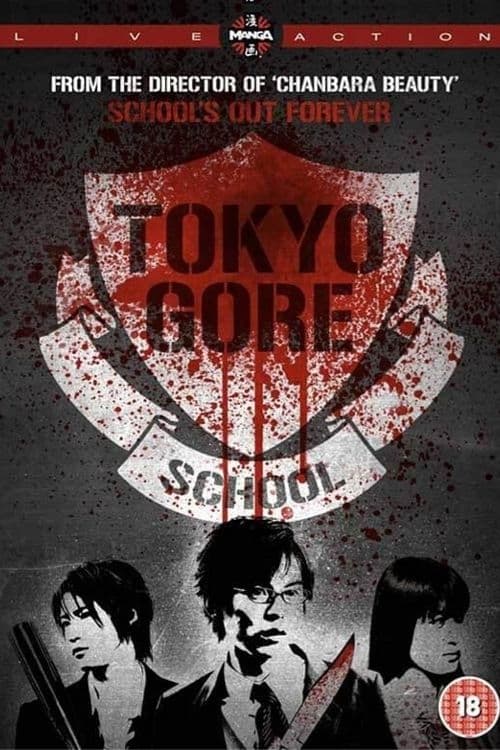
Tokyo Gore School is a hyper-stylized splatter film that prioritizes visceral sensation over character development. It stands out by presenting women as powerful, competent fighters who defy traditional stereotypes. However, the film remains constrained by its narrow focus. The cast is culturally specific to Japan, lacking in racial diversity, and the narrative does not engage with LGBTQ+ identities. The diversity in the film is a result of its chaotic genre demands rather than intentional representation.
Category Breakdown
The film does not explore LGBTQ+ identities or include romantic arcs. It focuses on action and spectacle rather than diverse sexual orientations or gender expressions.
Female characters challenge traditional gender roles by showing great combat skills and taking a leading role in the story. They drive the narrative through their physical prowess and strategic thinking, rather than passive roles.
The film features a predominantly Japanese cast, reflecting the specific setting of a Japanese high school. It does not actively seek to include a diverse range of ethnicities or backgrounds.
The film presents a world where social order is broken down by lawlessness and dysfunction. Traditional moral frameworks are replaced by the harsh realities of biological mutation.
Severe physical mutations are used primarily for shock value and to create a sense of chaos. These altered bodies are portrayed as active agents of disorder, but they do not have nuanced roles or ability to act.
Present on Screen
Limited or Absent
Official Synopsis
For Fujiwara, everything seems to be going well - he is doing well in high school, he is good looking and also a good fighter. One day, he is suddenly attacked by a group of students without any provocation. He then discovers that there is a mysterious violent game being played out in the corridors and playfrounds of Tokyo’s high schools. The game is being spread virally via the students’ mobile phones! The victims are mysteriously hypnotized and become senseless killing machines. Fujiwara must fight for his survival and to discover the game’s terrifying secret.
2010

2012
2005

2014

2011

2006

2020

1995
No reviews yet. Be the first to share your thoughts on this movie!
Use the rating form above to leave a star rating and optional review.