Extraordinary Hero Huang Jiguang
2022
No user ratings available yet
Representation score: 3.1 out of 10
Representation Score
Limited
1984
Director
Xie Jin
Runtime
146 minutes
Average Rating
No ratings yetNew Showbiz Analysis
Xie Jin’s drama is a period-specific war film that prioritizes nationalistic themes and collective duty. The narrative structure reinforces established social hierarchies and institutional stability typical of 1980s state-aligned cinema. The film explores a traditional portrayal of sacrifice within a homogeneous military framework. It does not aim to challenge conventional social norms or delve into multi-layered identities, focusing instead on the solemnity of the PLA experience.
Category Breakdown
The film focuses exclusively on military brotherhood and the collective soldier experience. It adheres to traditional structures with no depiction of non-straight or non-cisgender identities.
The narrative centers on male soldiers and operates within a masculine framework. Women appear mainly in supporting roles, symbolizing the home front rather than leadership positions.
The cast is predominantly Han, reflecting the military composition of that era. It does not emphasize the representation of diverse ethnic groups.
The story emphasizes patriotism and national service. It highlights the importance of duty and collective identity over individualistic or secular rebellion.
Characters with physical injuries are used to highlight the costs of war. Those with disabilities lack independent roles outside of their connection to combat.
Present on Screen
Limited or Absent
Official Synopsis
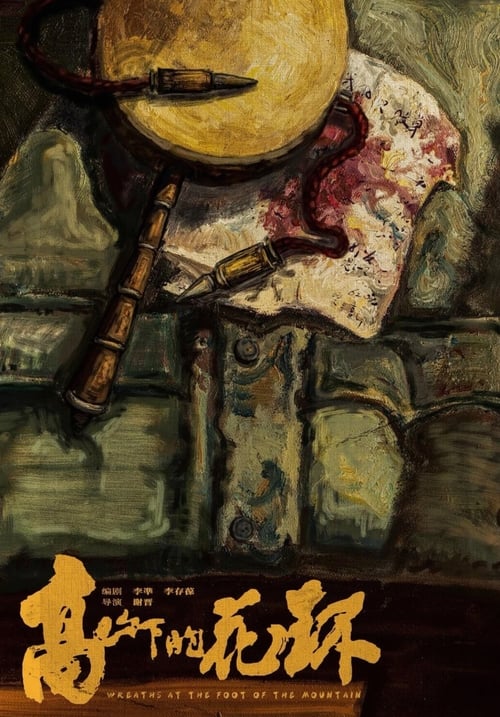
Wreaths at the Foot of the Mountain is a 1984 Chinese film about the life of the soldiers in a PLA army company before, during and after the Sino-Vietnamese War.
2022
1959
1992
1962
1976
1988
1971

1989
No reviews yet. Be the first to share your thoughts on this movie!
Use the rating form above to leave a star rating and optional review.