
Tank Battalion
1958
No user ratings available yet
Representation score: 0.2 out of 10
Representation Score
Minimal
1952
ApprovedDirector
Joseph H. Lewis
Runtime
95 minutes
Average Rating
No ratings yetNew Showbiz Analysis
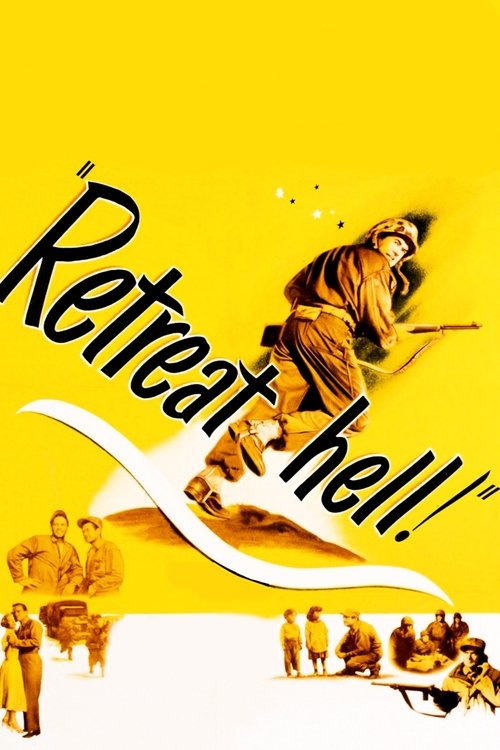
Retreat, Hell! is a mid-century war drama centered on the survival of a U.S. Marine battalion during the Korean War. The film adheres to the social and cinematic norms of 1952, emphasizing traditional storytelling and genre conventions. The narrative is structured around traditional military hierarchies and patriotic themes. This results in a predominantly male-focused storyline that aligns with the era's typical war cinema. While physical injuries are used to drive the plot, the film lacks nuanced representations of disability or multi-layered identities.
Category Breakdown
The film does not include any LGBTQ+ characters or stories. It focuses on the traditional values and social structures of the early 1950s.
The story centers on a U.S. Marine battalion and emphasizes traditional masculine roles and leadership. It reinforces conventional gender norms.
The film shows conflict between U.S. Marines and Chinese soldiers. It follows a typical 'us vs. them' structure without challenging racial stereotypes.
The story highlights mid-century Western values such as patriotism and military service. Traditional institutions are portrayed as central to the plot.
Physical injuries are used as plot devices to create tension. There is no detailed exploration of disabilities or neurodivergence.
Present on Screen
Limited or Absent
Official Synopsis
During the Korean War, a U.S. Marine battalion must fight its way out of a frozen mountain pass despite diminishing supplies, freezing temperatures and constant attacks by overwhelming numbers of Chinese soldiers.
1958
1962
1961
1949
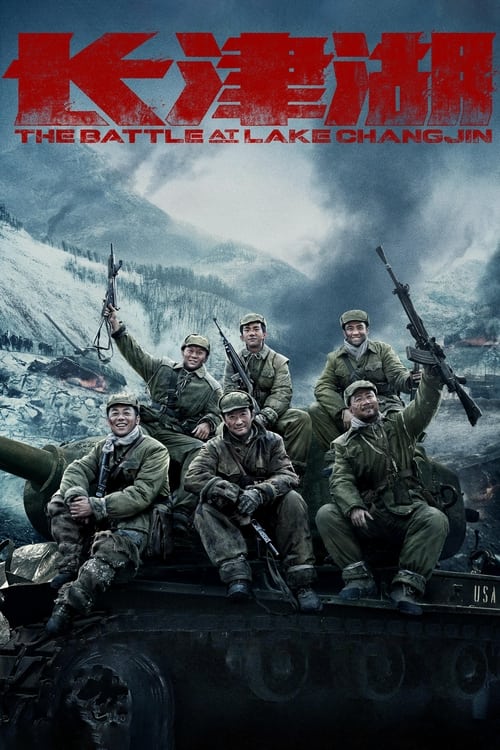
2021
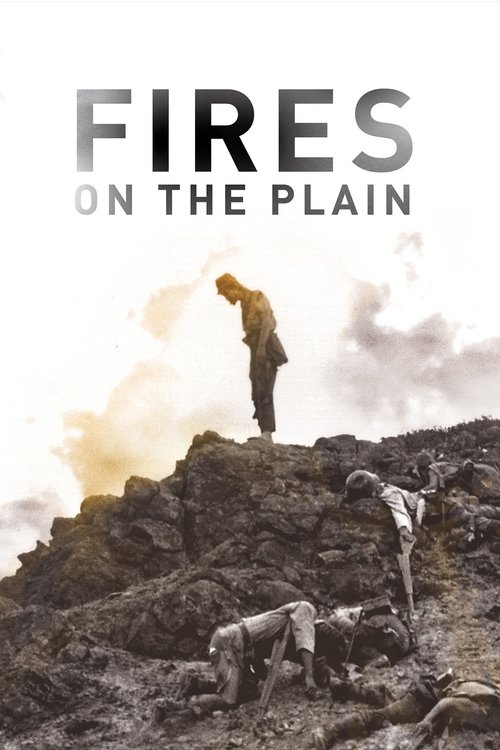
1959
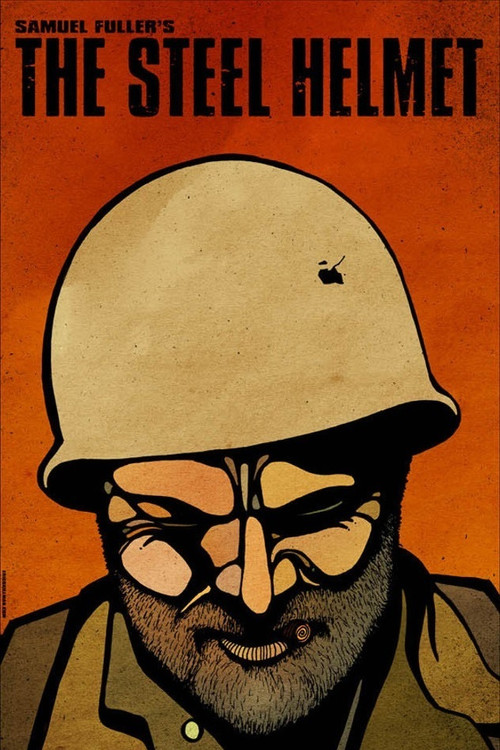
1951

1977
No reviews yet. Be the first to share your thoughts on this movie!
Use the rating form above to leave a star rating and optional review.