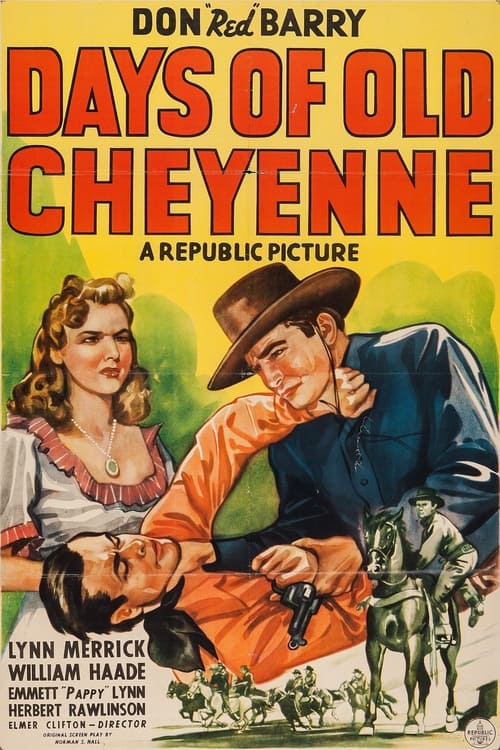
Days of Old Cheyenne
1943
No user ratings available yet
Representation score: 1.0 out of 10
Representation Score
Minimal
1941
ApprovedDirector
Ray Taylor
Runtime
57 minutes
Average Rating
No ratings yetNew Showbiz Analysis
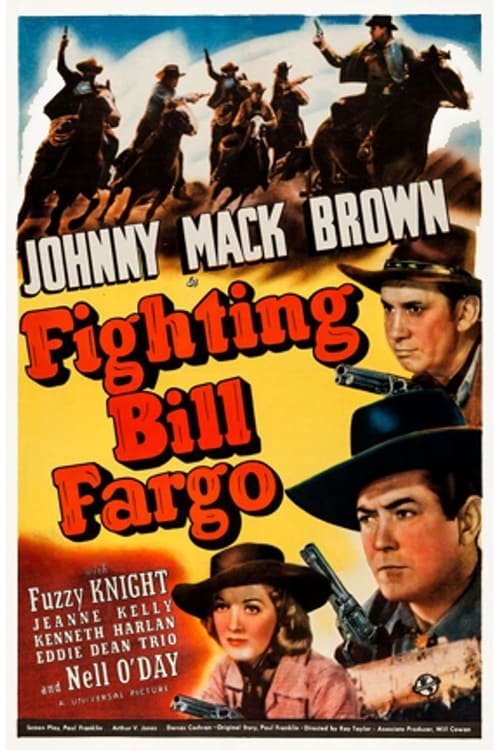
Fighting Bill Fargo is a genre piece that reinforces established social hierarchies. The story structure relies on traditional heroism and clear moral binaries, avoiding any complexity that would challenge systemic norms. The narrative centers on individual integrity versus local corruption, operating within a framework that protects civic institutions like newspapers and sheriff’s offices. It lacks the depth needed to critique power structures or engage with multi-layered themes. Ultimately, the film exemplifies mid-century mainstream cinema, prioritizing traditional storytelling over any intentional social critique.
Category Breakdown
The film does not include any non-straight or non-cisgender identities. The character dynamics are based on the assumption that everyone is straight or cisgender.
The story focuses primarily on male characters, such as Bill Fargo and the antagonist Hackett. Women have limited roles and do not significantly influence the plot.
The cast is predominantly white, reflecting the demographics typical of 1940s Westerns. There is no intentional effort to blend different races.
The film highlights traditional Western values and emphasizes the importance of civic institutions. It upholds a singular moral viewpoint without questioning established traditions.
No visible or invisible disabilities are shown. Characters are depicted using standard physical types without addressing neurodivergence or physical impairments.
Present on Screen
Limited or Absent
Official Synopsis
Johnny Mack Brown essays the title role in Universal's Fighting Bill Forgo. Returning to his home town, Bill Fargo takes over the operation of his late father's newspaper. He quickly gets swept up in political intrigue fomented by political boss Hackett (Kenneth Harlan), who has a cute habit of rubbing out any and all honest candidates for the sheriff's office.
1943
1940
1939
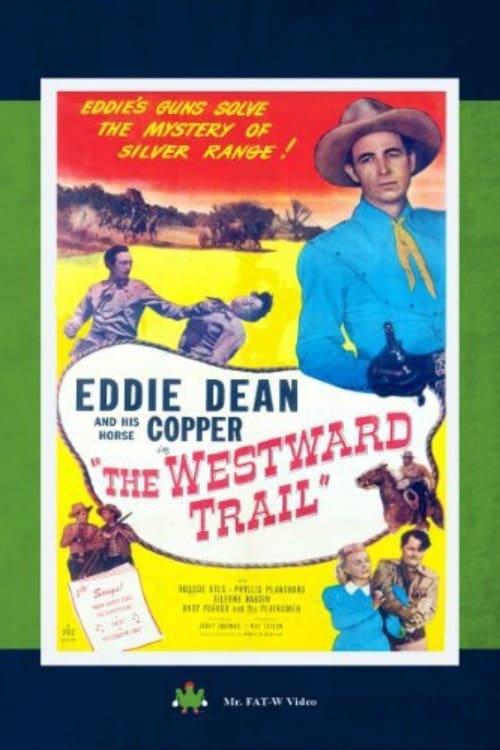
1948
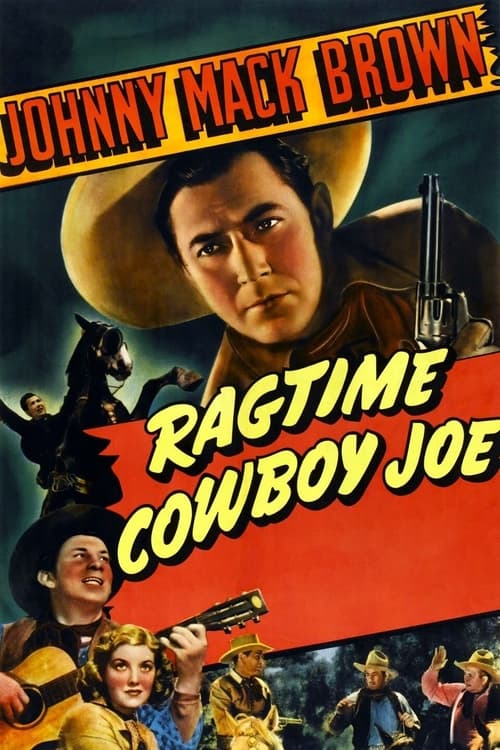
1940
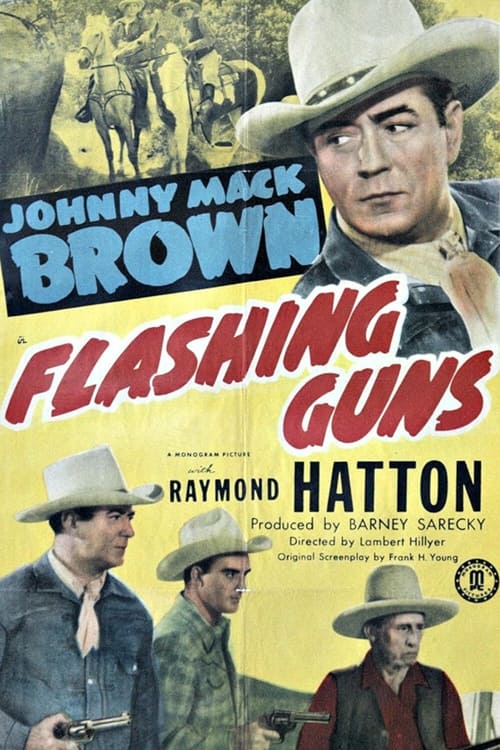
1947
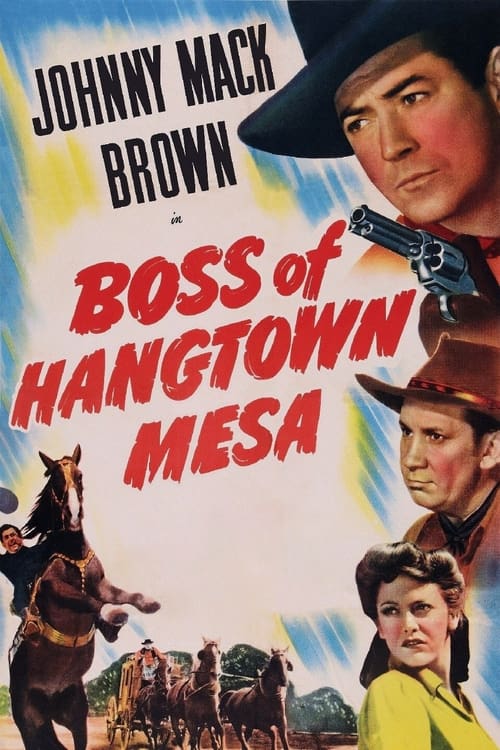
1942
1946
No reviews yet. Be the first to share your thoughts on this movie!
Use the rating form above to leave a star rating and optional review.