
Arizona Cyclone
1941
No user ratings available yet
Diversity score: 1.7 out of 10
1942
ApprovedDirector
Joseph H. Lewis
Runtime
58 minutes
Average Rating
No ratings yetSynopsis
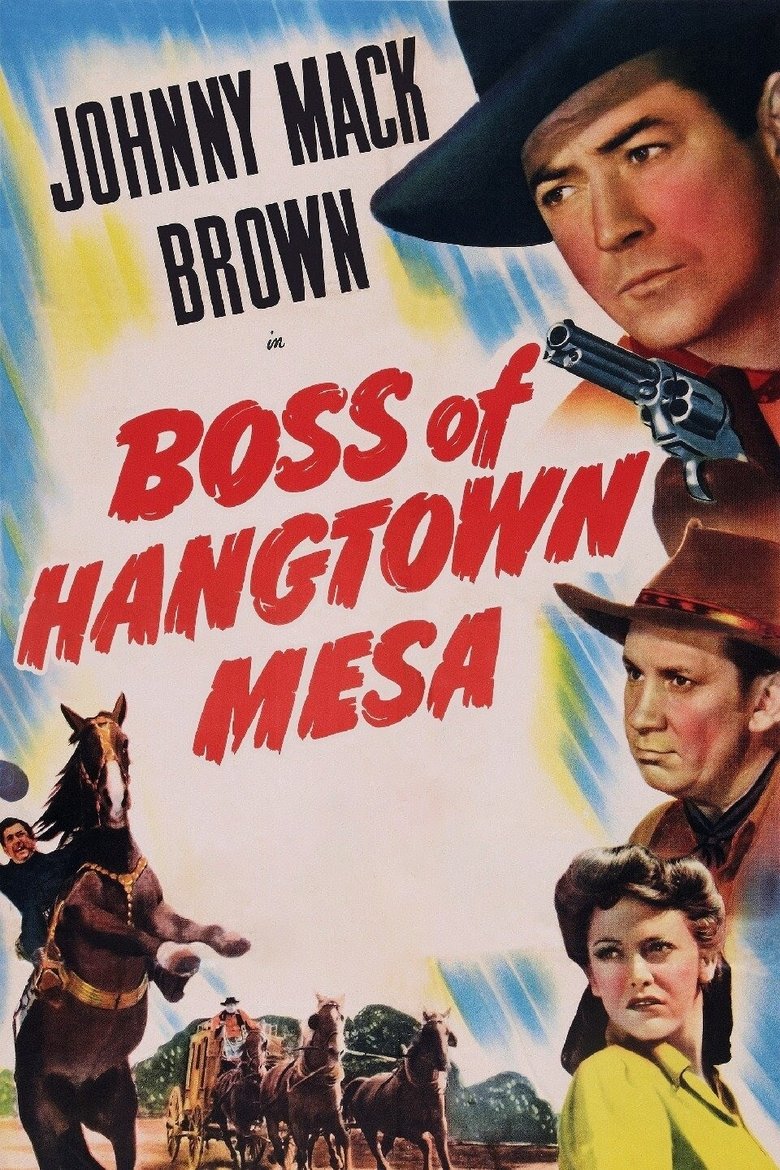
It is now an accepted fact that the best of Johnny Mack Brown's Universal westerns were directed by the talented Joseph H. Lewis. Boss of Hangtown Mesa may not be in the same league as the Brown-Lewis classic Arizona Cyclone, but it comes awfully close. This time around, hero Steve Collins (Brown) comes to the aid of Betty Wilkins (Helen Deverell), who has taken over the telegraph-line business established by her uncle John (Henry Hall). The latter was murdered by outlaws who don't cotton to having the territory linked up electronically with the rest of the world.
Overall Score
Limited
Category Breakdown
LGBTQ+ Representation
The film lacks any presence of queer identities or non-heteronormative subtext. It adheres strictly to the binary social structures of the 1940s Hollywood frontier.
Gender Representation
Betty Wilkins shows economic agency by managing a telegraph business. However, the narrative ultimately positions her as a figure requiring protection from the male hero.
Racial & Ethnic Diversity
The casting reflects the homogeneous norms of 1940s Westerns. There is no evidence of significant racial blending or non-Anglo-Saxon characters with meaningful agency.
Religious & Cultural Diversity
The story focuses on Western expansion and technological progress through telegraph lines. It reinforces mid-century values regarding order and the establishment of frontier infrastructure.
Disability Representation
There are no documented instances of characters with visible or invisible disabilities integrated into the narrative or used as plot devices.
Strengths
Areas for Improvement
AI Analysis
Boss of Hangtown Mesa is a quintessential product of the 1940s studio system, functioning as a traditionalist Western that reinforces established social hierarchies. The narrative relies on standard tropes, centering a heroic male protagonist and a female figure needing stabilization. While the film offers a minor subversion through Betty Wilkins's business management, it ultimately upholds conventional norms. The conflict serves to validate the integration of the territory into a broader social and technological fabric, rather than questioning frontier institutions.
1941
1940
1940
1937
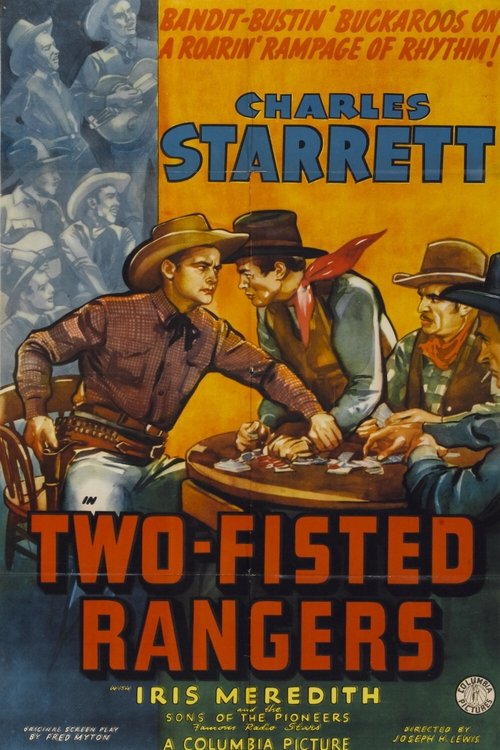
1939
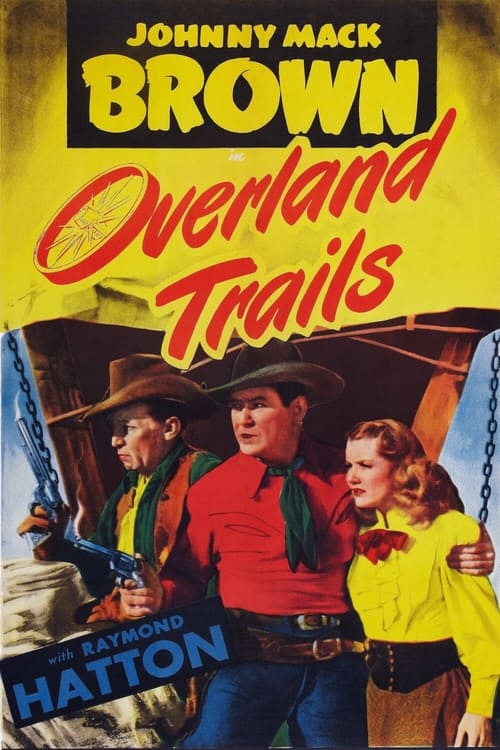
1948
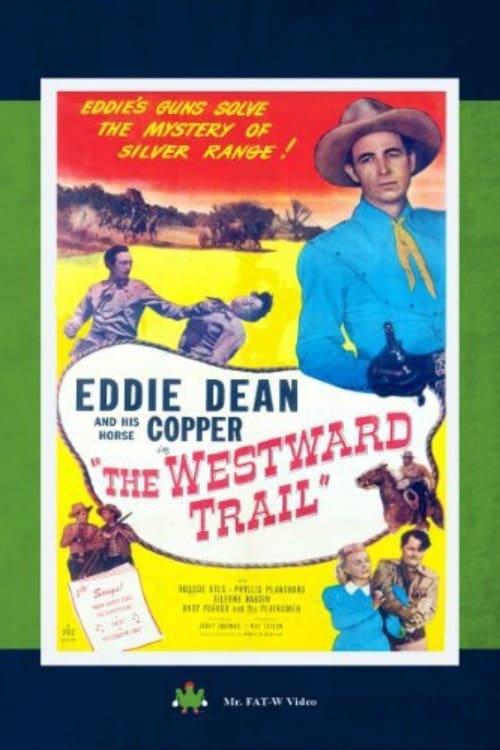
1948

1946
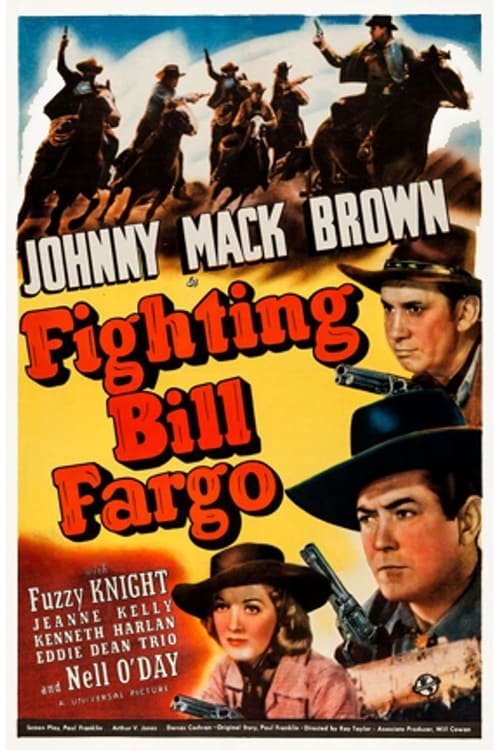
1941

1948
1947
1948
No reviews yet. Be the first to share your thoughts on this movie!
Use the rating form above to leave a star rating and optional review.