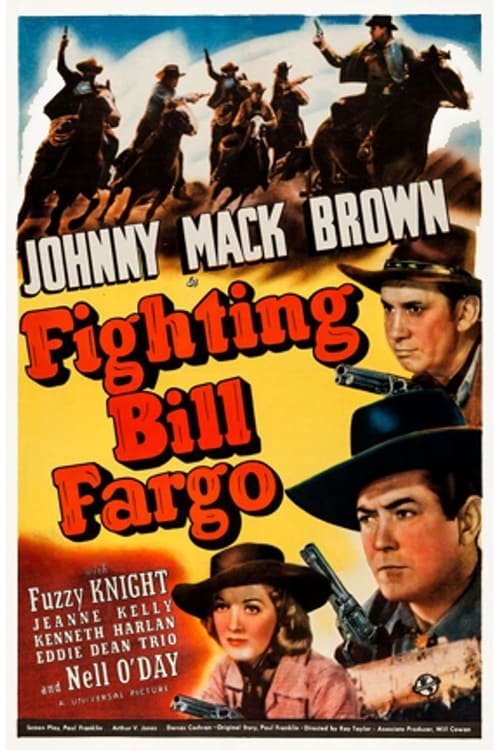
Fighting Bill Fargo
1941
No user ratings available yet
Representation score: 0.6 out of 10
Representation Score
Minimal
1940
ApprovedDirector
Ray Taylor
Runtime
56 minutes
Average Rating
No ratings yetNew Showbiz Analysis
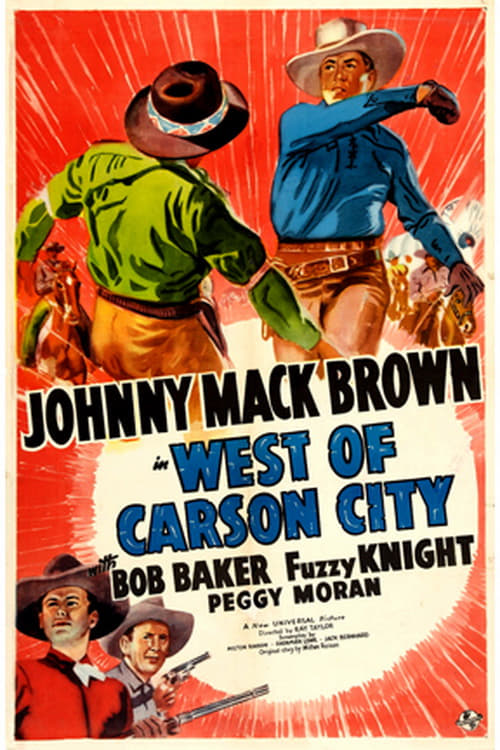
West of Carson City is a quintessential B-Western that reinforces the rigid social hierarchies of its era. The narrative is driven by traditional masculine archetypes, focusing on physical prowess and individual heroism to restore order in a gold-rush community. The film lacks meaningful representation across most diversity metrics. It centers on Anglo-Saxon archetypes and white-on-white regional conflict, offering no space for racial or cultural diversity. Gender roles are strictly traditional, with ability to act reserved for the male lead. Ultimately, the film functions as a standard genre piece. It prioritizes action and moral clarity over any attempt to disrupt or expand upon the social norms of 1940s cinema.
Category Breakdown
The film follows the conventions that assume everyone is straight or cisgender, typical of 1940s Westerns. There is no indication of LGBTQ+ identities or same-sex relationships.
The narrative focuses almost entirely on the male protagonist, Jim Bannister, who embodies traditional masculine archetypes. Female characters have limited structural power and play minor roles.
The story centers on a gold-rush community dominated by Anglo-Saxon archetypes. Conflict is framed as a regional struggle between locals and Easterners, with little acknowledgment of a diverse racial landscape.
The film upholds clear-cut moral standards through the lens of individual heroism. It emphasizes conventional justice and community stability within a traditional Western framework.
There is no evidence of characters with disabilities portrayed with significant roles. The focus on physical brawls prioritizes able-bodied dominance as the primary means of resolution.
Present on Screen
Limited or Absent
Official Synopsis
West of Carson City remains one of the best of Johnny Mack Brown's Universal westerns. The story takes place in a gold-rush community where the locals are taken to the cleaners by duplicitious Eastern gamblers. When it becomes obvious that the local constabulary has been "bought off" by the crooks, two-fisted cattleman Jim Bannister (Brown) swings into action. The film's highlight is an outsized fistic brawl between the hero and secondary villain Breed, played by loose-limbed comic stuntman Frank Mitchell.
1941
1947
1940
1943
1936

1940
1950
1948
No reviews yet. Be the first to share your thoughts on this movie!
Use the rating form above to leave a star rating and optional review.