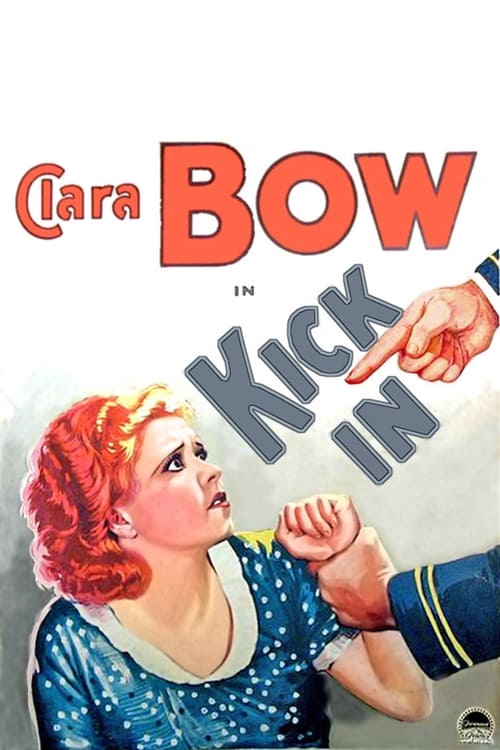
Kick In
1931
No user ratings available yet
Representation score: 2.0 out of 10
Representation Score
Minimal
1931
NRDirector
Max Marcin, Louis J. Gasnier
Runtime
70 minutes
Average Rating
No ratings yetNew Showbiz Analysis
The film is a conventional crime drama that adheres strictly to the social and demographic norms of the early 1930s. The narrative structure is built around male-driven conflict and traditional archetypes of masculinity and criminality. Representation is minimal across most categories. The story centers on a narrow social underworld, lacking depth in diverse casting. Female characters have little control over their actions, serving mostly as reactive participants in the male-dominated plot. Ultimately, the film functions as a product of the studio system's era, prioritizing established social orders and clear-cut morality over any disruption of traditional hierarchies.
Category Breakdown
The film does not depict any non-straight relationships or same-sex intimacy. It focuses on traditional crime themes common to early 1930s dramas.
Men like Joe Hart and The Weasel play key roles in driving the plot. Laurie Roberts mainly reacts to the actions of men, committing crimes due to their influence.
The story focuses on a specific social underworld without showing a multi-ethnic cast. It follows the homogeneous, Anglo-centric casting typical of the era.
Themes of corruption and criminality are framed through individual moral failures. The story follows standard crime trajectories without broader cultural critique.
There are no characters with visible or invisible disabilities mentioned in the narrative.
Present on Screen
Limited or Absent
Official Synopsis
Sailor Joe Hart, who is spending his shore leave at a gambling joint, sells his gun to young Laurie Roberts after losing terribly. After Hart again loses his last dime, he leaves the joint and steals a car in order to return to his ship. Later that night, a tough gambler named "The Weasel" convinces Laurie, who also lost badly, that Baldy, the joint's owner, is crooked, and they both return to the joint to break open the safe. During the holdup, The Weasel kills Baldy with Joe's gun and, after being picked up for speeding, Joe is arrested for murder.
1931
1939
1932
1926
1929
1932
1937
1930
No reviews yet. Be the first to share your thoughts on this movie!
Use the rating form above to leave a star rating and optional review.