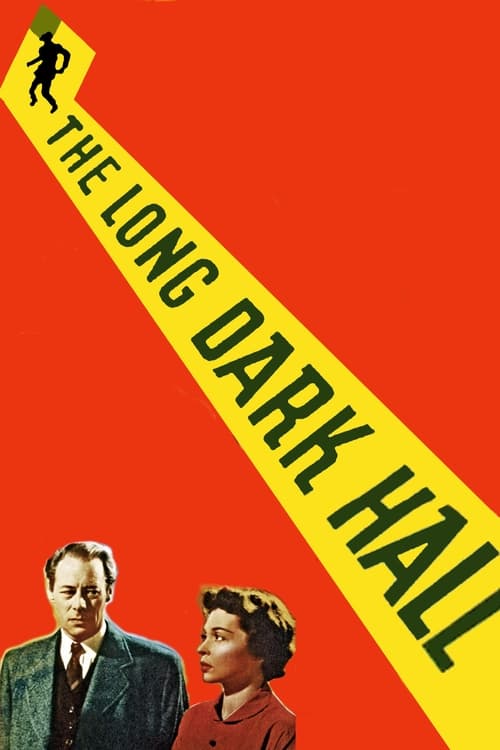
The Long Dark Hall
1951
No user ratings available yet
Representation score: 1.6 out of 10
Representation Score
Minimal
1954
ApprovedDirector
Lance Comfort
Runtime
87 minutes
Average Rating
No ratings yetNew Showbiz Analysis
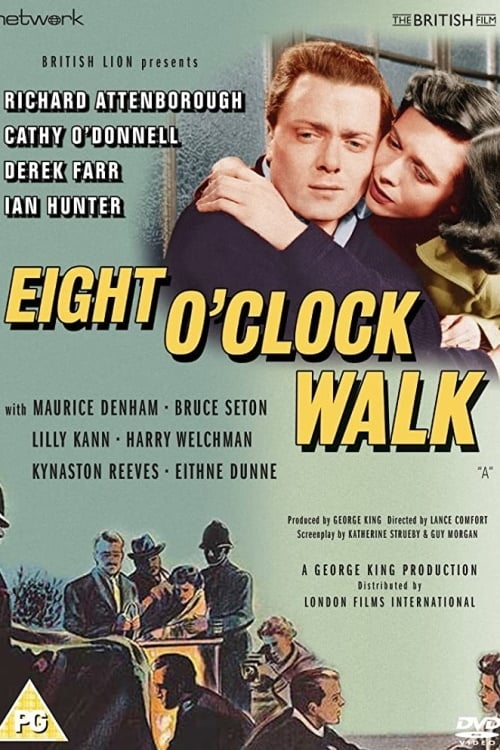
Eight O'Clock Walk is a mid-century noir that emphasizes atmospheric tension and psychological depth over progressive social representation. The film centers on the fatalistic struggles of the working class and the ambiguity of legal innocence. While the film provides a nuanced look at individual morality and the pressures of the post-war era, it remains a product of its time. It relies on traditional genre structures rather than the layered complexity found in modern cinema. The narrative structure focuses on a protagonist's battle against systemic justice, but it does not challenge social hierarchies or diverse identity politics.
Category Breakdown
The film does not include any LGBTQ+ characters or explore non-straight identities. It adheres to the social norms of 1950s British cinema.
Female characters have ability to act through complex motivations and the femme fatale cliché. However, their power is often tied to their relationships with the male protagonist.
The cast and setting are predominantly Anglo-Saxon, with no significant racial diversity or characters from non-white backgrounds.
The story explores moral ambiguity and the struggle against systemic legal structures. It focuses on the fatalistic journey of the main character rather than an explicit critique of institutions.
There are no visible depictions of physical, sensory, or neurodivergent disabilities within the main character arcs.
Present on Screen
Limited or Absent
Official Synopsis
Only a British cabdriver's (Richard Attenborough) wife (Cathy O'Donnell) and lawyer (Derek Farr) believe him innocent of killing a little girl.
1951
1954
1967
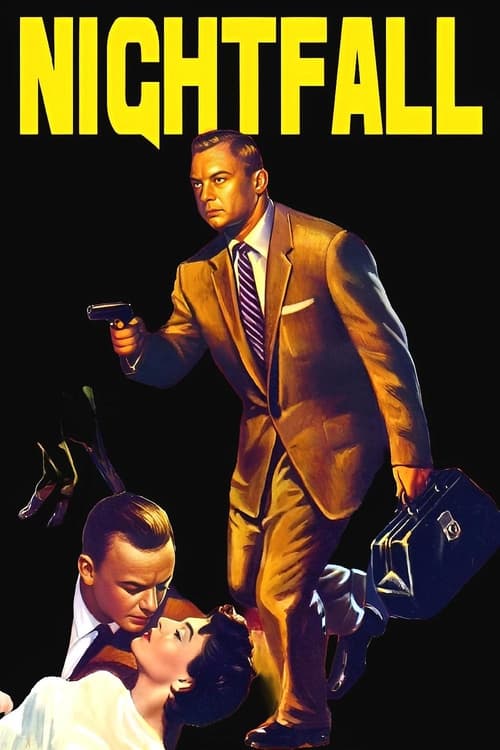
1956
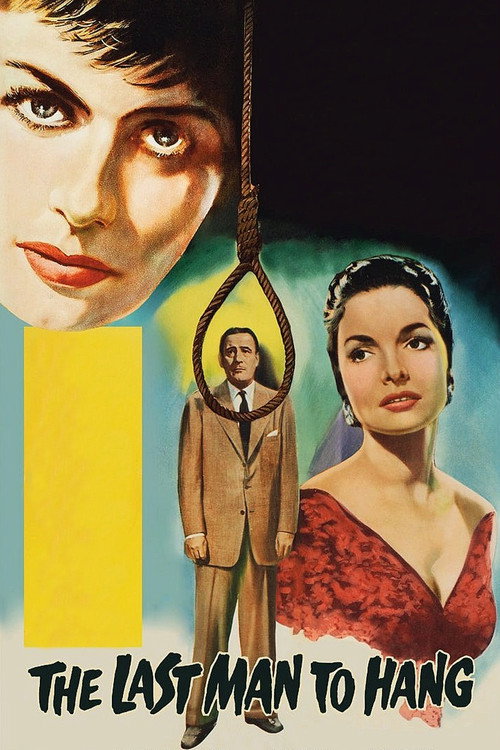
1956
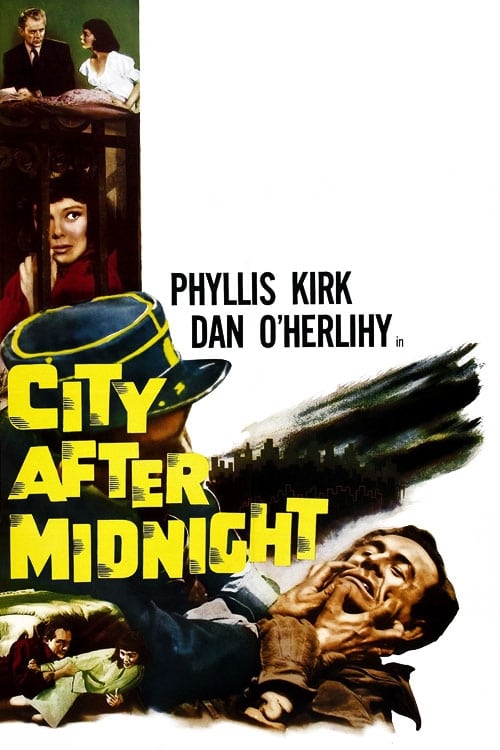
1957
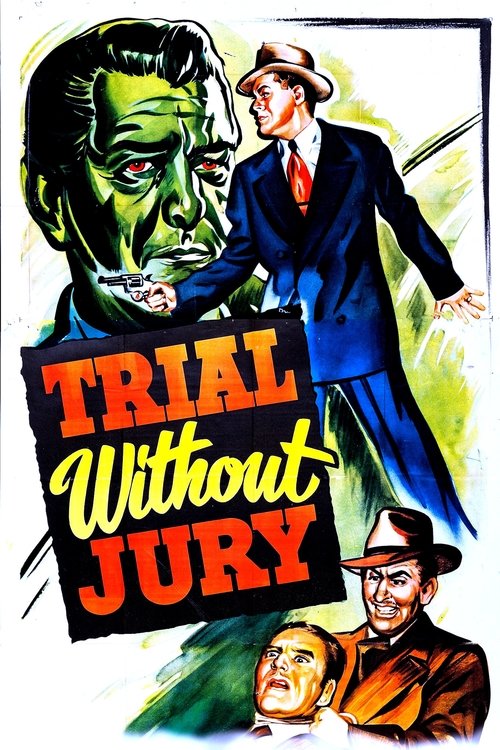
1950
1951
No reviews yet. Be the first to share your thoughts on this movie!
Use the rating form above to leave a star rating and optional review.