
The End of the Line
1957
No user ratings available yet
Representation score: 1.4 out of 10
Representation Score
Minimal
1951
NRDirector
Anthony Bushell, Reginald Beck
Runtime
86 minutes
Average Rating
No ratings yetNew Showbiz Analysis
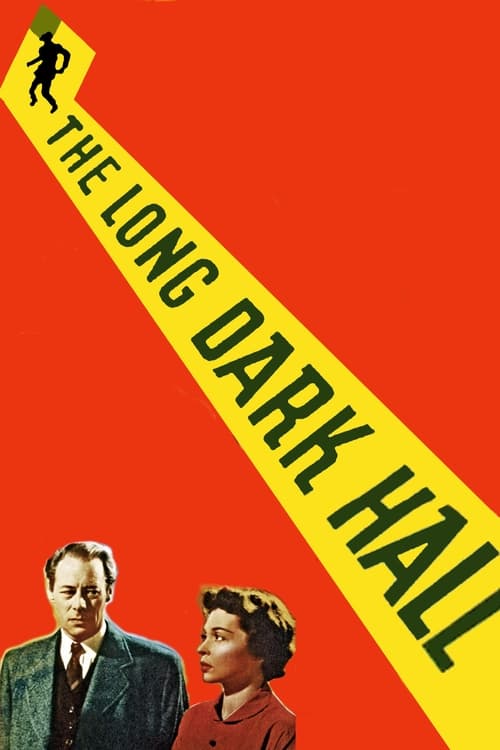
The Long Dark Hall is a typical mid-century crime drama that adheres closely to the social norms of 1951. The narrative structure relies on conventional gender and moral clichés, offering little deviation from the era's standards. Gender roles are highly traditional, with the male lead positioned as a protector and the female lead as a tragic figure defined by her instability. This dynamic reinforces a hierarchy where women rely on male intervention. Overall, the film lacks intentional representation of diverse identities. It serves as a period piece that upholds established social norms rather than challenging them.
Category Breakdown
The film does not include any characters with non-binary gender identities. The story revolves around a traditional family man and a showgirl.
Women are portrayed as beautiful but unstable showgirls. The narrative emphasizes a protector/protected dynamic driven by the male protagonist's actions.
The film likely features a predominantly white cast typical of mid-century Western crime dramas. There is no indication of diverse ethnic or racial representation.
The story highlights mid-century moral frameworks centered on individual morality and the preservation of social order. It does not challenge Western institutions.
Alcoholism is a central plot element, serving as a moral cautionary tale rather than a nuanced exploration of substance use disorder.
Present on Screen
Limited or Absent
Official Synopsis
A devoted family man tries to help a beautiful alcoholic showgirl with her life, and becomes the the only suspect when someone else murders her.
1957
1950
1950
1953
1956
1954
1967
1950
No reviews yet. Be the first to share your thoughts on this movie!
Use the rating form above to leave a star rating and optional review.