
Criminal Court
1946
No user ratings available yet
Representation score: 0.6 out of 10
Representation Score
Limited
1960
NRDirector
Roy Del Ruth
Runtime
86 minutes
Average Rating
No ratings yetNew Showbiz Analysis
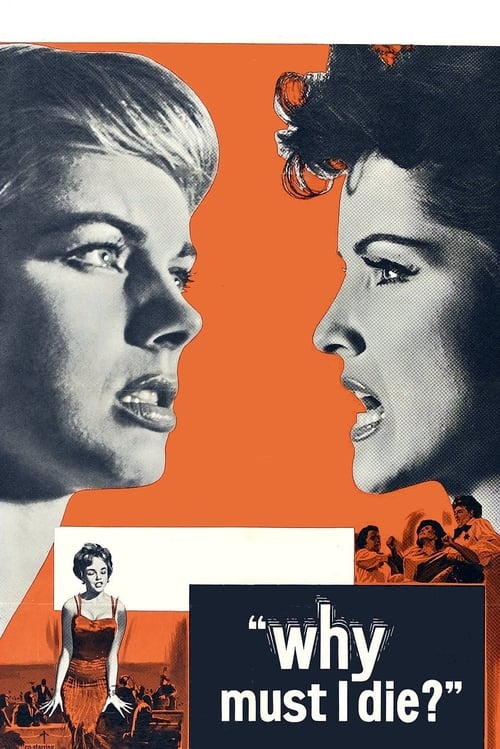
Why Must I Die operates strictly within the conventional boundaries of mid-century crime cinema. It follows established genre clichés, focusing on a nightclub singer's legal struggle without attempting to challenge social hierarchies or introduce diverse representation. The film's perspective is largely homogeneous, mirroring the demographic norms of 1960s studio filmmaking. While it touches on institutional corruption, these themes serve the plot rather than providing a broader critique of social structures. Ultimately, the work lacks the diverse casting and intentional representation needed to move beyond a standard, traditional narrative framework.
Category Breakdown
The film does not include any visible LGBTQ+ characters, sticking to a traditional crime drama format.
The story centers around a male-dominated perspective typical of 1960s prison dramas. A female character is present but is defined by her relationship to a male figure.
The film reflects the demographic homogeneity of its time period. There is no indication of a diverse cast or any non-Anglo-Saxon majority within the social environment.
The narrative critiques the fallibility of the judicial system through a wrongful conviction cliché. It focuses on traditional justice-seeking rather than radical systemic or cultural critiques.
There is no evidence of characters with visible or invisible disabilities. Disability does not serve as a central narrative driver or a tool for character's ability to drive the story.
Present on Screen
Limited or Absent
Official Synopsis
A night club singer who is the daughter of a small-town crook is tried and convicted of murder.
1946

1958

1951

1950
1940

1957

1950
1962
No reviews yet. Be the first to share your thoughts on this movie!
Use the rating form above to leave a star rating and optional review.