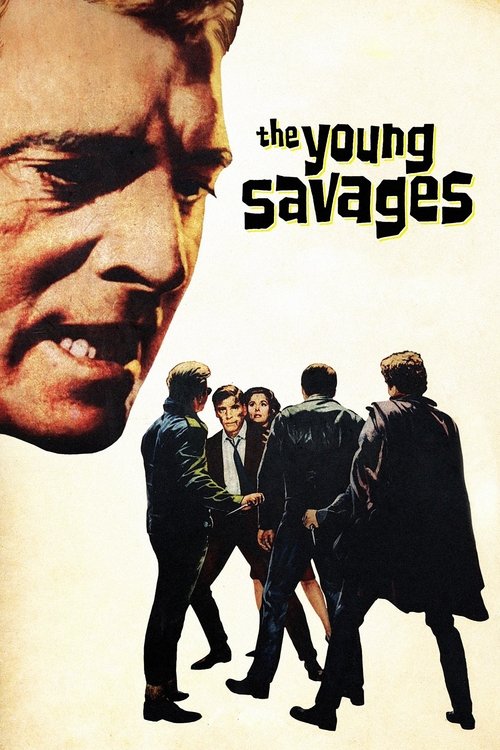
The Young Savages
1961
No user ratings available yet
Representation score: 3.4 out of 10
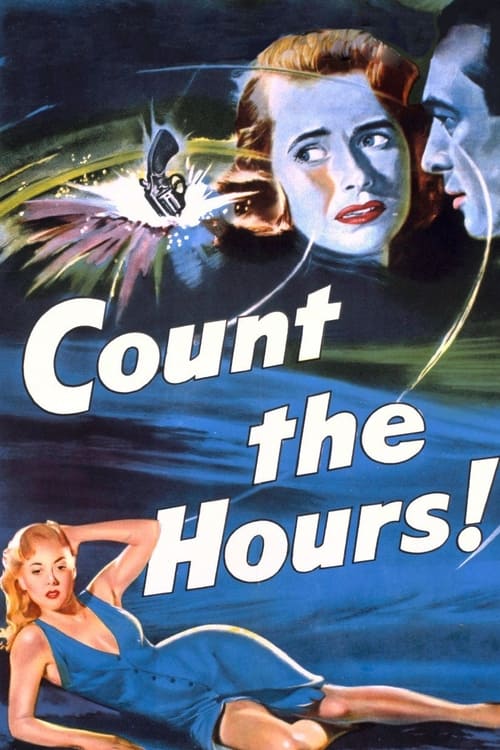
Representation Score
Limited
1953
NRDirector
Don Siegel
Runtime
76 minutes
Average Rating
No ratings yetNew Showbiz Analysis
Count the Hours! is a typical product of the 1953 Hollywood studio system. It prioritizes traditional crime drama clichés over any meaningful social critique. The film reinforces mid-century hierarchies, especially regarding gender and race. While it explores the tension between individuals and their communities, it does so within a framework that upholds existing social orders. Ultimately, the production lacks diverse representation, functioning as a conventional genre piece.
Category Breakdown
The film does not include any LGBTQ+ characters or non-cisgender identities. It follows a traditional mid-century framework without any queer undertones.
Female characters primarily serve as emotional support for male characters. The story centers around male-driven conflicts and traditional masculinity.
The cast is mainly white, reflecting the demographics of the 1950s. Although a migrant worker is mentioned, the film maintains a predominantly white social structure.
The story emphasizes personal morality and social reintegration within established legal systems. It reinforces traditional Western institutions without challenging them.
The film does not feature any prominent characters with visible or invisible disabilities. All characters are portrayed within a standard physical and neurotypical framework.
Present on Screen
Limited or Absent
Official Synopsis
A lawyer defends a migrant worker in a sensational murder trial.
1961
1959
1956

1958
1947
1955

1954
1948
No reviews yet. Be the first to share your thoughts on this movie!
Use the rating form above to leave a star rating and optional review.