Hot Ashes
2018
No user ratings available yet
Representation score: 7.9 out of 10
Representation Score
Fair
2008
Director
Kazuyoshi Kumakiri
Runtime
105 minutes
Average Rating
No ratings yetNew Showbiz Analysis
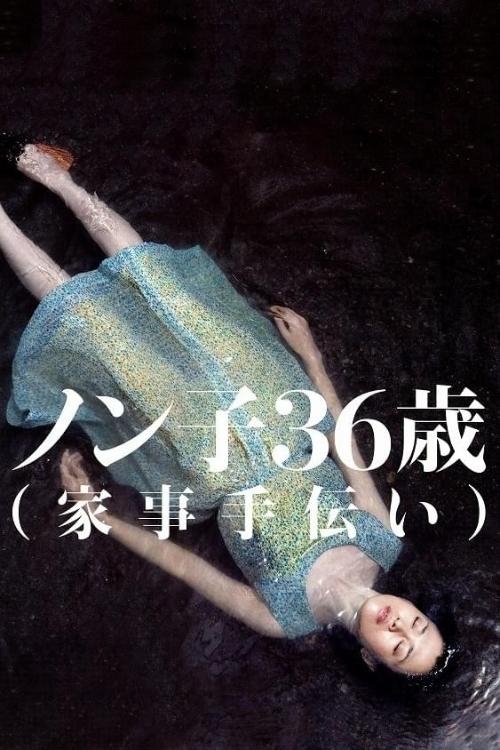
The film provides a grounded character study that deconstructs traditional social expectations. By focusing on a woman navigating the aftermath of failed ambitions and marriage, the film avoids idealizing female archetypes. However, the narrative remains culturally and socially narrow. The lack of racial diversity and LGBTQ+ representation confines the exploration to a specific, homogeneous social framework. Ultimately, the film's strength lies in its psychological depth and its portrayal of dysfunction within traditional family structures, rather than presenting them as stable ideals.
Category Breakdown
The film does not include any explicit LGBTQ+ characters or non-straight relationships. The story focuses on a failed marriage and a return to traditional family structures.
The story challenges the idea of idealized female success by focusing on a protagonist who has struggled both professionally and personally. It examines the social hierarchy that values women based on their marital status.
The setting and cast suggest a homogeneous Japanese social environment. There is no indication of racial diversity or inclusion of different ethnicities within the main narrative.
The film offers a nuanced look at traditional institutions through the lens of a family-run Shinto shrine. It explores the tension between individual freedom and the strict expectations of family traditions.
There is no mention of characters with visible or invisible disabilities. The film does not address neurodivergent or physical disability experiences.
Present on Screen
Limited or Absent
Official Synopsis
Nobuko tried to be successful as an actress in Tokyo (stage name ‘Nonko’), but wasn’t popular. She married her manager and soon divorced. Now a once-divorced woman in her mid-30s, she returns home to the Shinto shrine that her family runs, to help out with domestic chores. Her father is always in a stubborn rage, her mother is always trying to calm things down. However, Nonko’s married sister, who already has a daughter, scathingly says of Nonko, “It’s all over for her.”
2018

1951
1951
1960
2024
1981
2023
1958
No reviews yet. Be the first to share your thoughts on this movie!
Use the rating form above to leave a star rating and optional review.