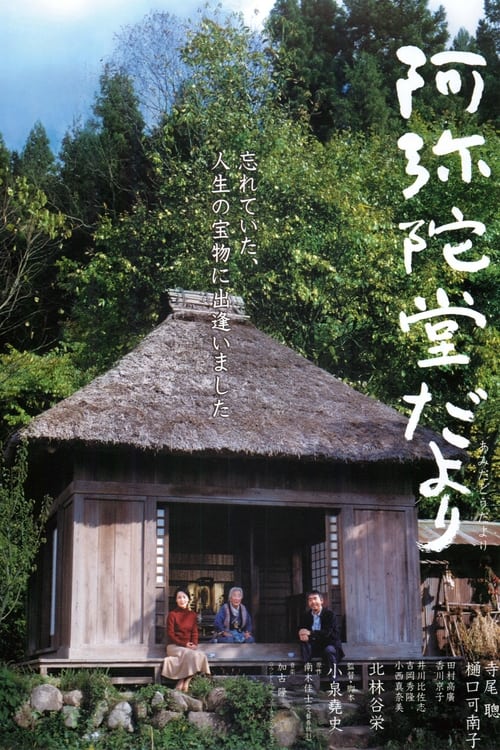
Letter from the Mountain
2002
No user ratings available yet
Representation score: 4.5 out of 10
Representation Score
Limited
2015
Director
Yuzo Asahara
Runtime
125 minutes
Average Rating
No ratings yetNew Showbiz Analysis
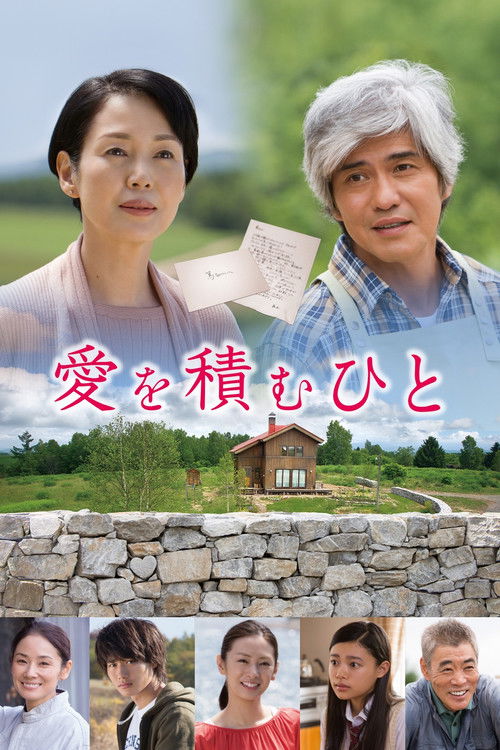
This Japanese drama centers on themes of domestic life and personal resilience. It explores family bonds and the value of manual labor without seeking to disrupt social norms. Since the narrative adheres to traditional structures, it lacks depth in representing multiple aspects of identity. The story focuses on a typical married couple and the restoration of a family after a tragedy. Overall, the film provides a cohesive experience reflecting its specific cultural context but does not address broader issues of diversity.
Category Breakdown
The film focuses on a traditional marriage between Atsushi and Ryoko, with no visible presence of LGBTQ+ identities or non-conforming gender narratives.
Ryoko takes charge by managing household tasks, but the story centers on the male protagonist. The film follows a conventional domestic structure without challenging traditional gender roles.
Set in Hokkaido, the film features a cast and setting that are predominantly Japanese. It does not include diverse casting to challenge demographic norms.
The narrative emphasizes traditional values such as family unity and the respect for manual labor. It focuses on restoring the family unit without questioning traditional structures.
The film does not feature characters dealing with physical, neurodivergent, or mental health challenges. There is no representation of disability in the narrative.
Present on Screen
Limited or Absent
Official Synopsis
Atsushi and Ryoko are a married coupled. They decide they want to live around nature and move to Biei in Hokkaido, Japan. Atsushi isn't sure what to do with his free time, so Ryoko asks him build a stone wall around their house. Atsushi experiences tragedy, but later gets closer to his estranged daughter, Satoko. Atsushi continues building the stone wall.
2002
2014
2016

1960

2022
2016
2019
2018
No reviews yet. Be the first to share your thoughts on this movie!
Use the rating form above to leave a star rating and optional review.