Just Ducky
1953
No user ratings available yet
Representation score: 1.6 out of 10
Representation Score
Minimal
1949
NRDirector
William Hanna, Joseph Barbera
Runtime
8 minutes
Average Rating
No ratings yetNew Showbiz Analysis
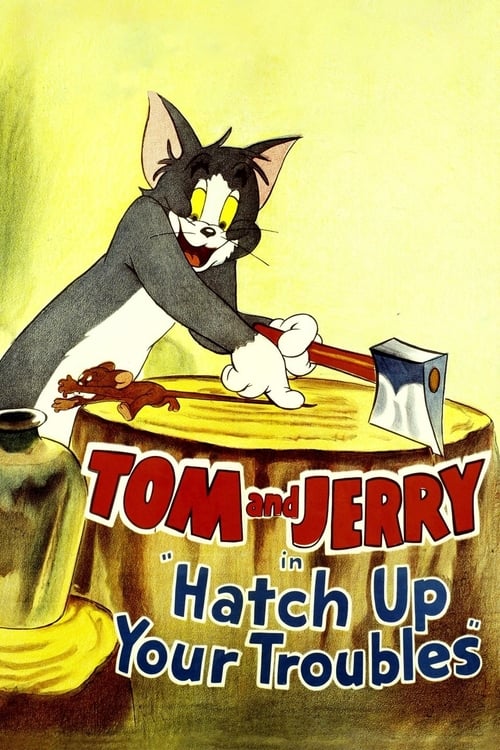
Hatch Up Your Troubles is a classic comedic short that relies on established mid-20th-century genre conventions. The narrative focuses on the instinctual bond between a mouse and a baby woodpecker, emphasizing survival and caretaking. Given that the characters are animals, the film does not engage with human racial, ethnic, or religious identities. The storytelling is centered on individual survival and biological clichés of caretaking. Ultimately, the film operates as a traditional piece of animation that does not challenge or disrupt social hierarchies, resulting in limited engagement with diversity.
Category Breakdown
The story centers on the relationship between a mouse and a baby woodpecker, highlighting parental instincts and interspecies kinship. It does not include any queer subtext or characters with non-cisgender identities.
The film showcases nurturing and protective roles between a mouse and a bird. However, it follows traditional comedic archetypes without challenging gender hierarchies.
Since the characters are animals, there is no human racial or ethnic diversity represented. The cast being non-human means the film cannot engage with human racial diversity.
The story follows a traditional hero versus antagonist structure, emphasizing themes of guardianship and protection. It aligns with conventional Western moralities without subverting cultural norms.
There are no characters with visible or invisible disabilities in the film. The slapstick physical comedy does not represent neurodivergence or impairment.
Present on Screen
Limited or Absent
Official Synopsis
A baby woodpecker mistakes Jerry for his mother. The mouse rejects the newly hatched bird but soon finds himself protecting it against his feline nemesis, Tom.
1953
1956
1955
1950

1954
1957
1954

1944
No reviews yet. Be the first to share your thoughts on this movie!
Use the rating form above to leave a star rating and optional review.