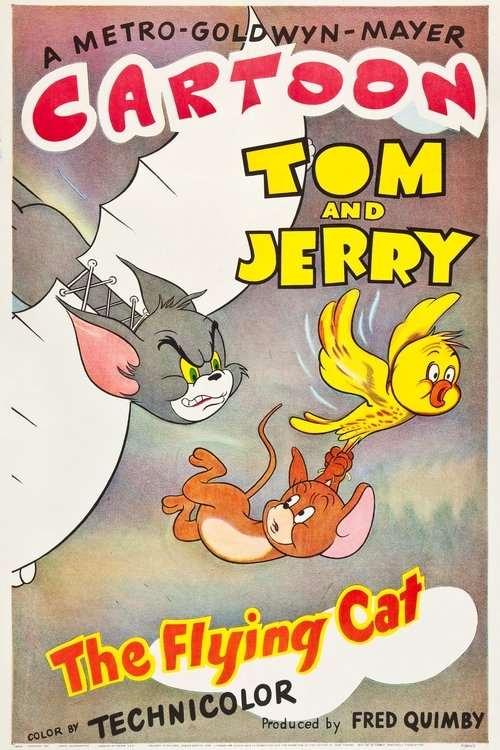
The Flying Cat
1952
No user ratings available yet
Representation score: 0.5 out of 10
Representation Score
Minimal
1955
NRDirector
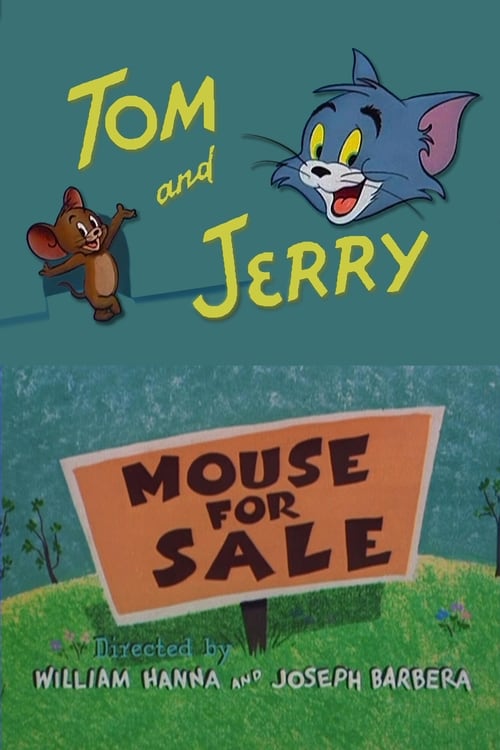
William Hanna, Joseph Barbera
Runtime
7 minutes
Average Rating
No ratings yetNew Showbiz Analysis
Mouse for Sale is a mid-century slapstick short that prioritizes physical gags over social depth. The narrative structure relies on established character archetypes and cyclical conflict rather than any intentional exploration of identity. The film's central conceit—altering a character's appearance to meet a specific aesthetic demand—reinforces social hierarchies rather than challenging them. This focus on forced assimilation for marketability defines the work's limited social scope. Ultimately, the film operates within a narrow, transactional framework. It lacks the complexity required for meaningful representation across most modern diversity metrics.
Category Breakdown
The film does not include any LGBTQ+ characters or narratives. The story focuses solely on the physical comedy between the animal characters.
No female characters or gender-specific dynamics are present. The conflict revolves around male-coded slapstick humor typical of the time.
The plot uses color as a metaphor for value, showing a brown mouse being painted white. This depicts superficial conformity to meet exclusionary market standards.
The narrative reflects mid-century commercialism and capitalist supply-and-demand frameworks. It prioritizes marketability over inherent identity without challenging Western institutions.
There is no information regarding the depiction of physical or neurodivergent disabilities in this short.
Present on Screen
Limited or Absent
Official Synopsis
Tom sells Jerry to a local pet store that's buying white mice. Yes, Jerry's brown, but a little paint fixes that.
1952
1945
1944
1954
1950
1947
1952
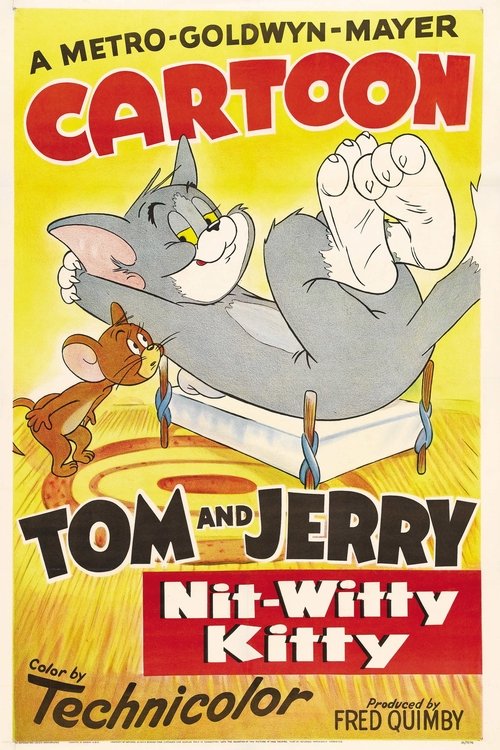
1951
No reviews yet. Be the first to share your thoughts on this movie!
Use the rating form above to leave a star rating and optional review.