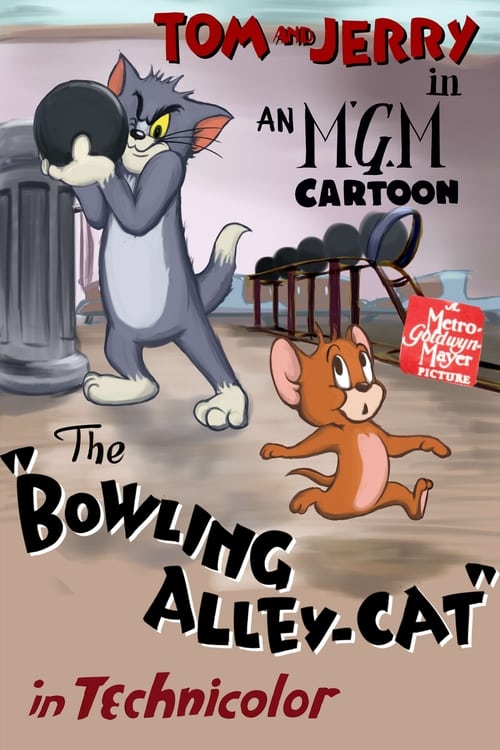
The Bowling Alley-Cat
1942
No user ratings available yet
Representation score: 0.1 out of 10
Representation Score
Limited
1945
NRDirector
Joseph Barbera, William Hanna
Runtime
7 minutes
Average Rating
No ratings yetNew Showbiz Analysis
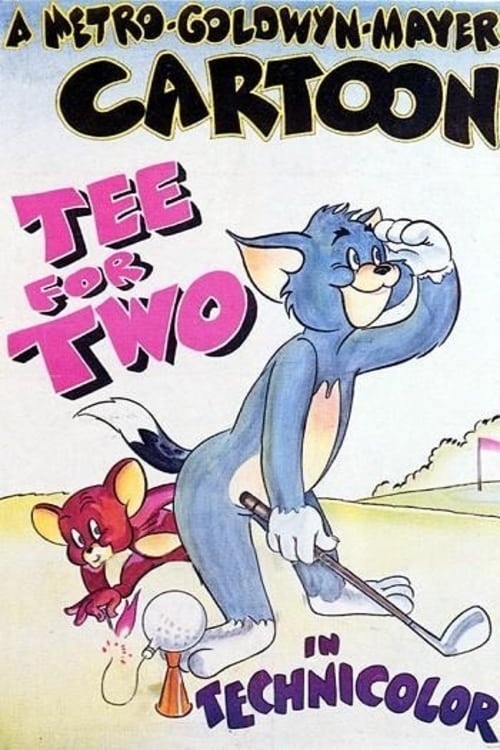
Tee for Two is a quintessential mid-century slapstick short that prioritizes physical comedy over social complexity. The narrative is built around a singular, competitive framework between two animal protagonists, leaving no room for demographic variety or overlapping identities. The work operates within a vacuum of human social context, reinforcing traditional Western leisure norms through its golfing setting. It lacks any intentionality to disrupt cultural expectations or address systemic social structures. Ultimately, the film serves as a benign, escapist vignette. It relies on established character archetypes and genre clichés rather than providing any meaningful representation of diverse identities.
Category Breakdown
The short focuses entirely on the conflict between Tom and Jerry. There are no depictions of non-straight relationships or same-sex intimacy.
The protagonists are anthropomorphic animals, which limits depth regarding gender roles. The narrative relies on physical dominance rather than challenging traditional hierarchies.
The setting is a homogeneous golf course reflecting traditional Western leisure norms. There is no evidence of racial blending or ethnic metaphor.
The film depicts traditional Western leisure and individualistic competition. It functions as an escapist comedy that reinforces 1940s social settings.
Physical mishaps and slapstick injuries are used as comedic devices. These moments serve the rhythm of the gag rather than exploring meaningful disability.
Present on Screen
Limited or Absent
Official Synopsis
Tom is golfing, but having no success. Jerry insures that remains the case.
1942
1944

1945
1952
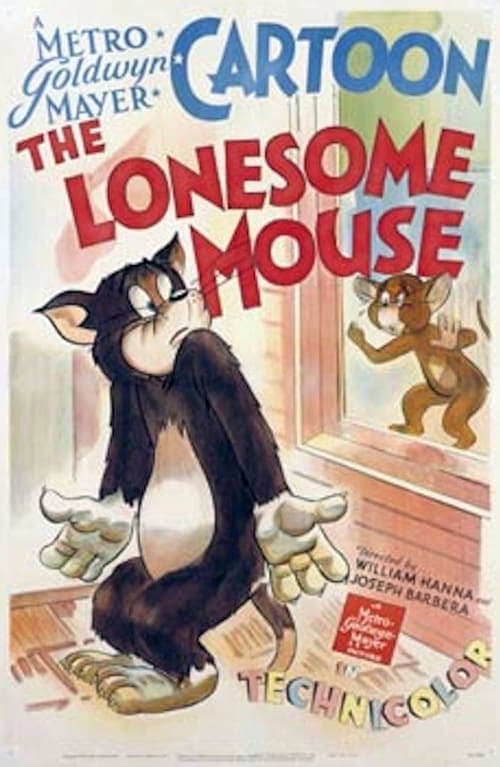
1943
1954
1953
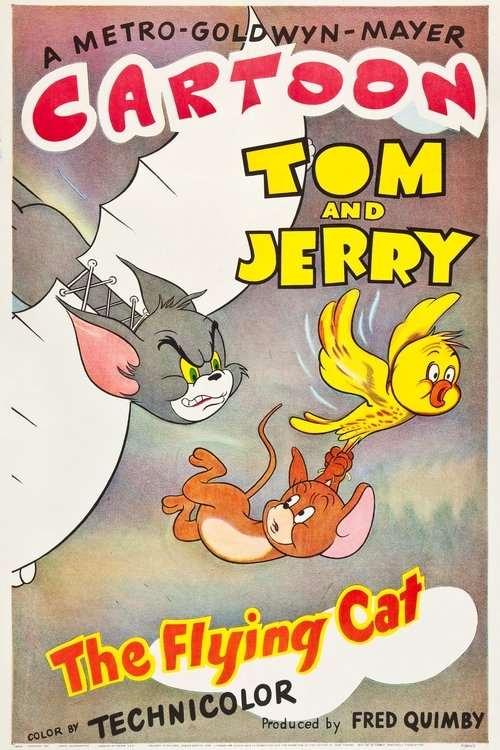
1952
No reviews yet. Be the first to share your thoughts on this movie!
Use the rating form above to leave a star rating and optional review.