
Puppy Tale
1954
No user ratings available yet
Representation score: 1.1 out of 10
Representation Score
Limited
1955
NRDirector
William Hanna, Joseph Barbera
Runtime
7 minutes
Average Rating
No ratings yetNew Showbiz Analysis
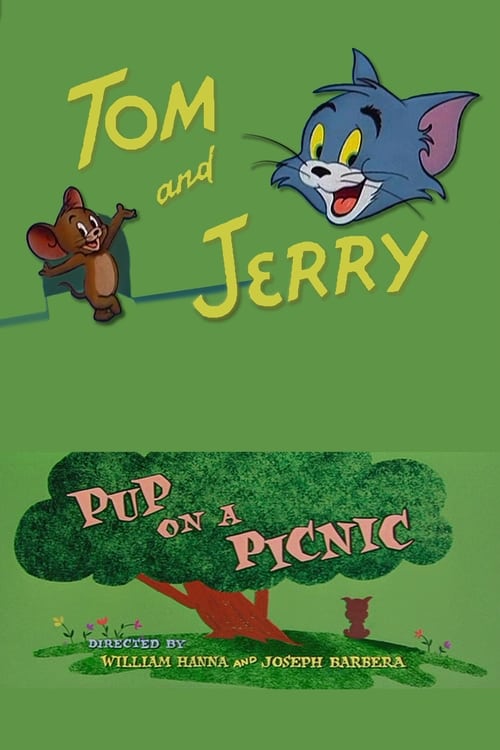
Pup on a Picnic is a classic mid-century slapstick short that prioritizes physical comedy over social commentary. The narrative revolves around animal archetypes, which sidesteps human social structures entirely. Since the characters are animals, the film avoids traditional discussions of race, gender, and identity. The conflict arises from disrupting a standard domestic ritual, rather than exploring systemic power dynamics. Ultimately, the film serves as a rhythmic exercise in chaos and slapstick humor, without engaging with diverse human experiences.
Category Breakdown
The film centers on a predator-prey relationship between anthropomorphic animals. It does not depict any LGBTQ+ identities or same-sex intimacy.
The story revolves around a father-son relationship between Spike and his son. However, these roles are defined by species-based instincts rather than human gender roles.
The setting is a backyard populated by animals. Since there are no human characters, the film avoids racial stereotypes and diverse ethnic perspectives.
The picnic scene represents mid-century domestic life and leisure. The film upholds conventional social rituals without exploring diverse cultural themes.
Characters experience frequent physical injuries for comedic effect. These injuries are temporary and used for slapstick humor, not to explore disability or neurodivergence.
Present on Screen
Limited or Absent
Official Synopsis
Spike is taking his son on a picnic. Jerry keeps hiding in the basket, so Tom keeps disrupting the picnic while chasing him.
1954
1954
1954
1956
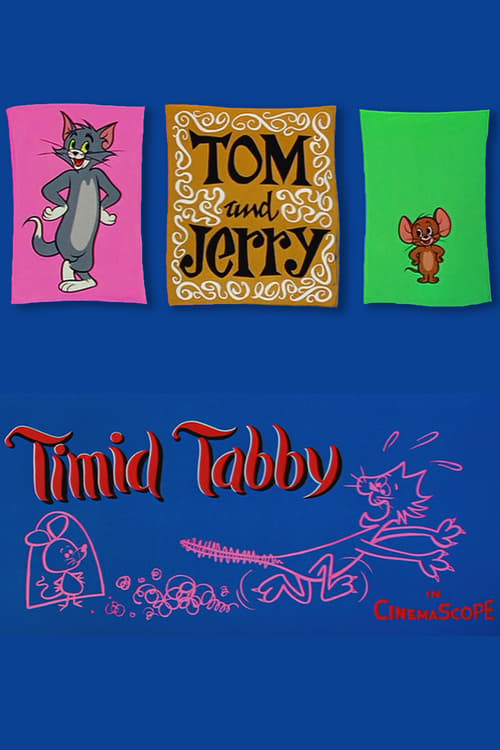
1957
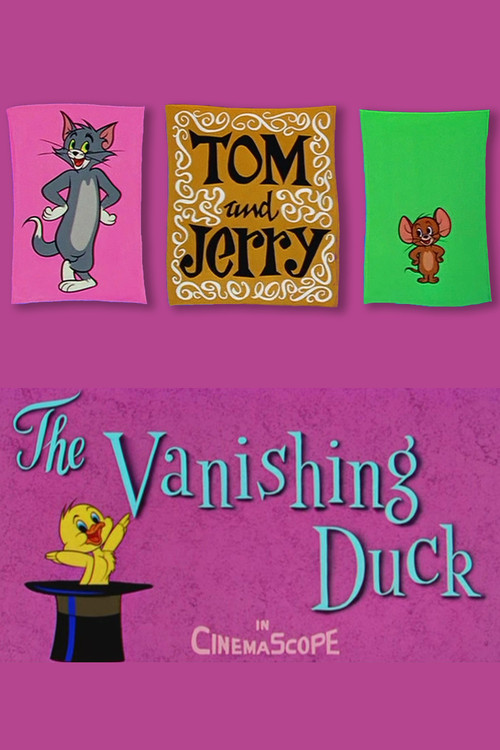
1958

1944
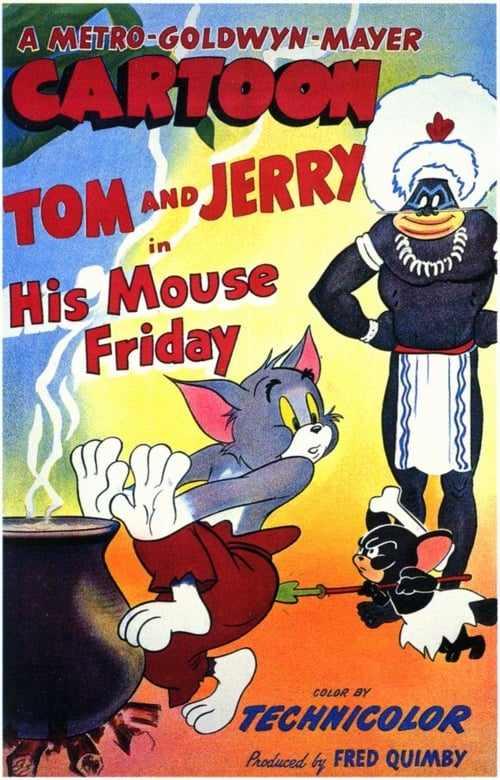
1951
No reviews yet. Be the first to share your thoughts on this movie!
Use the rating form above to leave a star rating and optional review.