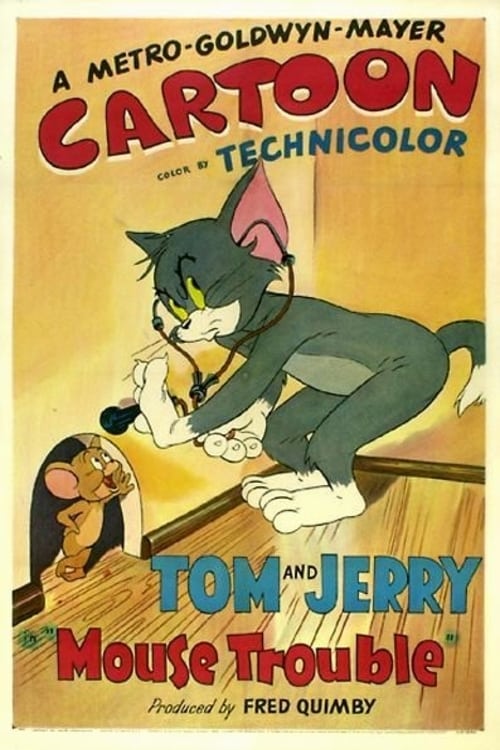
Mouse Trouble
1944
No user ratings available yet
Representation score: 1.6 out of 10
Representation Score
Minimal
1954
NRDirector
William Hanna, Joseph Barbera
Runtime
6 minutes
Average Rating
No ratings yetNew Showbiz Analysis
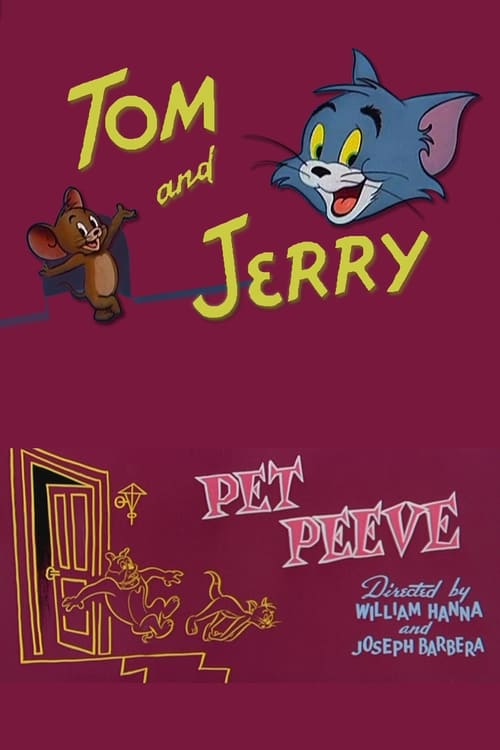
Pet Peeve is a character-driven slapstick comedy that relies on conventional comedic formulas. The film operates within the traditional constraints of mid-century animation, focusing on the dynamic interactions between Tom, Jerry, and Spike. The narrative structure adheres to conventional straight and capitalist frameworks typical of the 1950s. The conflict is driven by economic needs and domestic stability rather than any attempt to challenge social norms. Ultimately, the film reinforces established power dynamics and mid-century social structures, offering limited diverse or inclusive storytelling.
Category Breakdown
The story focuses on a domestic conflict between animal characters and their owners. There is no indication of non-straight or non-cisgender identities or same-sex relationships.
The story centers on a competitive struggle for survival and domestic status. Women do not play prominent roles or have significant intellectual influence in this context.
This anthropomorphic comedy features animal characters in a traditional mid-century domestic setting. There is no evidence of diverse casting or multicultural integration.
The plot aligns with traditional Western values and capitalist frameworks of resource management. It follows the social norms of 1950s America.
There is no mention of characters with visible or invisible disabilities. No assessment can be made regarding neurodivergence or physical impairment.
Present on Screen
Limited or Absent
Official Synopsis
The couple that owns Tom and Spike decides they can't afford to keep both. They agree that the first one to catch the mouse can stay - bad news for Jerry.
1944
1951
1950

1945
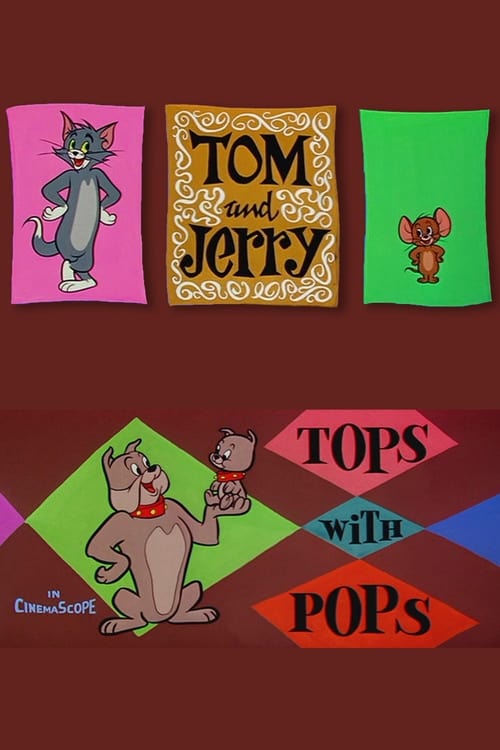
1957
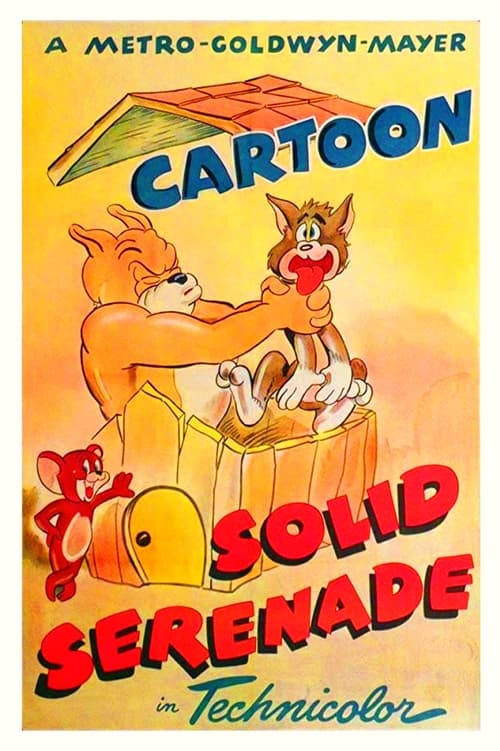
1946
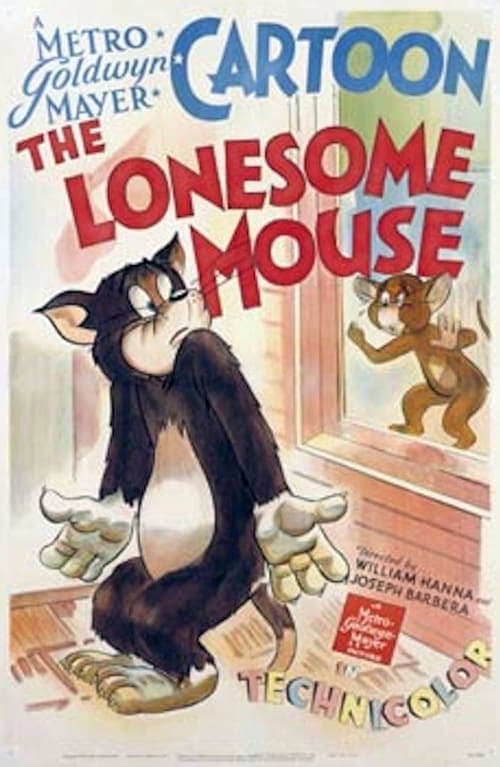
1943
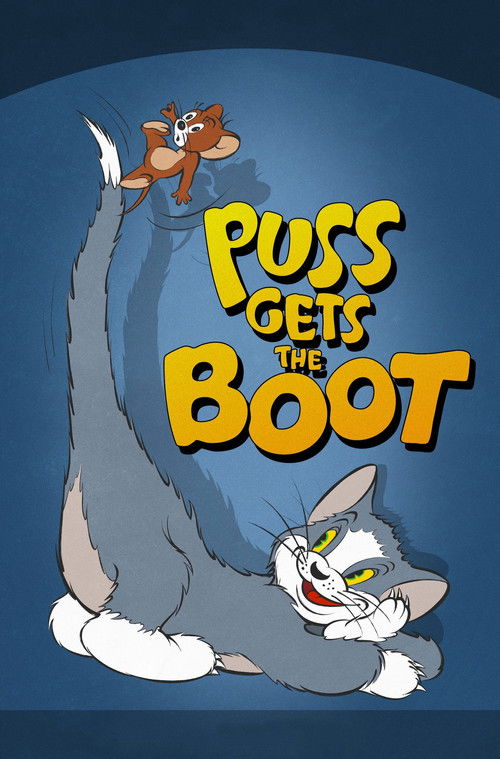
1940
No reviews yet. Be the first to share your thoughts on this movie!
Use the rating form above to leave a star rating and optional review.