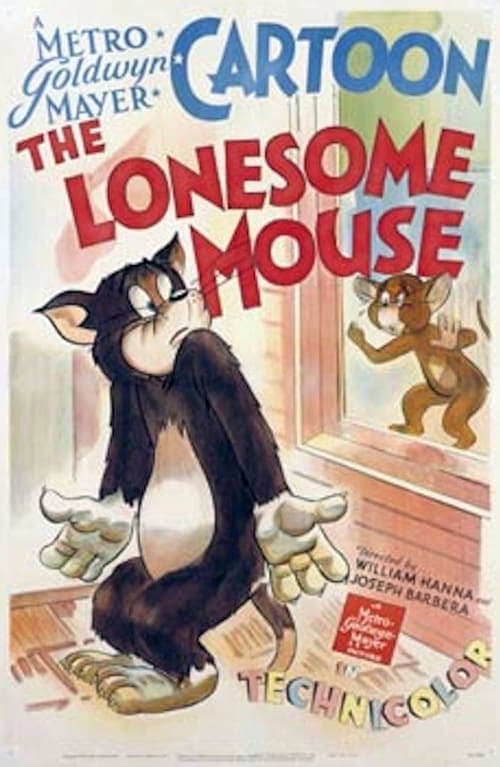
The Lonesome Mouse
1943
No user ratings available yet
Representation score: 0.3 out of 10
Representation Score
Minimal
1950
NRDirector
William Hanna, Joseph Barbera
Runtime
7 minutes
Average Rating
No ratings yetNew Showbiz Analysis
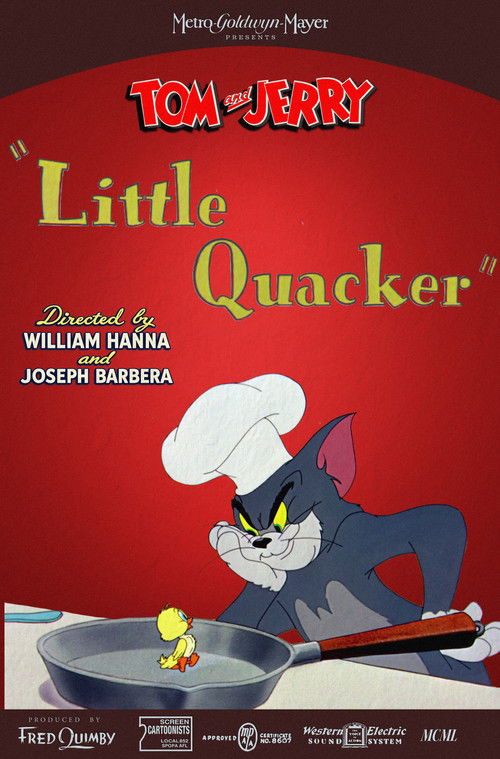
Little Quacker is a classic product of its time, focusing on slapstick humor and established character archetypes. The narrative relies on a simple predator-versus-prey dynamic that avoids any meaningful engagement with identity or social structures. While the film demonstrates high technical proficiency in animation, it adheres to non-subversive clichés common in mid-century animation. It exists in a vacuum that lacks multi-layered themes or intentional narrative subversion. Ultimately, the work reinforces traditional hierarchies of strength and vulnerability. It does not disrupt conventional social expectations, staying true to the homogeneous standards of 1950s animation.
Category Breakdown
The film does not depict any non-binary gender identities or same-sex relationships. Characters are shown within a typical biological framework of predator and prey.
Traditional gender roles are used throughout the film. The duckling is portrayed as vulnerable and cute, while the predators are shown as aggressive and dominant.
The film features an anthropomorphic cast set in a non-specific cartoon landscape. There is no racial or ethnic diversity, adhering to the homogeneous design standards of 1950s animation.
The narrative operates on a primal, instinctual level without engaging with Western institutions, religion, or capitalism. It does not challenge or subvert these elements.
There is no intentional representation of neurodivergence or physical disabilities. Slapstick violence is used as a comedic device without addressing lived experiences.
Present on Screen
Limited or Absent
Official Synopsis
Tom steals an egg from a mother duck's nest, but soon the resultant hatchling runs away from the cat and into a mouse hole, where it finds an able protector in Jerry.
1943
1944
1952

1945
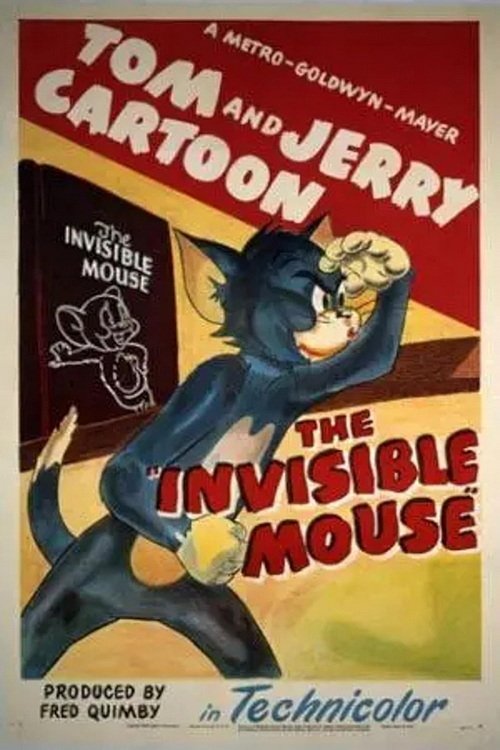
1947
1954
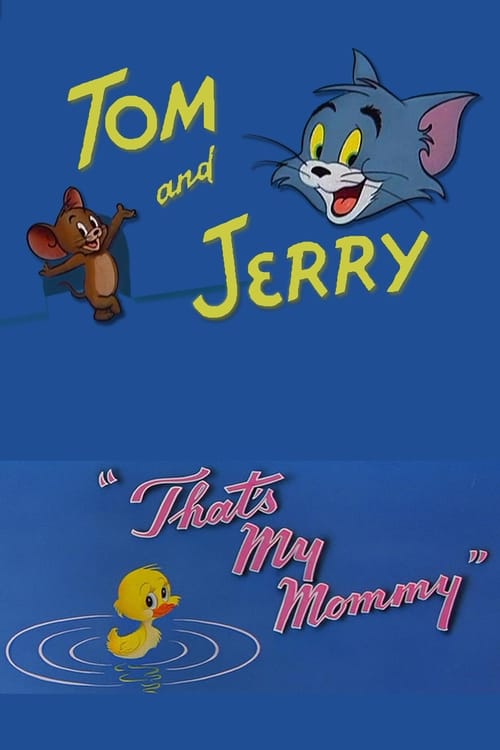
1955
1957
No reviews yet. Be the first to share your thoughts on this movie!
Use the rating form above to leave a star rating and optional review.