
The Mouse Comes to Dinner
1945
No user ratings available yet
Representation score: 0.3 out of 10
Representation Score
Minimal
1944
NRDirector
William Hanna, Joseph Barbera
Runtime
7 minutes
Average Rating
No ratings yetNew Showbiz Analysis
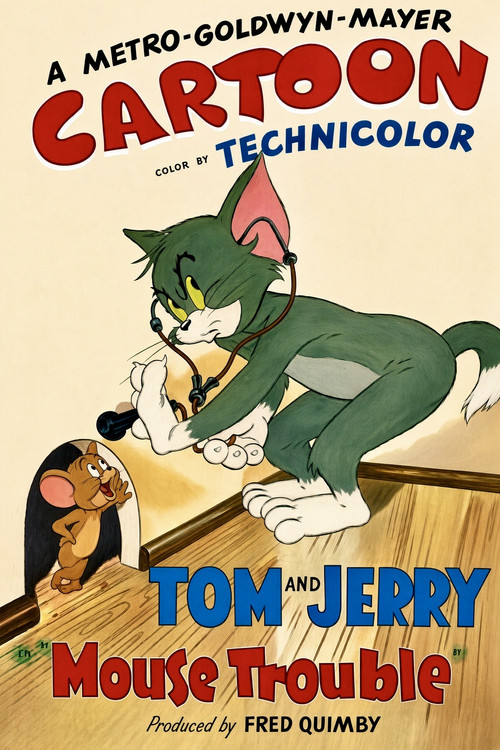
Mouse Trouble is a classic example of mid-century slapstick animation centered on the kinetic energy of the predator-prey cycle. The narrative relies on the subversion of instructional authority through physical conflict rather than social commentary. Since the characters are anthropomorphic animals, the film operates in a vacuum regarding human social hierarchies. It lacks the complexity needed for multi-layered representation or the disruption of traditional social norms. The low diversity score reflects a reliance on a closed, traditional domestic setting and a lack of progressive intentionality in its character archetypes.
Category Breakdown
The film focuses entirely on the predatory-prey dynamic between two animals. There is no indication of non-straight or non-cisgender identities or same-sex relationships.
Traditional gender roles are mostly absent since the main characters are non-human animals. The power dynamic is based on physical strength rather than gendered social structures.
The domestic setting features anthropomorphic animals with no explicit racial or ethnic casting. The narrative does not address identity-based diversity.
The story upholds a simple domestic order without challenging Western institutions or religious structures. It maintains a conventional, non-subversive comedic structure.
There is no intentional depiction of neurodivergence or physical disabilities. Slapstick humor serves as a temporary comedic device rather than a representation of lived experience.
Present on Screen
Limited or Absent
Official Synopsis
Tom's new book on "how to catch a mouse" doesn't prove too helpful against Jerry; actually, Jerry seems to make better use of it than Tom.
1945
1943
1947
1954
1950

1948
1945
1954
No reviews yet. Be the first to share your thoughts on this movie!
Use the rating form above to leave a star rating and optional review.