Bad Girls Go to Hell
1965
No user ratings available yet
Representation score: 2.8 out of 10
Representation Score
Minimal
1966
NRDirector
David Lowell Rich
Runtime
100 minutes
Average Rating
No ratings yetNew Showbiz Analysis
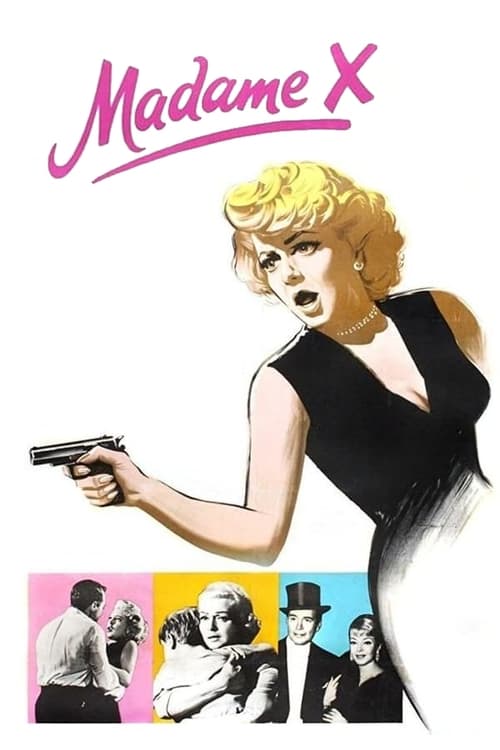
Madame X is a traditional mid-century melodrama that emphasizes moral clarity and social stability. The narrative centers around the 'fallen woman' cliché, where the protagonist's actions are judged against strict 19th-century social norms. The film lacks depth in exploring diverse identities, focusing instead on a traditionalist perspective. It reinforces existing power structures rather than challenging them, as the protagonist's journey is defined by her efforts to uphold her family's honor. Overall, the film serves as a cautionary tale, upholding the sanctity of the family unit and adhering to the conventional gender and sexual norms of its time.
Category Breakdown
The film focuses solely on heterosexual relationships and does not include any LGBTQ+ identities or subtexts.
Despite featuring a strong female lead, her role is largely reactive and shaped by patriarchal structures. Her actions are driven by the need to maintain family stability and social reputation.
The cast is primarily composed of white actors, reflecting the 19th-century French setting. There is no significant representation of racial minorities.
The story emphasizes traditional Western social hierarchies and the sanctity of the bourgeois family. The protagonist's struggles are framed as personal moral failures rather than critiques of societal structures.
No disabilities are shown in the film. Characters are depicted using typical physical and mental archetypes found in melodramas.
Present on Screen
Limited or Absent
Official Synopsis
Holly Parker, the wife of a wealthy diplomat, is compromised by the accidental death of a man who has been romantically pursuing her. She is forced by her mother-in-law to assume a new identity in order to save the reputation of her husband and infant son. She wanders the world, trying to forget her heartbreak with the aid of alcohol and unsavory men. Eventually returning to the city of her downfall, she murders a blackmailer who threatens to expose her past. Amazingly, Holly is represented at her murder trial by her now adult son, who has become a public defender. In the hope of protecting her family, she refuses to reveal her real name and is known to the court as "Madame X".
1965
1958
1949
1949
1966
1964

1991
1964
No reviews yet. Be the first to share your thoughts on this movie!
Use the rating form above to leave a star rating and optional review.