
Women's Prison
1958
No user ratings available yet
Representation score: 5.6 out of 10

Representation Score
Fair
1991
Director
Julián Pastor
Runtime
90 minutes
Average Rating
No ratings yetNew Showbiz Analysis
Mujer de cabaret is a traditional crime drama centered on a female protagonist's fight for exoneration. While Alicia demonstrates a strong role in seeking justice, the narrative often relies on clichés of female suffering and victimization. The film lacks significant depth in representing multiple aspects of identity. It focuses on localized social structures and traditional romantic relationships, offering little representation of LGBTQ+ identities or racial diversity. Ultimately, the film operates within a conventional genre framework, emphasizing a character study of resilience without significant social or cultural subversion.
Category Breakdown
The story revolves around traditional heterosexual relationships and conflicts. There is no depiction of LGBTQ+ identities or critiques of traditional gender norms.
Alicia is a strong female lead who fights for justice and professional autonomy. However, the plot includes clichés of female victimization, such as beatings and humiliation.
The story focuses on a culturally homogeneous social stratum. There is no indication of racial diversity or blended casting.
The film critiques social hierarchies through the portrayal of a predatory cabaret owner. However, it adheres to a conventional crime-drama framework without explicit institutional critique.
The film does not depict any characters with physical or neurodivergent disabilities.
Present on Screen
Limited or Absent
Official Synopsis
Alicia Conde is famous and successful cabaret singer is going to marry Octavio and quit her career. But this Octavio turns to be a gambler and in a few months he loses all family's fortune. Alicia decided to come back to that cabaret and sing again. The cabaret owner Don Lalo wants her to be his love and his girlfriend Elena finds out about it. She kills him and makes people and police think that Alicia is guilty for this murder. Being imprisoned Alicia must find a prove that she's innocent. And the only prove is a VHS with the record of that murder which was stolen from Elena by her ex-lover. Alicia goes through beatings, humiliation, takes drugs and finally faces with Elena and her ex-lover to get the prove of her innocence...
1958

1958

1951

1964

1995

1984
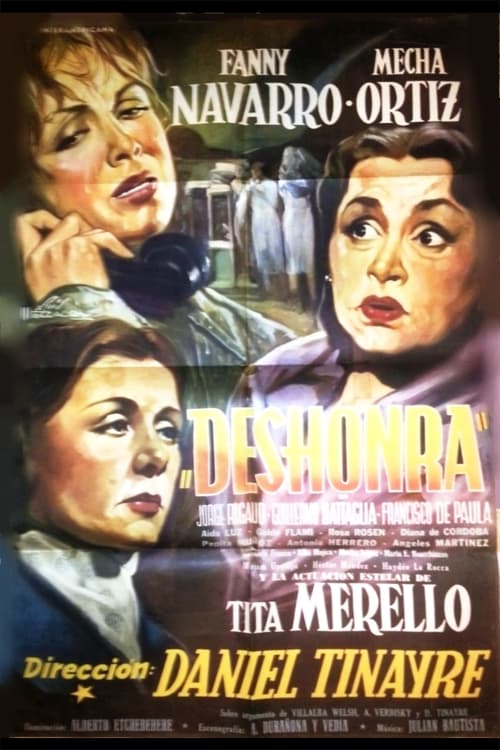
1952

1951
No reviews yet. Be the first to share your thoughts on this movie!
Use the rating form above to leave a star rating and optional review.