Love Is My Profession
1958
No user ratings available yet
Representation score: 1.9 out of 10
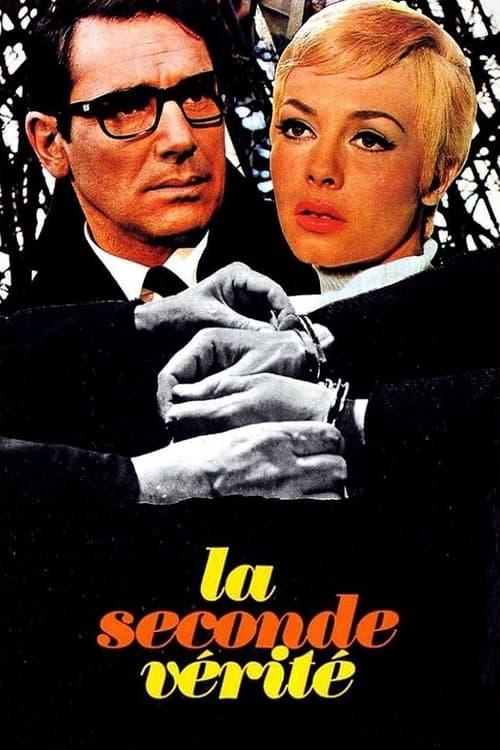
Representation Score
Minimal
1966
Director
Christian-Jaque
Runtime
90 minutes
Average Rating
No ratings yetNew Showbiz Analysis
The film operates as a conventional mid-century melodrama, adhering to the social hierarchies and cinematic norms of 1966. It centers on individual moral failings and romantic infidelity rather than broader systemic critiques or perspectives that consider multiple aspects of identity. While the female protagonist shows individual ambition through her academic pursuits, the central conflict revolves around the male lead's domestic and legal struggles. The narrative structure relies on traditional formulas that reinforce established cultural expectations. Overall, the production lacks significant diversity, presenting a homogeneous cast and a story that avoids challenging Western institutional or familial structures.
Category Breakdown
The film focuses on a heterosexual love triangle and does not include non-cisgender identities or stories that question the assumption that everyone is straight. It follows typical marital conflict storylines.
The female lead shows ambition by pursuing medical school, but women mainly act as catalysts for the male protagonist's crisis. This reinforces traditional gender roles within a melodramatic storyline.
The cast appears uniform, reflecting the typical casting practices of 1966 French cinema. There is no indication of non-white majority casts or diverse ethnic representation.
The story uses the breakdown of the nuclear family as a source of personal drama. It does not challenge Western institutions or promote secularism as a main theme.
The narrative does not mention characters with visible or invisible disabilities. There is no representation of disabilities in the film.
Present on Screen
Limited or Absent
Official Synopsis
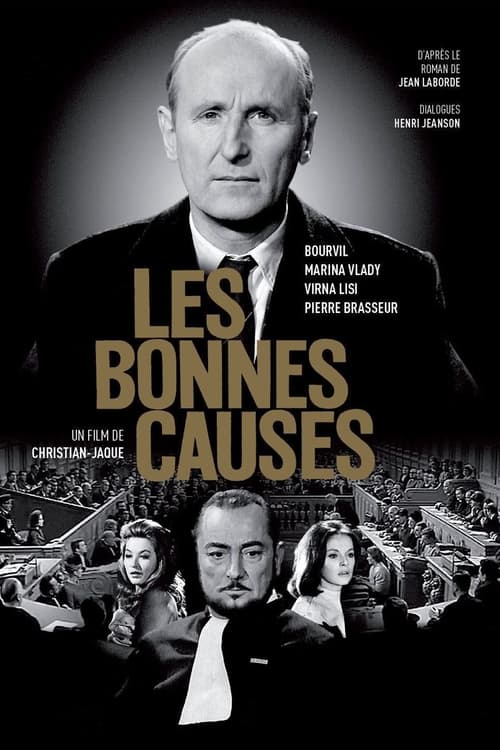
Middle-aged attorney Pierre falls for a young woman who dances in a discotheque to work her way through medical school. The lovestruck lawyer can't bring himself to leave his wife over the young woman. When the dancer's wealthy suitor is murdered, Pierre is accused of the crime.
1958
1960

1957
1947
1963
1969
1957
1957
No reviews yet. Be the first to share your thoughts on this movie!
Use the rating form above to leave a star rating and optional review.